

M23 Rebels Withdraw from Key Eastern DRC Towns Under US Ceasefire Pressure
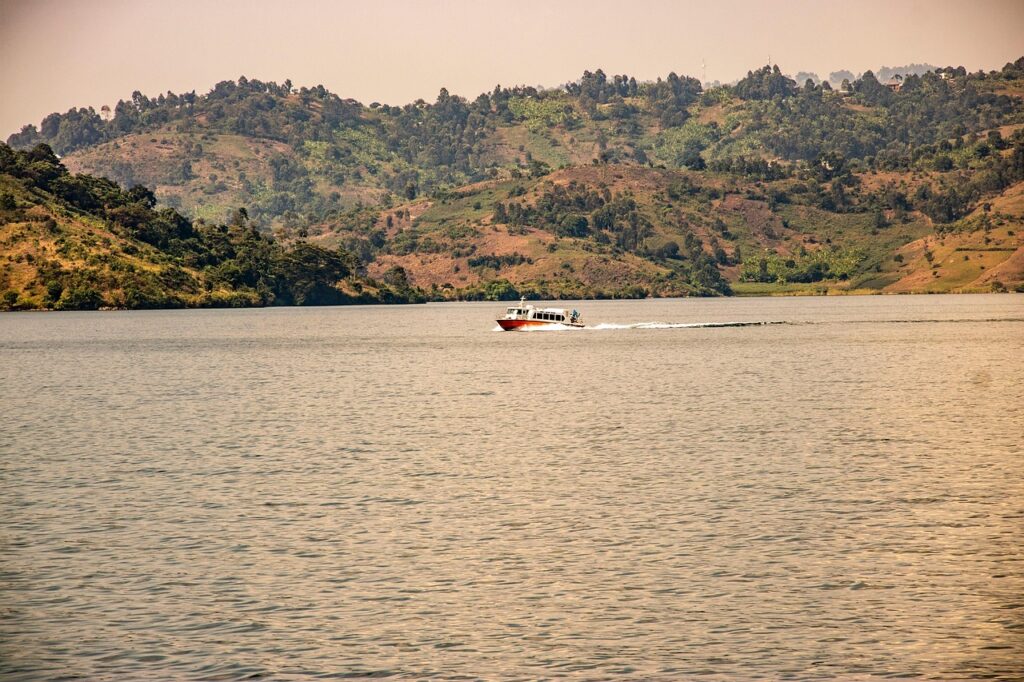
Fighters from the Rwanda-backed M23 armed group withdrew from several towns in the eastern Democratic Republic of Congo on May 12, according to the group itself, local officials, and military sources who spoke to AFP. The pullback from areas north of the city of Uvira in South Kivu Province marks a significant — if fragile — shift in a conflict that has displaced hundreds of thousands and continues to destabilise one of Africa’s most resource-rich and chronically unstable regions.
The Towns That Were Cleared
The most significant locality returned to government control was Sange, a major crossroads town lying 30 kilometres north of Uvira and close to the border with Burundi. Senior local official Paul Fikiri Mudeda confirmed to AFP that M23 has withdrawn from Sange. The army’s regional spokesperson, Lieutenant Reagan Mbuyi, said the rebels also pulled back from Kabunambo, Mutarule, and Bwegera.
Pro-government militia fighters known locally as wazalendo moved into Sange within hours of the M23 departure. Residents described scenes of jubilation. Young people, women, children — even school kids — are all celebrating right now, one inhabitant told AFP.
Notably, M23 continued to control Kamanyola, a town 70 kilometres further north where the borders of the DRC, Rwanda, and Burundi converge. An M23 source, speaking on condition of anonymity, said the group was returning to the positions we held before taking Uvira — implying the withdrawal was tactical rather than a wholesale commitment to peace. Kamanyola, the source said, was not included in the withdrawal.
A Conflict With Endless Layers
The eastern DRC has been a theatre of organised violence for more than three decades, with dozens of armed groups competing for control of mines that produce the minerals powering the world’s smartphones and electric vehicles. M23 emerged as the most formidable of these groups after 2021, seizing large swaths of Ituri and North Kivu provinces.
The group’s southward expansion into South Kivu, including the capture of Uvira in December 2025, represented a significant strategic escalation. Uvira sits at the southern end of Lake Tanganyika, and its fall to M23 brought the rebels into proximity with Tanzania for the first time, alarming regional governments.
The offensive was launched as DRC and Rwandan officials were ratifying a peace agreement mediated by the United States — a deal that the M23 advance appeared designed to undermine. Washington responded with pressure that forced a temporary M23 retreat in January 2026.
What’s Really at Stake
The pattern of advance, ceasefire pressure, tactical withdrawal, and reconsolidation has become the rhythm of the DRC conflict. M23 rarely surrenders territory permanently. Instead, it uses ceasefire periods to regroup, resupply, and reposition.
Rwanda’s role remains the central ambiguity. Kigali has repeatedly denied sponsoring M23, but evidence compiled by United Nations experts, the DRC government, and multiple independent investigators points to substantial Rwandan military support — troops, equipment, and command-and-control integration — without which M23 could not operate at its current scale.
For Congolese civilians in the affected areas, the withdrawal from Sange may offer temporary relief. But the underlying drivers of the conflict — Rwanda’s appetite for Congolese minerals, the weakness of the Congolese state, the collapse of previous peace agreements, and the complete absence of a credible political horizon — remain firmly in place.