London Wants African Growth Stories. Africa Is Learning to Price Its Own Risk.
The FT Africa Summit opens in London on 21 October with presidents, finance ministers and the continent’s biggest industrialists selling a growth story to global capital. Two weeks after Africa launched its own credit rating agency, the more interesting question is no longer what the room thinks of Africa — it is who gets to set the price of African risk.
Analysis — Now in Africa Staff, 19 October 2026
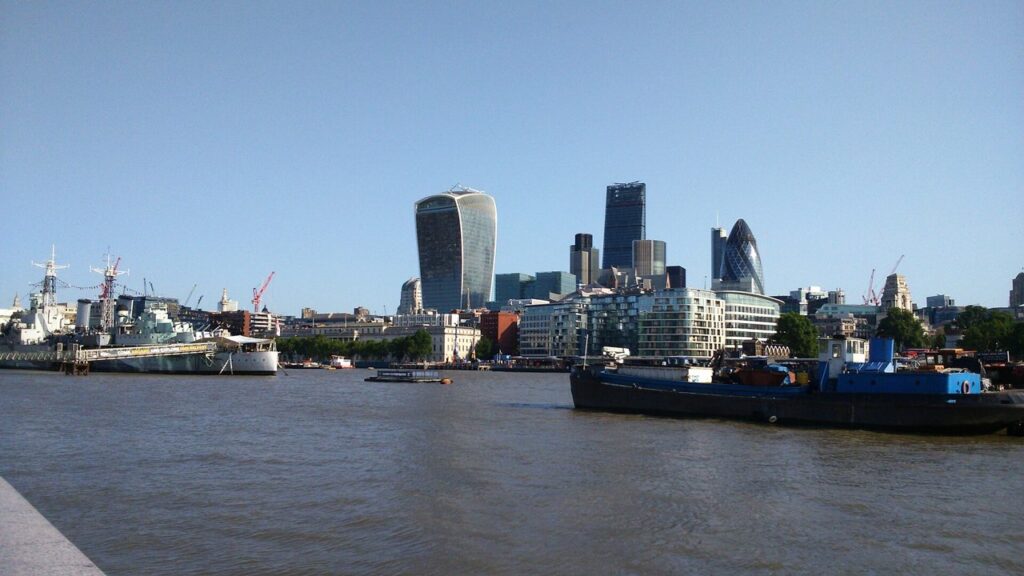
For its 13th edition, the Financial Times Africa Summit returns to The Landmark hotel in London on 21–22 October, under the theme “Mobilising Growth in a New Global Order”. The staging is familiar: African heads of state and ministers on one side of the podium, the investors, lenders and fund managers who price their debt on the other.

The cast underlines the format. Ghana’s President John Dramani Mahama gives the opening keynote interview. Former Nigerian President Olusegun Obasanjo and former Tanzanian President Jakaya Kikwete attend alongside Aliko Dangote, Mo Ibrahim, Ethiopia’s finance minister Ahmed Shide and Britain’s international development minister. Day one works through the future of finance, domestic capital mobilisation, the next phase of African fintech, financing for small and medium-sized enterprises, gold reserve management and the economics of fast-growing cities. Day two turns to reform, matching capital to risk, trade under rising tariffs, the Red Sea corridor, US policy towards Africa, and deeper ties with the Gulf, China and India.
None of that is unusual. What is different this year is the calendar around the summit — and what it says about who holds the pen when African risk is described.
Two weeks after AfCRA
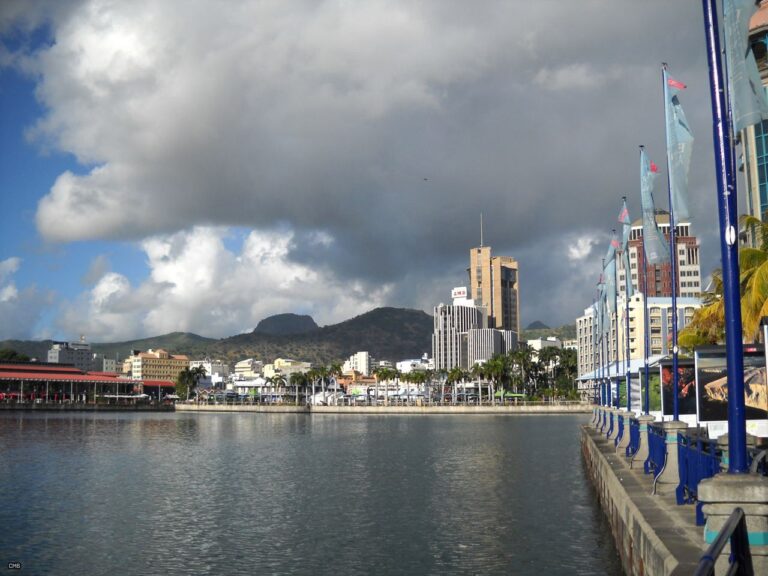
On 7 October, a fortnight before the London doors open, the Africa Credit Rating Agency (AfCRA) was inaugurated in Mauritius: an African Union-mandated, privately structured agency built to rate African sovereigns, companies and public institutions alongside — its founders insist, not instead of — S&P Global, Moody’s and Fitch. Its founding argument is that external ratings embed a “prejudice premium” that costs the continent dearly: UN ECA figures cited at the launch put excess interest payments at an estimated $75 billion a year, while Africa’s annual external debt service has climbed from $61 billion in 2010 to $163 billion in 2024. Twenty-three of the African Union’s 55 member states have no rating from the big three at all.
Read the summit agenda again with that launch in mind, and the sessions line up almost point for point with the AfCRA grievance list. “Mobilising domestic capital” is what a continent does when external capital is priced against it. “Gold reserve management” is what central banks discuss when they want collateral the market cannot downgrade. “Matching capital to investment risk” is, stripped of conference language, the entire argument about whether African risk is measured or imagined.
That is the tension this summit will not name from the stage: London remains the room where the growth story is sold, but the instruments for pricing that story are increasingly being built elsewhere — in Port Louis, in Accra’s new gold board, in the pension funds and regional markets the agenda keeps circling back to.
Ghana walks in with receipts
The choice of opening speaker is not neutral. Mahama arrives in London months after Ghana created the Ghana Gold Board (GoldBod) in 2025 to centralise the purchase and export of gold from small-scale mining — a move designed to capture value and reserves that previously leaked through informal channels. Ghana also knows the other side of the ratings argument intimately: its downgrade cycle preceded a painful debt restructuring, and its officials have been among the loudest critics of how the big agencies handled African sovereigns after 2020.

So the keynote interview is worth watching less for the growth pitch — every delegation brings one — than for whether the pricing question surfaces in public, in London, in front of the people who do the pricing. If it does, the summit stops being a sales event and becomes a negotiation.
What to watch across the two days
Domestic capital, in numbers or in slogans. The test of the “mobilising domestic capital” sessions is specificity: pension fund allocations, local-currency bond depth, listing pipelines. Africa’s pension and insurance pools are routinely described as vast and under-deployed; the summit will show whether 2026 produced mechanisms, not just adjectives.
Gold, the quiet hedge. Gold reserve management rarely headlines a growth summit. Its presence on day one — with Ghana’s GoldBod experiment in the room — signals how seriously treasuries now take assets whose value no rating committee votes on.
SMEs and fintech, the credibility floor. The growth story ultimately rests on whether small firms can borrow and whether payment rails keep cutting the cost of moving money. These sessions are where investor scepticism is usually answered with data rather than vision — or isn’t.
The Gulf, China and India sessions. Day two’s geopolitics panels acknowledge the summit’s own premise: London is one bidder among several now. African delegations no longer travel to a single capital to be financed; they run an auction, and everyone in the room knows it.
The story after the summit
Previews usually end by predicting announcements. The more durable story is structural. A decade ago, an FT Africa Summit was where the continent’s risk premium was, in effect, ratified — set by external agencies, external lenders and external sentiment, then carried home. The 2026 edition convenes two weeks after Africa opened its own rating agency, in a year when gold boards, local-currency markets and domestic pension capital dominate the agenda.
London still wants African growth stories; the room will be full, and the stories will be good ones. But the pricing of those stories is quietly becoming an African industry too. That — not any single speech — is what this summit will be remembered for if the trend holds.