

Liberia: Press Union Summons Emergency Meeting Over Police Allegations
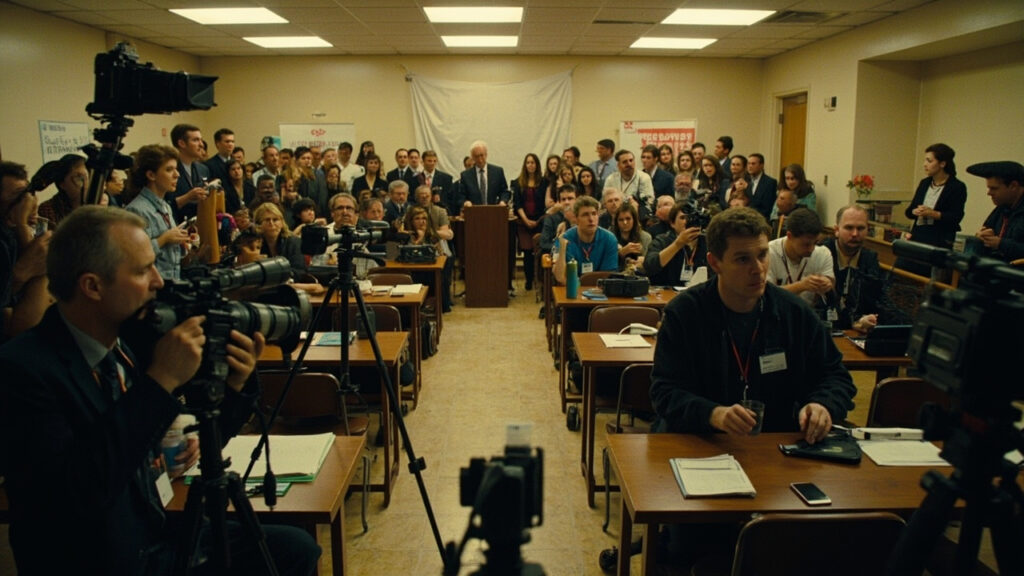
The Press Union of Liberia (PUL) has summoned an emergency gathering of journalists, editors, publishers, broadcasters and media owners following remarks by Inspector General of Police Gregory O.W. Coleman alleging that drug trafficking organisations had infiltrated sections of the Liberian press, according to AllAfrica, citing the Liberian Observer.
The meeting, expected to bring together representatives of professional associations alongside newsroom leaders, comes in response to claims that place the credibility of Liberian journalism under public scrutiny. Inspector General Coleman’s allegations, reported by the Liberian Observer, frame a portion of the country’s media as a conduit for narcotics networks — a charge that, if left unaddressed, carries significant consequences for press credibility and the safety of journalists working in the country.
The Press Union of Liberia is one of West Africa’s oldest professional media organisations, tracing its origins to the mid-1960s, and has long served as the principal collective voice of the country’s news industry. In the years since Liberia’s civil war ended in 2003, the union has played a role in defending press freedom, lobbying for media law reform and representing journalists in disputes with state authorities. Liberia’s press is generally regarded as among the more pluralistic in the region, with a mix of private newspapers, community radio stations and broadcasters operating in the capital Monrovia and beyond.
Emergency meetings of this kind are a traditional PUL instrument when the union perceives a threat to its members or to public trust in the press. The gathering is expected to provide a forum for editors and publishers to weigh the police chief’s allegations, consider a collective response and reaffirm professional standards.
The outcome of the meeting is likely to shape the public debate in the coming days, as Liberia’s media community and law enforcement authorities navigate the boundary between legitimate scrutiny of organised crime and protection of press freedom.
Sources
This report was written from coverage published by the following news organisations. Follow the links for the original reporting.
More From Society & Culture
Nigeria: 101-year-old great-grandmother arrested over cannabis sales

From cardboard to cosplay: inside Nairobi’s growing anime convention scene
