Boakai’s War Crimes Courts: Liberia’s Long-Awaited Reckoning With Its Past
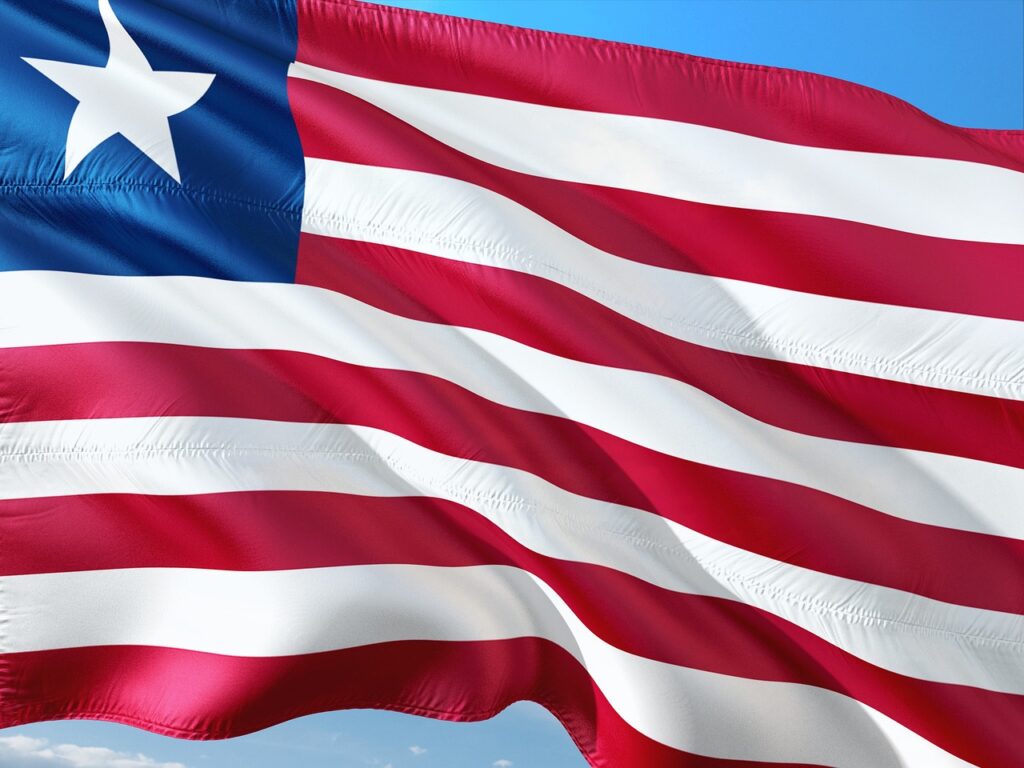
Liberia, the West African nation founded in the 19th century by freed American slaves and often described as Africa’s oldest republic, has spent the better part of two decades avoiding a reckoning with its most traumatic period: the civil wars that killed more than 250,000 people between 1989 and 2003. Now, finally, the government of President Joseph Boakai has submitted legislation to establish dedicated war crimes courts — a move that victims’ groups have been demanding since the guns fell silent over two decades ago.
The bill, filed with the national legislature last week, proposes hybrid courts staffed by a combination of Liberian and international judges, with jurisdiction over the most serious crimes committed during both the Charles Taylor era and the later conflicts that consumed the country. If passed and implemented, it would mark a genuine departure from the pattern of impunity that has defined Liberia’s post-war politics — and a test of whether the country has the institutional will to hold its own accountable.
Why It Took This Long
The first civil war in Liberia lasted from 1989 to 1997 and was fought primarily between forces loyal to Charles Taylor, a former government official who had seized power in a coup, and a loose coalition of rebel groups opposed to his rule. Taylor’s forces and their opponents both committed widespread atrocities, including the systematic use of child soldiers, mass executions, and sexual violence on a scale that shocked even war-hardened observers.
When Taylor was eventually driven from power in 1997, the international community pressed for elections rather than trials, arguing that Liberia was too fragile for a Nuremberg-style reckoning. Taylor won the 1977 election with a reported 75 percent of the vote, a result widely understood as a fear vote — Liberians choosing the devil they knew rather than risking renewed war.
When Taylor finally faced justice, it was at the Special Court for Sierra Leone, a hybrid tribunal established to try those bearing the greatest responsibility for atrocities committed in Sierra Leone’s own civil war — including Taylor himself, who was convicted in 2012 and is currently serving a 50-year sentence in a British prison. Notably, no court ever prosecuted Liberians for crimes committed against Liberians on Liberian soil.
What the Boakai Bill Proposes
The proposed legislation, officially titled the “Act Establishing the Hybrid Court for Liberia,” would create a court with jurisdiction over genocide, war crimes, crimes against humanity, and related offences committed during the period from 1979 to 2003. Crucially, the court would have both a domestic and an international component, with Liberian judges forming the majority of the bench but empowered to receive international prosecutors and investigators. The bill also includes provisions for witness protection, which has been a persistent concern in a country where many potential witnesses still live in communities dominated by former fighters.
The cost is estimated at approximately $120 million over five years — a significant sum for a country that remains heavily dependent on foreign aid.
Who Supports It, Who Opposes It
Victims’ groups, many of which have organised under the banner of the Liberian Reconciliation Initiative, have welcomed the bill as long overdue. “We have been waiting 22 years,” said Esther Kambo, who lost three brothers during the war and now runs a support group for war widows in Bong County. “Every year the politicians promise us justice, and every year they find a reason to delay. We are running out of patience and we are running out of time.”
The opposition, however, is formidable. Several figures who played significant roles during the wars — on multiple sides — remain politically influential. Some sit in the current legislature. Others command loyalty in communities that still see them as protectors rather than perpetrators. Several prominent former fighters’ groups have already threatened to “resist any attempt to reopen old wounds.”
A Fragile Country, A Delicate Moment
Liberia is not a failed state — but it is a fragile one. The Boakai administration, elected in 2023 on an anti-corruption platform, has struggled to deliver on its promises while managing a restive legislature and an economy that remains heavily dependent on rubber exports and foreign assistance. The war crimes court, if it proceeds, will consume enormous political bandwidth and generate powerful enemies.
The alternative, however, may be worse. Impunity has costs that are difficult to measure but real in their consequences. A society that refuses to name what was done to it, and to require those who did it to answer for it, carries those wounds forever. The warlords who profited from Liberia’s misery still walk freely through Monrovia. Some have become politicians, pastors, or community leaders. Until they face consequences, the reconciliation that Liberia professes to be pursuing will remain, at best, a polite fiction.