Kenya Waives Fuel Standards as Iran War Strains Middle East Oil Routes
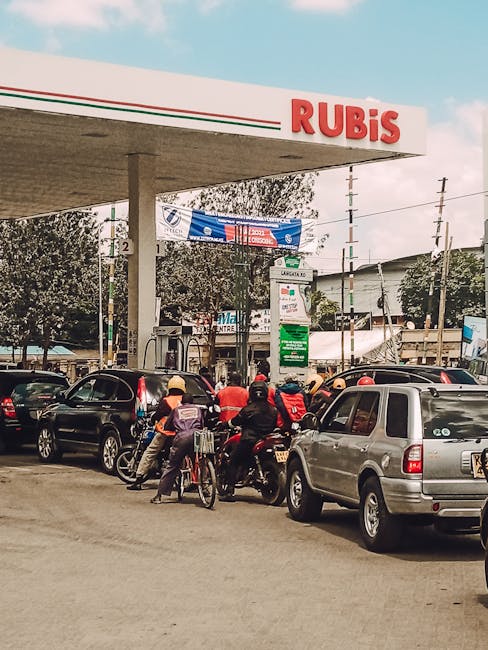
Motorists and businesses in Kenya are facing mounting disruption after the government announced a temporary waiver of fuel quality standards, responding to severe shortages triggered by the war in the Middle East.
The decision, announced by the Ministry of Investments, Trade and Industry, allows fuel retailers to sell higher-sulphur petroleum products for six months, a measure intended to ensure continued fuel availability during what officials describe as a period of “global supply disruption.”
Closure of Strait of Hormuz Sends Shockwaves Through African Markets
The immediate trigger for Kenya’s fuel crisis is the closure of the Strait of Hormuz — the world’s most critical oil shipping lane — following the escalation of conflict in the Middle East. The strait handles roughly 20% of global oil throughput, and its disruption has rippled across international markets, hitting African nations particularly hard given their heavy reliance on imported refined petroleum products.
Kenya imports virtually all of its fuel through Gulf shipping routes. With tanker insurance costs skyrocketing and several major shipping firms rerouting around the Cape of Good Hope, delays of up to three weeks have become routine, creating bottlenecks at Mombasa’s port that have taken weeks to clear.
“The closure of the Strait of Hormuz is strangling the global economy,” United Nations Secretary-General António Guterres warned in a statement. “Supply chains will take months to recover even once hostilities cease.”
What the Waiver Means in Practice
Under the temporary relaxation, Kenya’s energy regulator has authorized the sale of diesel with sulphur content up to 50 milligrams per kilogram — significantly higher than the previous ceiling of 10mg/kg mandated under Kenya’s clean fuels roadmap. The same relaxed parameters apply to gasoline.
Petroleum sector stakeholders had lobbied for the change urgently, warning that thousands of fuel stations faced stockouts within days if alternative supplies could not be secured. Higher-sulphur fuels, typically used in industrial settings, can be sourced more quickly from refineries in regions not directly affected by Gulf shipping disruptions.
The waiver will be reviewed in six months, or earlier if global supply conditions improve, the ministry said. Environmental groups have raised concerns, arguing the waiver undermines Kenya’s progress on clean air standards and could accelerate vehicle emissions damage in urban areas.
Economic Toll on Kenyan Businesses
For ordinary Kenyans, the crisis is being felt most acutely at the pump and on the roads. Fuel prices in Nairobi have risen sharply over the past month, adding to cost-of-living pressures that have already challenged households since the pandemic era.
Taxi and ride-hail drivers in Nairobi report losses of hundreds of shillings per day as they queue at stations or idle in traffic caused by the congestion of vehicles competing for limited fuel. Motorists have been forced to ration their travel, combining multiple errands into single journeys — if they can find fuel at all.
A Broader African Pattern
Kenya is not alone in feeling the squeeze. Across East Africa, several countries that depend on Gulf refinery imports have issued similar warnings or begun exploring emergency fuel sourcing arrangements. Uganda, Tanzania, and Rwanda have all reported increased lead times and higher costs for imported petroleum products.
The crisis has revived debate about Africa’s long-term fuel security and the vulnerability of the continent’s refined petroleum supply chain. Most African nations lack domestic refining capacity sufficient to meet domestic demand, making them structurally exposed to international shipping disruptions of this magnitude.
Some analysts have pointed to the crisis as a renewed argument for accelerating investments in green energy alternatives, while others argue it underscores the need for strategic fuel reserves and greater regional refining capacity. For now, however, Kenya’s temporary waiver signals that policymakers are focused on the immediate emergency — and expecting it to last.
More From Conflict & Security
Sudan’s El-Obeid under intensifying drone strikes as army and RSF clash over key city

Liberia destroys over four tons of cocaine in major anti-trafficking operation