Kenya Presses Britain to Renegotiate Military Training Terms After Laikipia Standoff
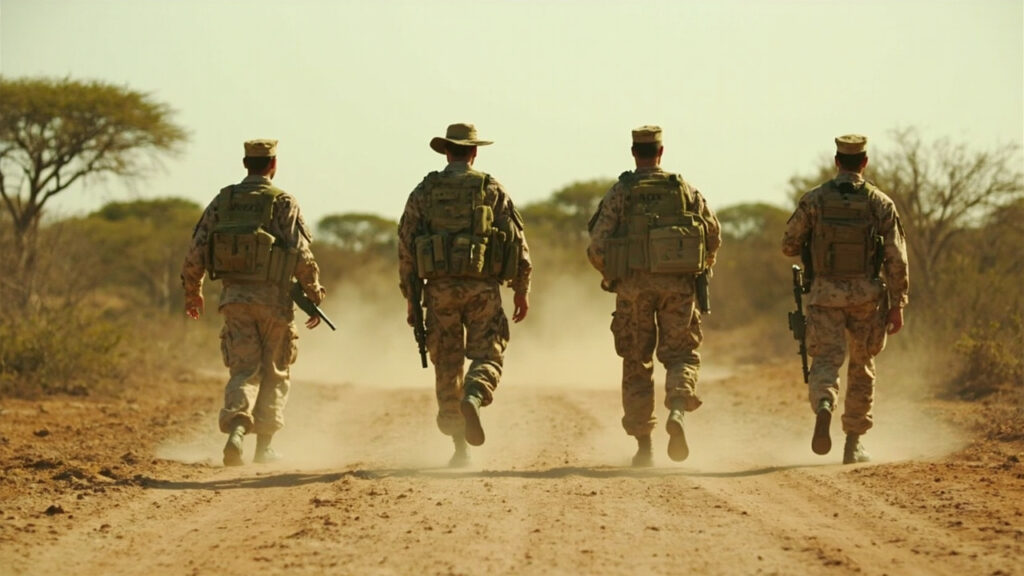
A short diplomatic standoff between Kenya and Britain in July 2026 has exposed a deeper shift in how Nairobi governs the presence of foreign soldiers on its soil, with officials now openly using licensing rules and parliamentary oversight to rewrite the terms of decades-old military cooperation.
According to AllAfrica, citing African Arguments, the crisis unfolded when Britain suspended one of its flagship training exercises after Kenya withheld the licences required for British troops to operate in Laikipia county. Five days later, the two governments announced an agreement allowing Exercise Haraka Storm to go ahead. The immediate confrontation was defused, but the underlying dispute remained unresolved.
A long-standing military relationship

Britain has maintained a continuous military training presence in Kenya since independence, anchored by the British Army Training Unit Kenya, which is based at Nanyuki in Laikipia. The arrangement has long given the British armed forces access to open terrain suited to large-scale exercises, while providing Kenya with training support and infrastructure investment. Over the years, however, questions over the legal status of foreign troops, jurisdictional arrangements when crimes are committed, and the role of Kenyan lawmakers in approving deployments have grown louder in Nairobi.
As AllAfrica reported, the July episode signals that Kenya is no longer simply questioning the terms of Britain’s military presence but is actively using domestic law, licensing requirements and parliamentary scrutiny to press for new conditions. That approach marks a notable evolution from earlier disputes, which tended to focus on individual incidents rather than the framework governing foreign training missions.
The standoff comes against a wider African backdrop in which several host states have revisited status-of-forces agreements with former colonial powers and other partners, reflecting growing parliamentary assertiveness and demands for clearer local accountability. For Kenya, the Laikipia episode suggests that routine renewals of British access are no longer assumed, and that future exercises may increasingly depend on Nairobi’s willingness to grant licences on terms it has itself drafted.
Sources
This report was written from coverage published by the following news organisations. Follow the links for the original reporting.