
Kampala, Ugandas bustling capital city of more than three million people, is facing an unprecedented test of its infrastructure resilience. For the next three weeks, the city and several outlying districts will experience scheduled and unscheduled electricity disruptions as state utility Umeme carries out critical maintenance on the national power grid.
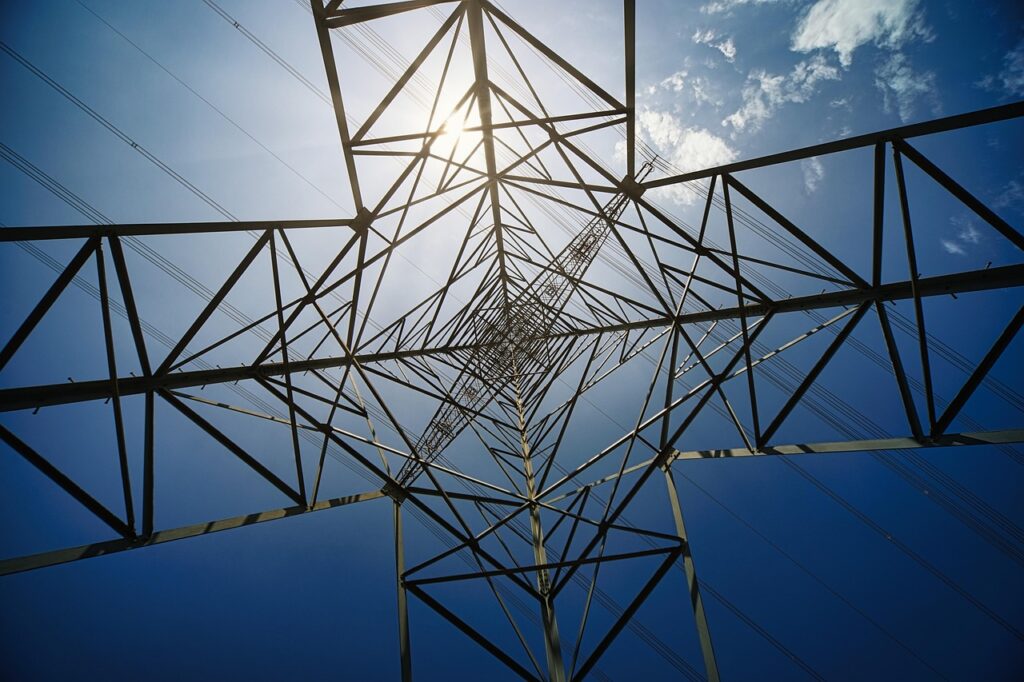
The maintenance programme involves the replacement of aging transformers at several substations, the repair of high-voltage transmission lines connecting the Owen Falls Dam to the capitals distribution network, and the installation of new circuit breakers intended to reduce the frequency of faults that have plagued the network for years. Ugandas electricity sector has long struggled with underinvestment, and while the country boasts significant hydroelectric potential — anchored by the 300-megawatt Owen Falls Dam — the distribution infrastructure has failed to keep pace with rapid urbanisation and a growing industrial base.
For ordinary Kampala residents, the three-week disruption is more than an inconvenience. In neighborhoods like Nateete, Bweyogerere, and parts of Makindye, many families depend on electricity for cooking, refrigeration, and running small businesses from home. Community leaders in these areas are calling on Umeme to provide clearer communication about exactly when and where outages will occur.
The timing of the maintenance could not be much worse. Uganda is in the grip of a dry season that has seen hydroelectric output constrained by reduced water levels in Lake Victoria, forcing the state to draw more heavily on thermal backup generation — an expensive and environmentally damaging stopgap that drives up electricity tariffs for end consumers. The Private Sector Foundation Uganda has called for an emergency meeting with the Ministry of Energy and Mineral Development, urging the government to explore mobile generation options for critical industrial zones.
Beyond the immediate disruptions, the Kampala power crisis is reigniting a broader debate about Ugandas energy future. Experts argue that Uganda needs to accelerate its diversification into solar and geothermal sources, tapping into the significant potential identified in the Rwenzori Mountains and the Karamoja region. For now, the three weeks stretching ahead look set to test the patience and pockets of everyone who depends on a reliable flow of electricity in one of East Africas most dynamic cities.