Japan Backs Nigeria’s Rice Push with $3.5m Seed Production Grant
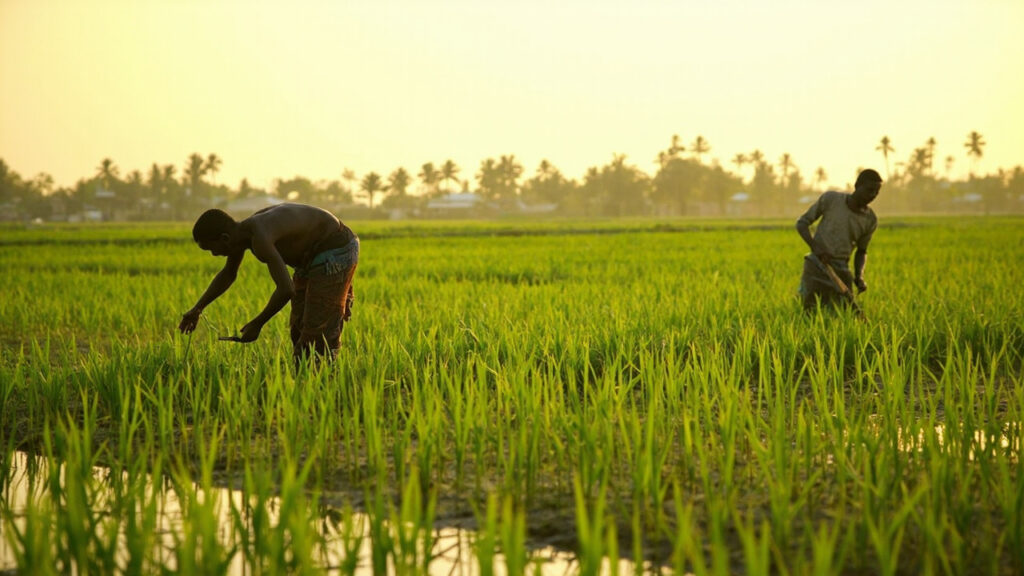
Japan has committed $3.5 million to support rice seed production in Nigeria, the latest in a long line of development partnerships between the two countries, according to The Guardian Nigeria News. The grant is aimed at strengthening the domestic rice value chain, an area that successive Nigerian governments have identified as central to reducing the country’s reliance on imported grain.
Rice is one of the most widely consumed staples in Nigeria, with demand driven by a population that exceeds 200 million. Despite vast areas of arable land and a long history of cultivation, domestic output has historically fallen well short of consumption, leaving the country heavily dependent on imports from Asia and other regional suppliers. Closing that gap has been a stated policy priority in Abuja for more than a decade, with successive administrations promoting programmes designed to support local millers and smallholder farmers.
Long-running agricultural cooperation
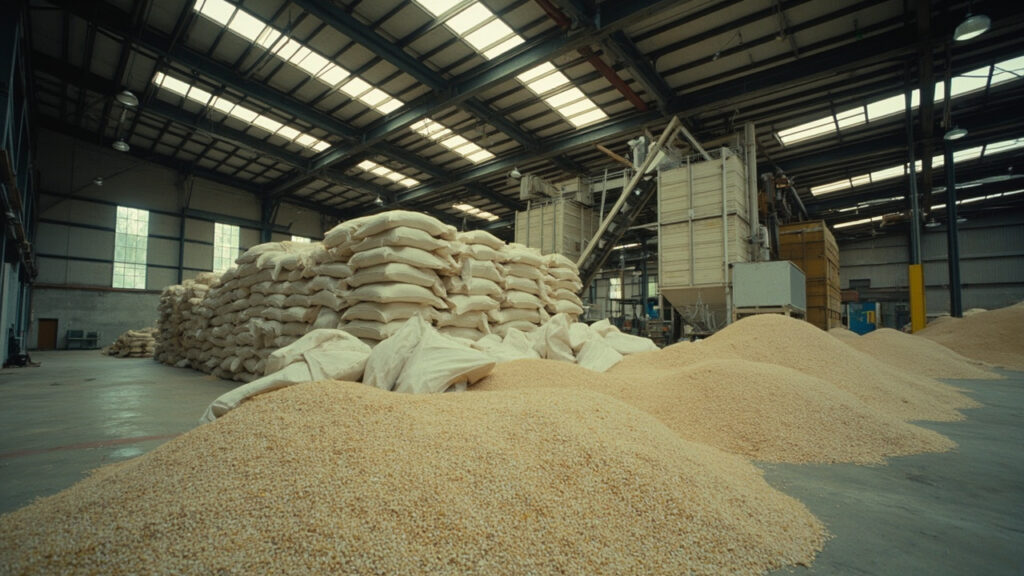
Japan’s engagement in Nigerian agriculture is not new. Through the Japan International Cooperation Agency, Tokyo has funded training programmes, irrigation projects and technical assistance aimed at smallholder producers across the country. Rice has featured prominently in those efforts, given its central role in Nigerian diets and the country’s ambition to become self-sufficient in staple grains.
Seed quality is widely regarded as one of the weakest links in the domestic rice chain. Many Nigerian farmers rely on saved grain or informally traded varieties, which often yield poorly compared with certified seed. Strengthening the production and distribution of improved seed is therefore seen as a practical route to lifting overall output without requiring major new land clearance.
The $3.5 million commitment, as The Guardian Nigeria News reported, is expected to fund facilities and partnerships that can multiply and distribute higher-yielding varieties to growers. If successful, analysts say, the initiative could serve as a template for similar support to other staple crops on which Nigeria remains a net importer.
Sources
This report was written from coverage published by the following news organisations. Follow the links for the original reporting.
- The Guardian Nigeria News — Japan backs Nigeria’s rice push with $3.5m seed production grant