Hundreds of migrants swim from Morocco into Spanish enclave of Ceuta
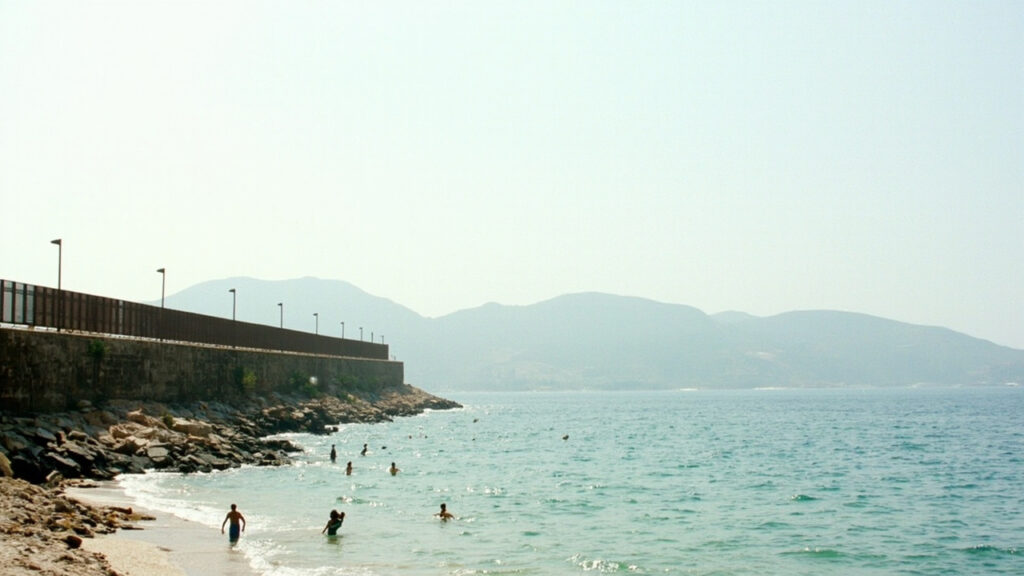
Ceuta — Hundreds of migrants swam from Morocco into the Spanish territory of Ceuta on Wednesday, overwhelming local border security, according to Africanews and local authorities.

The migrants crossed the water from Moroccan shores into Ceuta, a small Spanish autonomous city perched on the northernmost tip of North Africa, overlooking the Strait of Gibraltar. As Africanews reported, officials described the situation as overwhelming, with security personnel mobilised to manage the inflow of arrivals.
Ceuta is one of two Spanish enclaves located on the Mediterranean coast of Morocco, the other being Melilla, further east along the North African coast. Together, the two territories form the only land borders between the European Union and the African continent, and have for decades been focal points for migration flows from sub-Saharan Africa and beyond toward Europe.
The enclaves are surrounded by high border fences and are separated from the rest of Spain not just by the sea but by hundreds of kilometres of Moroccan territory. Despite the fortifications, migrants have repeatedly attempted to enter both by sea — sometimes by swimming around fences that extend into the water — and by scaling the barriers themselves. Spanish and Moroccan authorities routinely coordinate on border control, though relations between Madrid and Rabat on migration have fluctuated over the years.
Spain’s interior ministry and the European Border and Coast Guard Agency, Frontex, have previously deployed additional resources to Ceuta and Melilla during periods of heightened migration pressure. The enclaves’ small size — Ceuta covers just under 20 square kilometres — means that even modest surges in arrivals can quickly exceed local reception and processing capacity.
The latest crossing underscores the continuing strain on the EU’s southern frontier, where migration routes have shifted and adapted in response to enforcement efforts elsewhere along the Mediterranean.
Sources
This report was written from coverage published by the following news organisations. Follow the links for the original reporting.