

How African Archaeology Has Been Reinvented Across Four Eras
For decades, the study of Africa’s deep past was largely shaped by researchers working outside the continent, but a new reflection on the discipline argues that archaeology has undergone four distinct eras of evolution, each reshaping what “the past” even means.
According to an article published by The Conversation Africa and reported by AllAfrica, the field’s transformation mirrors broader shifts in science, politics, technology and ways of thinking. The question of what counts as the past, the piece notes, is “more complex than we might think at first” once those shifts are taken into account.
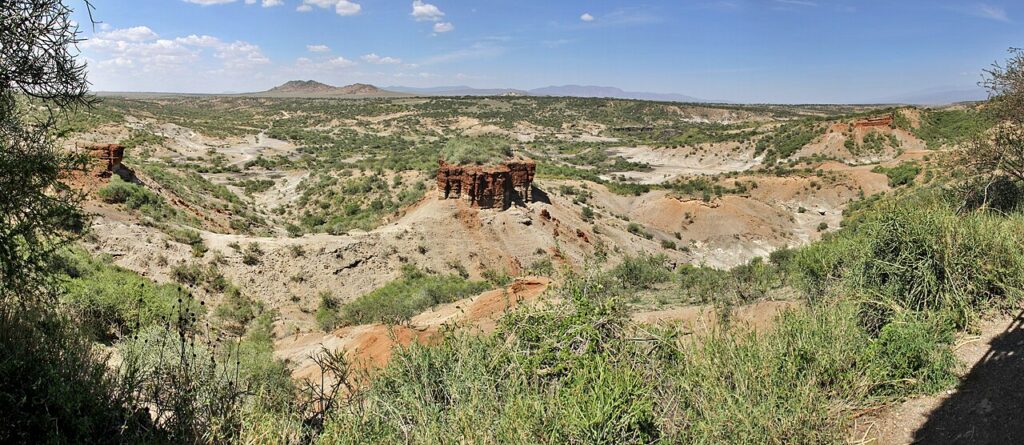
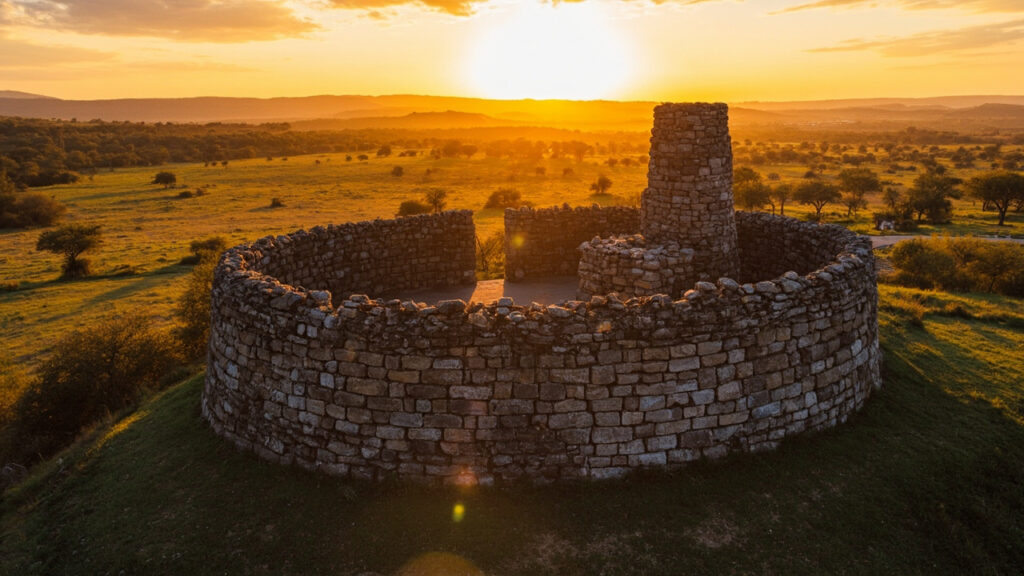
Africa has long held an outsized place in global archaeology. The continent is widely regarded as the birthplace of the human species, with fossil discoveries at sites such as Olduvai Gorge in Tanzania and the Sterkfontein caves in South Africa providing some of the oldest evidence of early hominin ancestors. Excavations at Great Zimbabwe, the pyramids of Sudan and the rock art of the Sahara have similarly reshaped understanding of African civilisations and their connections to wider worlds.
Yet the discipline that uncovered these legacies was for many decades dominated by European and North American institutions, with African researchers often relegated to supporting roles. From the post-independence era onward, the rise of African-led universities, museums and heritage agencies gradually rebalanced the field. Bodies such as the Pan-African Archaeological Association, founded in the late 1940s, have long served as forums for continental scholarship, while newer generations of researchers are increasingly drawing on indigenous knowledge systems and community-based excavation methods.
A further shift has come through technology. Tools such as satellite imagery, ground-penetrating radar and ancient DNA analysis have opened windows onto landscapes and peoples that older methods could not reach. Taken together, these changes suggest that the archaeology of Africa today is less a single inherited tradition than an ongoing conversation between past and present, and between the continent and the wider world.
Sources
This report was written from coverage published by the following news organisations. Follow the links for the original reporting.


