Highlife music enters a new century with a rising generation of artists
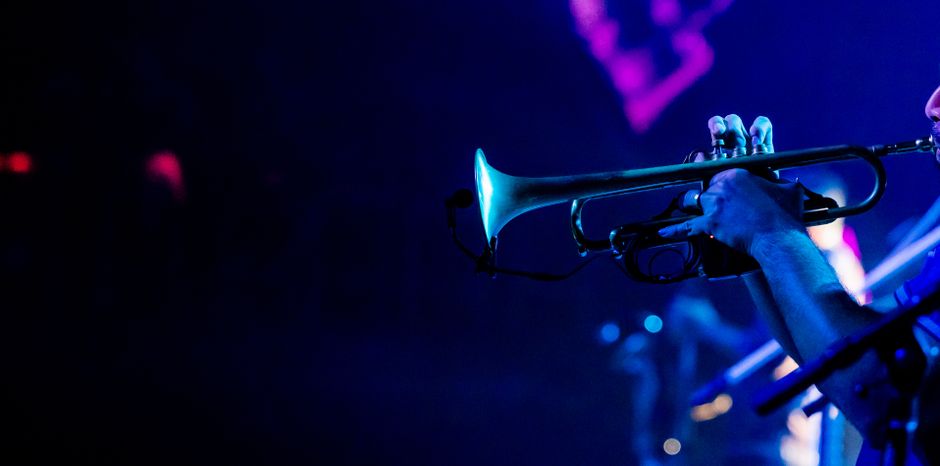
Highlife, the West African genre widely regarded as a foundational sound in modern African popular music, is experiencing a renewed wave of interest as it marks its centenary. Born in the early twentieth century in the port cities of Ghana, the style fused European colonial brass traditions with local rhythms, eventually becoming the soundtrack of West Africa’s independence movements and post-colonial identity.
Now, more than one hundred years after its emergence, Highlife has been formally inscribed on UNESCO’s Representative List of the Intangible Cultural Heritage of Humanity. The recognition places the genre alongside other living traditions that communities have identified as worth safeguarding for future generations, and underscores its enduring influence across the continent and the diaspora.
From port towns to pan-African sound
The genre took shape in coastal cities such as Accra and Cape Coast, where musicians working in dance bands blended imported instruments, including trumpets, saxophones and guitars, with rhythmic patterns rooted in local traditions. Over the decades, Highlife spread across West Africa and beyond, influencing later styles and providing a template for bands seeking to express a distinctly African modernity.
During the independence era, Highlife became closely associated with the aspirations of newly sovereign states, performed at political gatherings, social clubs and on state broadcasters. Its melodies crossed borders into Nigeria, Sierra Leone and francophone West Africa, while West African migrants carried the sound to European cities, helping to seed later genres such as Afrobeat.
A new generation takes the stage
Today, a younger cohort of artists is engaging with the Highlife tradition in ways that range from faithful revival to deliberate experimentation. Some performers draw directly on the repertoire and instrumentation of earlier masters, while others incorporate elements of hip-hop, Afrobeats, jazz and electronic production, reflecting the genre’s historical openness to outside influences.
This intergenerational dialogue has been supported by digital platforms, which allow emerging musicians to reach audiences across Africa and in the diaspora without relying solely on traditional record-label structures. Live performances, festivals and tribute projects have also contributed to a sense that Highlife is once again part of the contemporary conversation rather than a museum piece.
Heritage status and the road ahead
UNESCO’s inscription does not protect a fixed musical form but rather the practices, knowledge and community ties that sustain it. For musicians and cultural organizations in Ghana, the listing has been framed as an opportunity to strengthen transmission, support ageing practitioners and encourage new entrants. It also highlights questions familiar to many living traditions: how to preserve a sound without freezing it, and how to encourage innovation without losing continuity with the past.
As Highlife enters its second century, observers say its trajectory illustrates a broader pattern across African popular music, in which historical genres are being rediscovered, reinterpreted and projected onto global stages by artists who treat the past as a resource rather than a constraint.
Source: FRANCE 24 — read the original report.