Feminism as a Labour Instrument: Advancing Women’s Rights and Decent Work in Africa
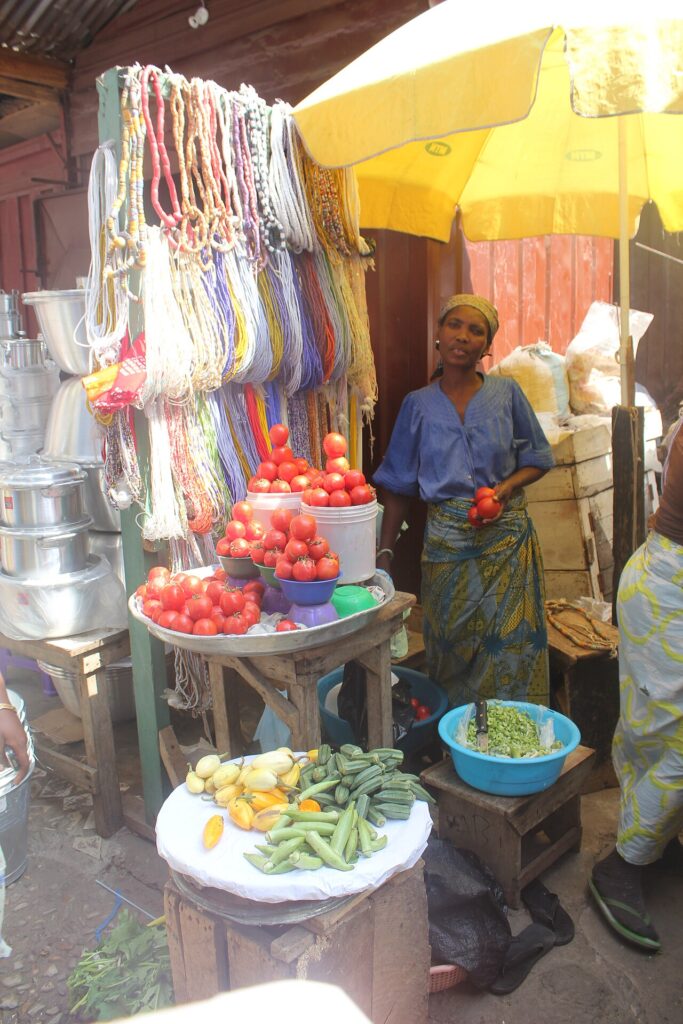
Across African economies, women form the backbone of informal trade, agriculture and care work, yet millions continue to labour without the protections, pay or recognition that define decent work, according to AllAfrica, citing the Ghanaian Times. The question of who gets a fair chance at work remains stubbornly relevant on a continent where having a job does not always translate into having a safe or fairly compensated one.

Africa’s labour force is among the youngest and fastest-growing in the world, with women making up roughly half of the working-age population in many countries. International Labour Organization analyses have long pointed to a persistent gender gap in employment outcomes, with women concentrated in low-wage, informal and part-time roles that fall outside formal labour regulation. The gap is most visible in agriculture, domestic work and cross-border trade, sectors where contracts, pensions and grievance mechanisms are rare.
The barriers women face are structural rather than individual. Unpaid care and domestic responsibilities, performed disproportionately by women, reduce the time available for paid employment and constrain career mobility. Where formal jobs do exist, occupational segregation channels women into lower-paid sectors, while weak enforcement of maternity protections and minimum wage laws leaves them exposed to exploitation. In the informal economy, where the majority of African women work, there is often no contract, no social insurance and no recourse when wages go unpaid or conditions deteriorate.
Framing feminism as a labour instrument, as the Ghanaian Times editorial argues, shifts attention from abstract debate to the practical tools of bargaining power: union representation, gender-responsive collective agreements and the ratification of international standards such as the ILO’s Violence and Harassment Convention. Women’s rights groups and trade unions across the continent have begun linking these instruments, contending that equal pay legislation, accessible parental leave and the formal recognition of informal workers are not separate causes but components of a single agenda for decent work.
Whether that framing gains traction will depend on whether governments, employers and unions can be persuaded that closing the gender gap is not only a matter of equity but a foundation for broader economic resilience across the region.
Sources
This report was written from coverage published by the following news organisations. Follow the links for the original reporting.