
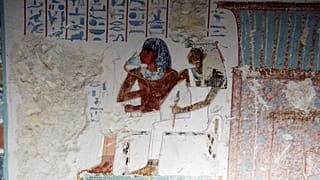
Egyptian authorities have opened two newly restored tombs in Luxor to the public for the first time, offering a rare window into one of the most productive and glittering periods of ancient Egyptian civilisation — a time when Egypt pharaohs commanded resources, artistic talent, and diplomatic reach unlike anything the world had seen before.
The tombs, belonging to Amenhotep-Rebuia and his son Samut, were discovered by archaeologists in 2015 but have only now been fully excavated, restored, and prepared for public visits. They date from the 18th Dynasty, the same dynasty that produced legendary pharaohs like Hatshepsut, Thutmose III, and Akhenaten, and which presided over an empire that stretched from the Euphrates to Nubia.
They represent a moment when Egypt was at its peak, said Dr. Zahi Hawass, the celebrated Egyptian archaeologist who led the restoration project. The craftsmanship, the inscriptions, the colours — they tell us that this was a society with enormous wealth and a highly developed aesthetic sensibility.
The tomb of Amenhotep-Rebuia, a senior official who served in the royal administration, features vivid wall paintings depicting scenes from daily life, religious rituals, and offerings to the gods. The walls retain much of their original colour — a remarkable feat, given that the tomb is more than 3,400 years old. Hieroglyphic texts record the titles and responsibilities of the deceased, painting a picture of a man who oversaw the pharaoh building programmes and grain shipments.
His son tomb, nearby, is smaller but equally rich in detail. Its ceiling is painted with astronomical charts showing the movements of constellations the ancient Egyptians associated with their afterlife beliefs. A representation of the sky goddess Nut swallowing the sun god Ra appears in the burial chamber, illustrating the cultural importance of the cycle of death and rebirth in ancient Egyptian religion.
The opening comes at a time when Egypt tourism sector, a vital component of the national economy, is recovering from years of disruption. Authorities have been investing heavily in the restoration of archaeological sites across the country, betting that a new generation of attractions can reverse the decline in visitor numbers that followed political instability and the COVID-19 pandemic.
Luxor, home to the Valley of the Kings, Karnak Temple, and the Colossi of Memnon, is Egypt most visited archaeological site after Cairo pyramids. The two new tombs are expected to draw significant additional traffic, particularly from travellers seeking a deeper, more nuanced experience of Egypt ancient past.
The Egyptian Ministry of Tourism and Antiquities said the opening was part of a broader strategy to reveal more of Luxor hidden treasures. Several other tombs in the area remain under excavation, and announcements about further openings are expected later this year.