DRC unveils draft deal to dissolve Rwanda-linked FDLR rebel group as Kigali objects
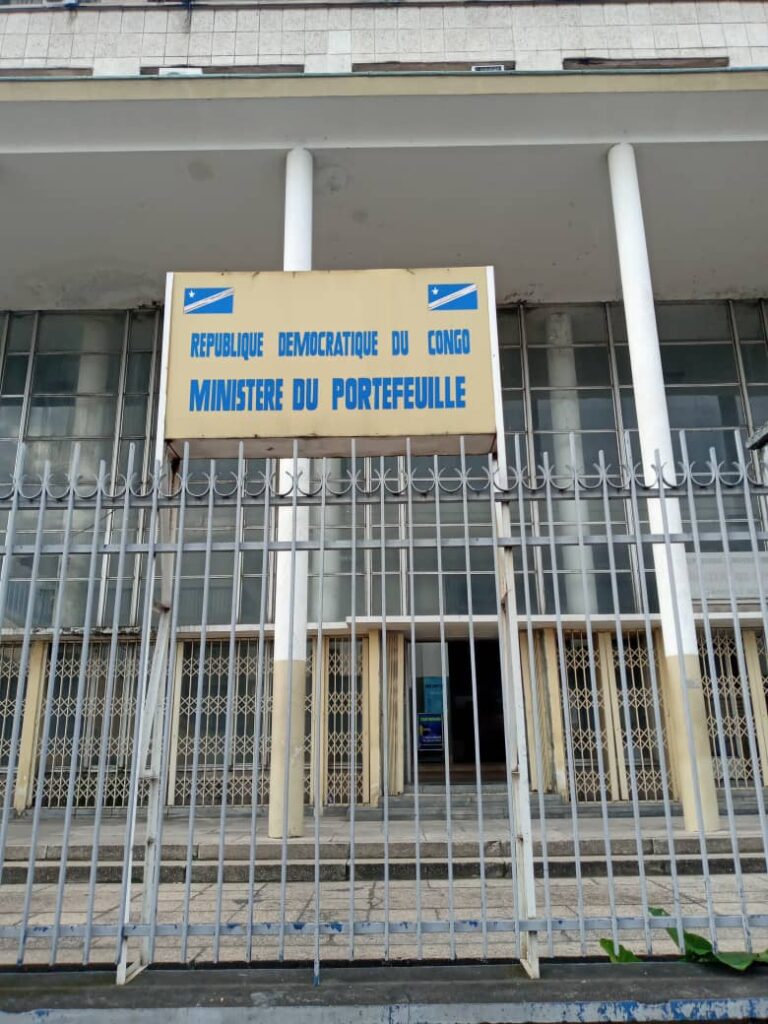
The government of the Democratic Republic of Congo has presented a draft agreement outlining a process for the dissolution of the Democratic Forces for the Liberation of Rwanda (FDLR), a rebel movement founded in the aftermath of Rwanda’s 1994 genocide by Hutu figures linked to the mass killings, according to The Africa Report. The proposal marks one of the most ambitious attempts yet to wind down a group that has shaped insecurity in eastern Congo for decades.
Kinshasa has framed the draft as a diplomatic breakthrough, arguing that a structured demobilisation framework offers combatants a path out of armed activity and brings the country closer to stabilising its troubled eastern provinces. Officials in the Congolese capital say the agreement is designed to align with existing national laws on the reintegration of armed groups, while providing for verification, disarmament and support for those who lay down their weapons.
A movement rooted in the genocide
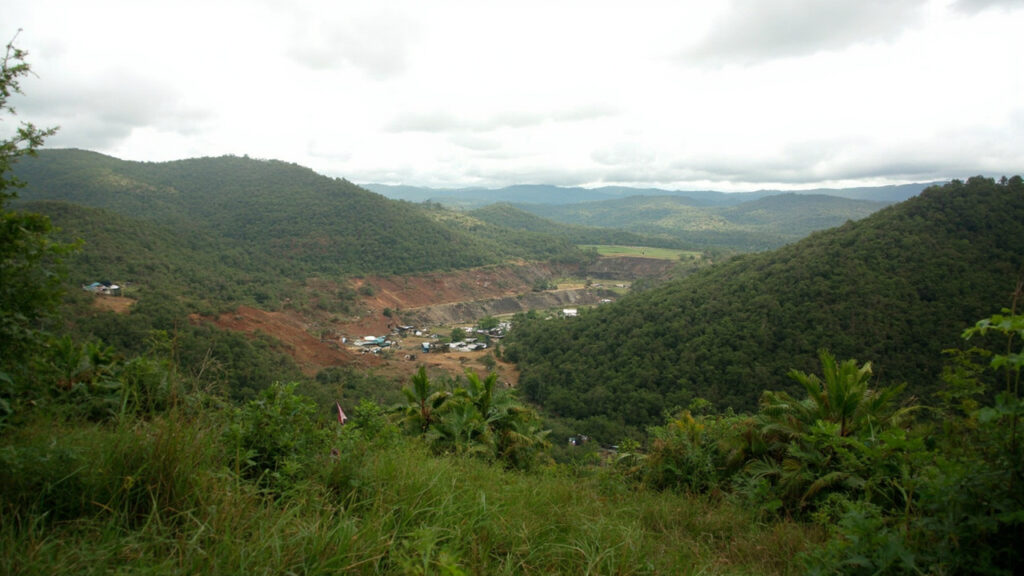
The FDLR traces its origins to Rwandan Hutu extremists who fled into eastern Zaire, now the DRC, after the genocide in which an estimated 800,000 people, predominantly Tutsis, were killed. Over the following decades, the group became entrenched in the mineral-rich provinces of North and South Kivu, where its presence has been repeatedly cited as a driver of violence, displacement and the proliferation of armed militias. Multiple rounds of regional diplomacy, including efforts under the United Nations and the International Conference on the Great Lakes Region, have tried without lasting success to demobilise its fighters or repatriate Rwandan nationals among its ranks.
Kigali’s rejection
Rwanda’s government has rejected the Congolese draft, characterising it as political manoeuvring rather than a genuine disarmament plan, as The Africa Report reported. Kigali has long accused the FDLR of continuing to threaten Rwanda from Congolese territory and has pressed Kinshasa to take more decisive action, including allowing Rwandan military operations against the group. The Rwandan position reflects a broader strain in relations between the two neighbours, whose ties have swung between tentative cooperation and open confrontation for more than two decades.
A wider regional puzzle
The disagreement comes against the backdrop of persistent insecurity in eastern DRC, where dozens of armed groups operate alongside the FDLR and where relations between Kinshasa and Kigali remain closely watched by regional mediators. Any move towards dismantling the FDLR would touch on sensitive questions of justice for genocide-era crimes, the rights of Rwandan refugees, and the control of lucrative mining areas. As the draft agreement moves through political channels in Kinshasa, the contrasting responses from the two capitals suggest that international facilitation may be needed if the plan is to move from paper to practice.
Sources
This report was written from coverage published by the following news organisations. Follow the links for the original reporting.
- The Africa Report — DRC-Rwanda: What we know about the FDLR demobilisation plan