Ceuta mayor says migrant influx has ‘disrupted’ life in Spanish North African enclave
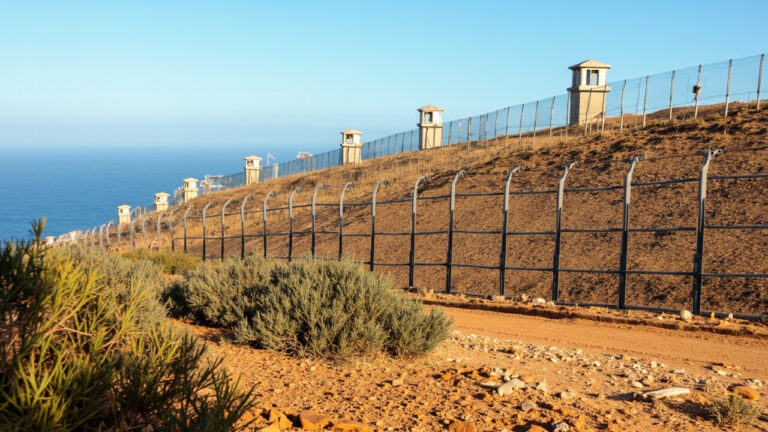
The mayor of Ceuta, Spain’s North African enclave, has said that life in the territory has been “disrupted” by a sudden influx of migrants crossing the border from Morocco in recent days. According to the mayor, an estimated 60,000 migrants have breached the border over the past few days, prompting complaints from both the newly arrived migrants and long-time residents about conditions in the small Spanish territory.
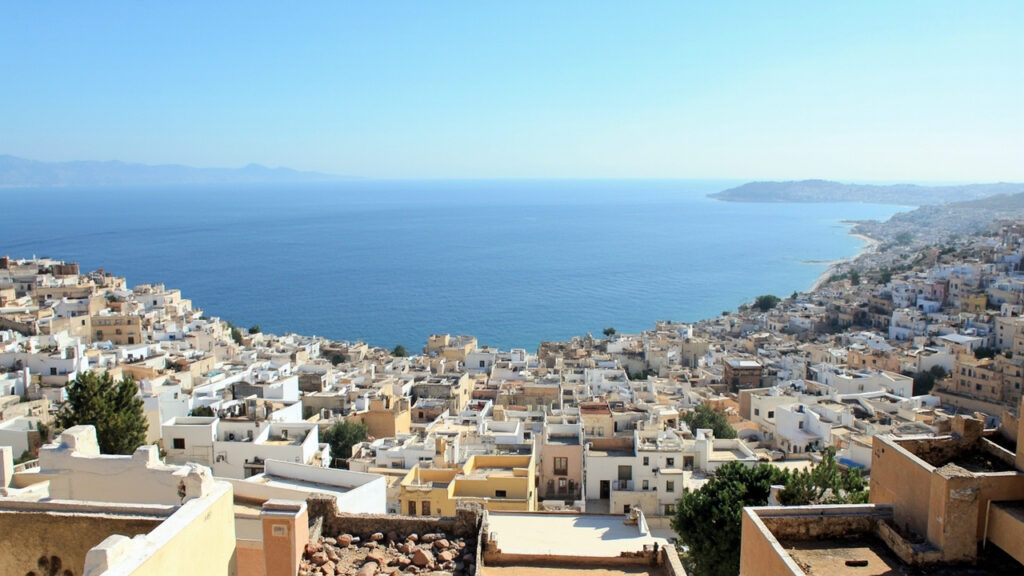
Ceuta is one of two Spanish autonomous cities located on the northern coast of Africa, the other being Melilla. The enclaves have been under Spanish sovereignty since the 15th century and are surrounded by Moroccan territory. As part of the European Union’s Schengen Area, they represent one of the few land borders between the African continent and the EU, making them significant focal points in discussions about migration between Africa and Europe.
On Saturday, residents and migrants alike expressed frustration about the situation. The mayor’s remarks drew attention to the strain placed on a territory whose small size means that any significant movement of people across the frontier has an immediate and visible impact on daily life.
The enclave, with a population of roughly 85,000 people, is among the most densely populated areas in Spain. Its geography — a narrow strip of African coast pressed against the Moroccan border — gives it a unique strategic and demographic character, where European governance meets African geography on a daily basis.
The mayor’s comments highlight the ongoing challenges faced by Ceuta, where European and African realities intersect constantly. The situation underscores the pressures on border communities situated at the crossroads of two continents, where migration, geopolitics, and local life remain closely intertwined.
Source: Africanews — read the original report.