CBK Reforms Helped Restore Stability After 1988 Financial Crisis
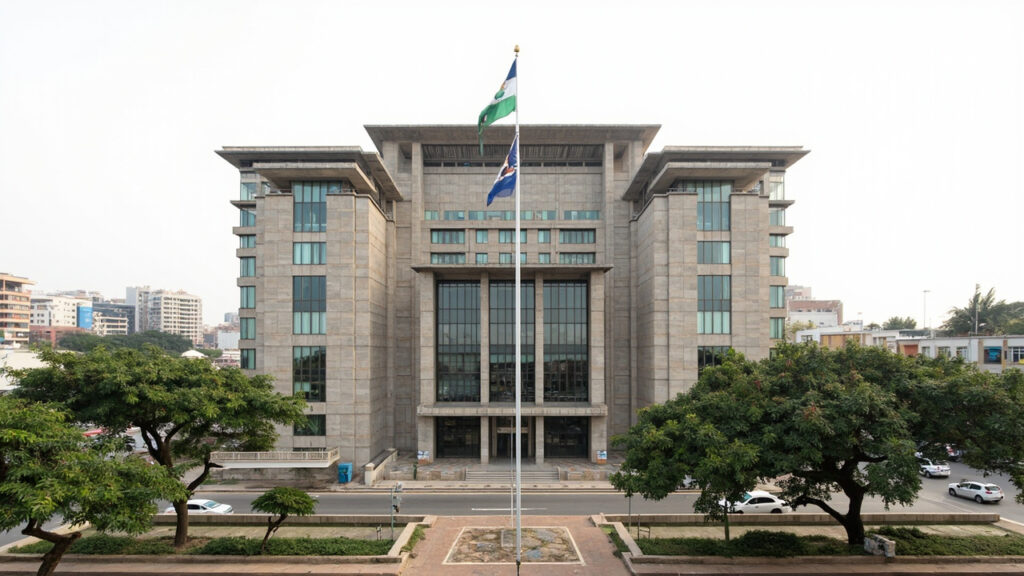
Reforms introduced by the Central Bank of Kenya (CBK) helped restore stability in the country’s banking sector following the financial crisis of 1988, according to Capitalfm.co.ke.
The crisis of the late 1980s marked one of the most turbulent periods in Kenya’s post-independence financial history. Several local banks collapsed amid allegations of fraud, mismanagement and weak oversight, leaving depositors exposed and shaking public confidence in the financial system. The failures exposed deep structural weaknesses in supervision and pushed the central bank to overhaul its regulatory framework.
In the years that followed, CBK introduced stricter capital adequacy requirements, tightened licensing procedures and strengthened both on-site and off-site supervision of financial institutions, Capitalfm.co.ke reported. The reforms also paved the way for enhanced coordination with external auditors and the gradual strengthening of deposit protection mechanisms, which together sought to prevent a recurrence of the systemic instability seen in 1988.
Established in 1966 under the Central Bank of Kenya Act, the institution serves as the country’s primary monetary authority, responsible for issuing currency, formulating monetary policy and maintaining the stability of the financial system. The post-1988 reforms laid the groundwork for much of the modern regulatory architecture that governs Kenya’s banking industry today, including subsequent updates to the Banking Act and the prudential guidelines that institutions are required to meet.
Economists have long pointed to the late-1980s reforms as a turning point in Kenya’s financial history, illustrating how a central bank can rebuild credibility after a crisis through transparent supervision and clearer rules for market participants. The experience continues to shape CBK’s approach to regulation more than three decades later.
Sources
This report was written from coverage published by the following news organisations. Follow the links for the original reporting.
- Capitalfm.co.ke — CBK reforms helped restore stability after 1988 financial crisis