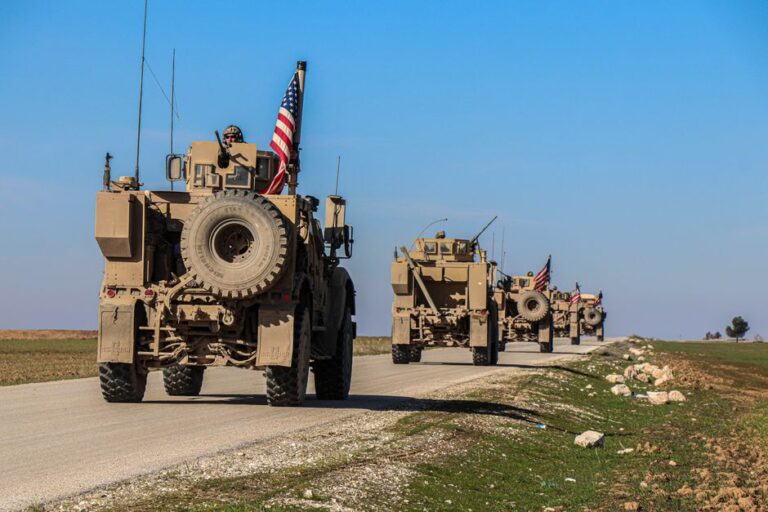
Burkina Faso’s Military Junta Suspends Largest Student Union and Arrests Its Leader
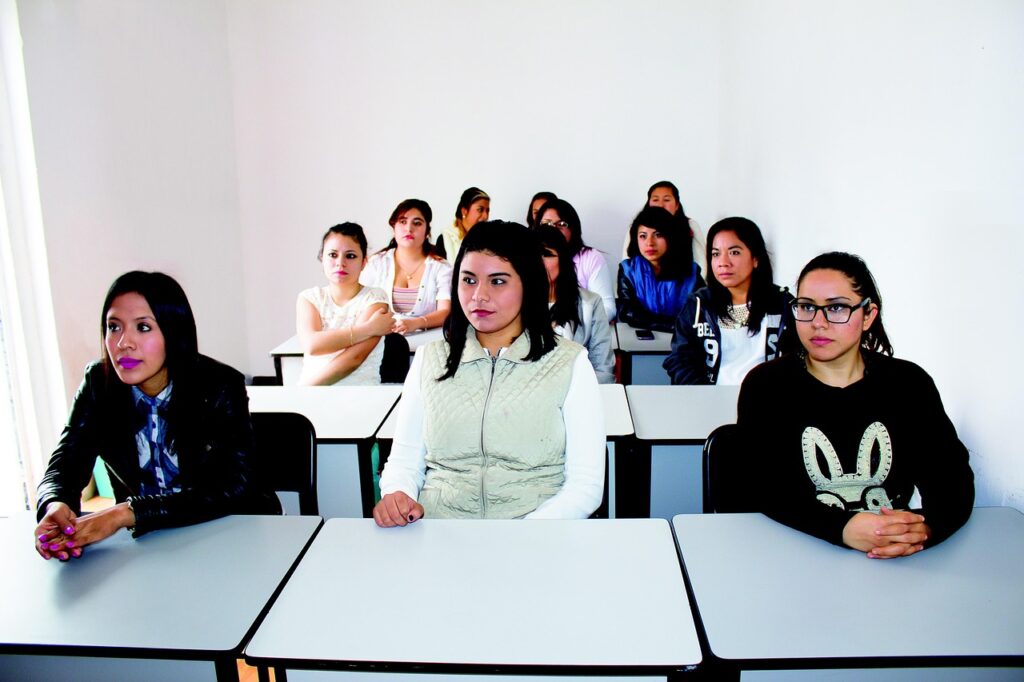
The ruling military junta in Burkina Faso has suspended the country largest student organization and ordered the arrest of its president, in what opposition politicians and human rights advocates say is the latest move in a systematic campaign to silence dissenting voices and consolidate military control over every dimension of public life.
The Targeted Student Organization
The National Confederation of Student Youth, known by its French acronym CONEP, has been one of the few organized civil society structures that has maintained a degree of independence from the military government since the coup in 2022. Its leadership has been vocal in criticizing the junta handling of the insurgency, the deterioration of press freedom, and what it describes as the militarization of civilian institutions.
The suspension order, signed by the interior ministry, accused CONEP of inciting hatred against state institutions and participating in unauthorized political activities. The organization offices were raided, and its president was taken into custody at his home in Ouagadougou. Witnesses said security forces arrived in vehicles without license plates and did not present a warrant.
The move comes amid a broader pattern of suppression. Since taking power, the junta has shut down several civil society organizations, suspended newspapers, and arrested journalists. Military tribunals have been used to prosecute civilians, and the transitional parliament — itself appointed by the military — has been stripped of any real oversight function.
The Insurgency Shadow
Burkina Faso has been battling a jihadist insurgency that has killed thousands and displaced more than two million people since the first attacks in 2019. The military government response has centered on the deployment of volunteers for national defense and closer security cooperation with Russia, which has replaced France as the primary external security partner.
The conflict has created a complex environment for dissent. The junta has argued that criticism of its security policies amounts to sympathy for terrorist forces — a characterization that its opponents reject as cynical and self-serving. Human rights organizations say the security situation has worsened under military rule, not improved, and that the suppression of civil society is driven by political rather than security motives.
International Crisis Group has documented cases in which journalists and activists were detained for reporting on military casualties or the human cost of the insurgency. The information environment has become heavily restricted, with the junta controlling the flow of official information and cracking down on independent reporting.
A Region Under Pressure
Burkina Faso is not alone in its authoritarian drift. Since 2020, military coups have swept across West and Central Africa, bringing soldiers to power in Mali, Niger, and Chad. The juntas have cited the failure of civilian governments to address insurgency, economic hardship, and corruption as justification for taking power. But the pattern of behaviour once in power has been remarkably consistent: the suppression of opposition, the muzzling of the press, and the extension of military influence into every level of government.
Niger, which is governed by a military junta that has also turned to Russia for security support, has seen similar crackdowns on civil society. The two countries, together with Mali, formed the Alliance of Sahel States (AES), a regional bloc that has deliberately distanced itself from the Economic Community of West African States (ECOWAS) and from Western security partnerships.
The international community has struggled to respond. ECOWAS imposed sanctions on the Malian and Nigerien juntas after their coups, but those sanctions were gradually eased as the regional body sought a path toward normalization. The African Union has been similarly cautious, reluctant to alienate governments that control territory where jihadist groups are active.
The Human Cost
For ordinary Burkinabe, the suspension of CONEP is another symptom of a society being slowly strangled. Universities have been hit by repeated closures due to security concerns and, now, by the removal of the main independent student voice. Young people who had hoped that the coup would bring change find themselves living under a government that brooks no opposition and offers no clear path toward civilian rule.
The transitional government has promised elections, but the timeline has slipped repeatedly. The constitution that was suspended after the coup has not been reinstated. There is no clear date for a return to civilian rule, and analysts who track military politics in the Sahel say there is little reason to believe the junta intends to give up power voluntarily.
CONEP suspended president, whose name has been withheld by human rights organizations for his safety, had become one of the most visible faces of organized opposition to military rule. His arrest marks a turning point — not because it is the most severe repression seen under the junta, but because it represents the systematic dismantling of what remained of independent civil society in Burkina Faso.