Benin’s New Senate Raises Questions Over Power and Legitimacy

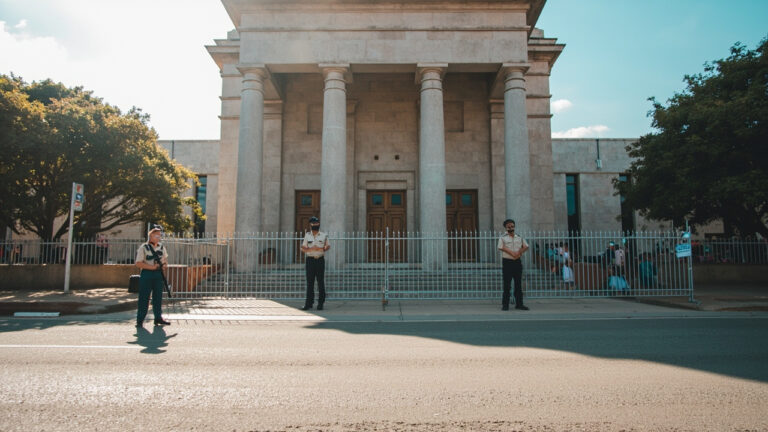
Benin’s newly established Senate was inaugurated in Porto-Novo last week, creating a second chamber of parliament with powers to review legislation, safeguard constitutional rules and discipline political figures, as AllAfrica reported.
The move reintroduces a body that has been absent from Benin’s political architecture for more than three decades. When the country transitioned from single-party rule in 1990, it adopted a unicameral parliament under its new democratic constitution. The return of an upper house marks a significant institutional shift for a West African state that has long been regarded as one of the more stable democracies in the region.
Benin, a former French colony situated between Nigeria and Togo, has its official seat of government in Porto-Novo while the economic hub sits in Cotonou. The country of roughly 12 million people has experienced contested political reforms in recent years, with opposition movements critical of changes to the electoral system that have made it harder for rival parties to compete effectively.
The Senate’s mandate, as described by AllAfrica, includes reviewing legislation passed by the National Assembly, protecting constitutional norms, and disciplining political officeholders. These broad powers have prompted questions about how the new chamber will interact with existing institutions and whether it will serve as a check on executive authority or an extension of it.
Benin’s political trajectory under President Patrice Talon, who secured a second term in 2021, has drawn scrutiny from civil society groups and international observers concerned about democratic backsliding. The creation of the Senate adds a new dimension to ongoing debates over institutional reform in the country.
Sources
This report was written from coverage published by the following news organisations. Follow the links for the original reporting.