Algeria confronts the toxic legacy of its war of independence
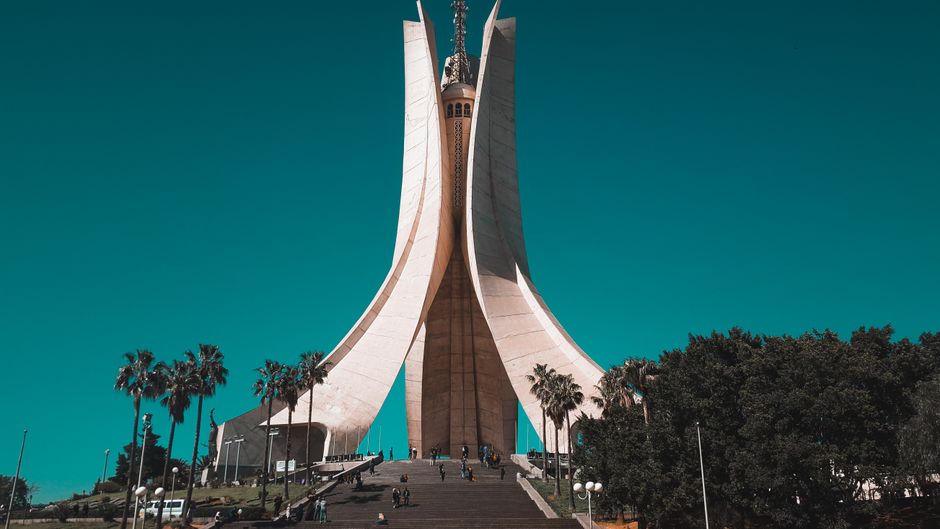
More than six decades after Algeria’s war of independence ended, fresh testimony and archival documents are drawing renewed attention to the French army’s reported use of chemical weapons during the conflict. The disclosures, featured in an Al Jazeera documentary, are reviving long-standing debates about accountability, historical memory, and the lingering consequences of one of the bloodiest decolonisation struggles of the twentieth century.
A conflict marked by extraordinary violence
The Algerian war of independence, which ran from 1954 to 1962, cost the lives of hundreds of thousands of Algerian civilians, fighters, and French soldiers. Conducted under the shadow of the Cold War and amid France’s broader retreat from its overseas empire, the conflict was notable for the range of tactics employed on both sides, from urban guerrilla warfare to reprisal operations against civilian populations. Survivors and historians have long described practices that included mass displacement, torture, and the destruction of agricultural infrastructure intended to undermine support for the independence movement.
Testimony and documentation
The Al Jazeera investigation draws on witness accounts and documentary evidence to reconstruct what its contributors describe as the systematic deployment of toxic substances by French forces. According to the reporting, the materials in question were used in operations targeting areas associated with the Front de Libération Nationale (FLN), with some accounts pointing to substances intended to harm crops, contaminate food sources, or affect combatants hiding in remote terrain. Researchers cited in the documentary note that chemical agents were also reportedly deployed in counter-insurgency efforts that blurred the line between military targets and civilian populations.
A long-running debate over responsibility
France has, over the years, faced persistent calls from Algerian civil society groups, veterans’ associations, and international observers to acknowledge the full scope of abuses committed during the colonial era. While Paris has taken steps to address certain episodes, including the 2017 decision by then-President Emmanuel Macron to describe the repression of a 1961 protest in Paris as a crime, broader questions about chemical and environmental warfare in Algeria remain contested. Critics argue that successive French governments have resisted comprehensive disclosure, while Algerian authorities have increasingly pressed the issue through diplomatic and legal channels.
Implications for historical memory
The renewed focus comes at a time when several European nations are grappling with the legacy of their colonial pasts, from Belgium’s reckoning with its role in Congo to ongoing debates in France about statues, school curricula, and museum collections. In Algeria, officials and scholars say the publication of additional testimony is essential not only for historical accuracy but also for the recognition of survivors and their descendants, many of whom continue to live in regions affected by the contamination. The documentary adds to a growing body of academic and journalistic work that examines how the environmental and health consequences of chemical warfare persisted long after the guns fell silent.
As the archival record expands and more witnesses come forward, the challenge for both Algiers and Paris lies in translating acknowledgment into a shared historical understanding. For Algerians who lived through the war and for younger generations grappling with its inheritance, the question of what happened, and why, remains central to the country’s national story.
Source: Al Jazeera — read the original report.