

Africa’s Solar Energy Boom Fuels Lead Poisoning Crisis as Battery Recycling Lags
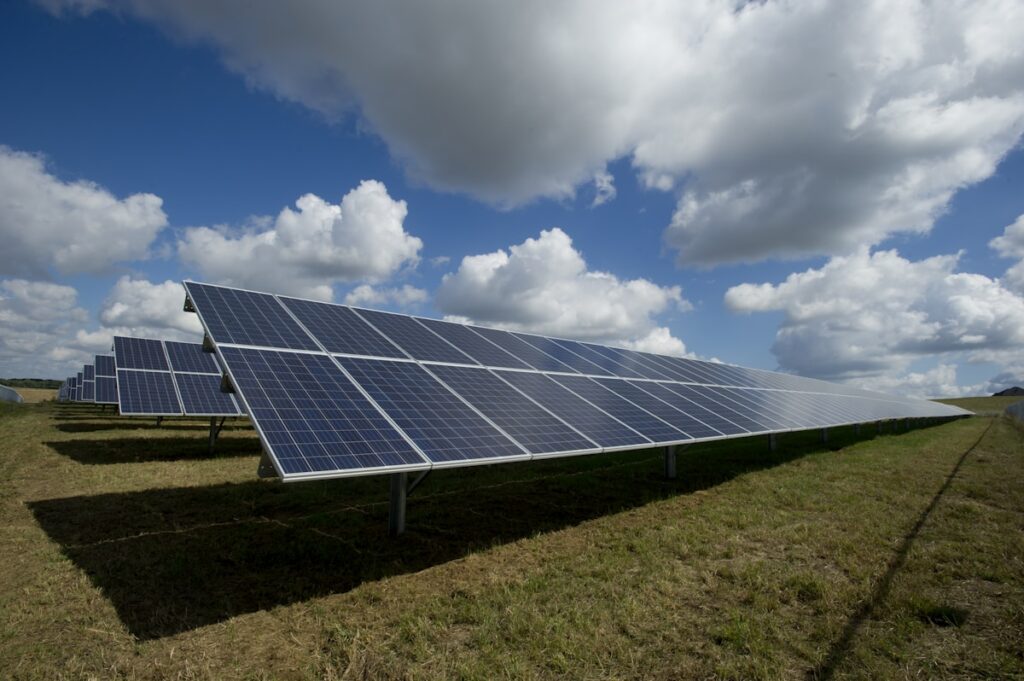
Africa’s rush to close its energy gap with off-grid solar systems is generating a quiet but mounting public health crisis that few are talking about: a surge in lead poisoning from the improper recycling of spent batteries that store solar power in millions of homes across the continent.
In the Kenyan coastal city of Mombasa, the informal settlement of Owino Uhuru has become a grim testament to the problem. A lead-acid battery recycling plant operated there between 2007 and 2014, poisoning soil and groundwater with toxic waste that residents say has never been properly cleaned up. More than 20 deaths have been linked to the contamination, and survivors continue to suffer from neurological damage, respiratory problems and cognitive impairment.
“Life has never been the same,” said Faith Muthama, 40, a mother of four who tested positive for dangerous lead levels in her blood in 2012. “I still struggle with heavy chores. I suffer from breathing difficulties every day.”
The Solar Boom is Creating a Battery Mountain
A February report by the Centre for Global Development warned that the rapid expansion of off-grid solar systems across Africa — widely celebrated as a clean energy success story — is driving a sharp increase in the number of lead-acid batteries requiring disposal. Much of that recycling is happening in informal or poorly regulated settings where toxic lead particles are released into the air, soil and water.
Lead-acid batteries remain the dominant storage technology in low-income markets because they are cheaper than lithium-ion alternatives. But safely recycling them requires expensive infrastructure that is scarce across Africa. Informal recyclers typically use rudimentary smelting methods that expose workers, families and surrounding communities to dangerous levels of lead.
“Safe recycling is expensive and that creates a strong incentive to do it unsafely,” said Lee Crawford, a senior research fellow at the Centre for Global Development who reviewed the report.
The Scale of the Problem
Studies across Africa and South Asia estimate that between one-third and half of children have elevated blood lead levels — one of the most widespread environmental health risks globally. Lead exposure is particularly damaging to children’s developing brains, causing permanent cognitive deficits and neurological damage that compound across generations.
Alfred Ogulo, a 70-year-old village elder in Owino Uhuru, can no longer walk without a stick. Nerve damage and mobility impairment have left him dependent on neighbours for basic daily tasks. “I cannot walk without a stick,” he said. “I also suffer from serious chest pain from the toxic fumes we breathed in when the factory was still operating.”
Legal Victories, Partial Justice
In 2025, Kenya’s Supreme Court awarded approximately $12 million in damages to around 3,000 residents who won a class-action lawsuit against the smelting company — a rare legal victory for victims of industrial pollution in Africa. But activists say the state has failed to ensure timely compensation, leaving many of the affected families without the resources to pay for medical treatment.
“These monies would have alleviated the current suffering these vulnerable residents are going through,” said Phyllis Omido of the Centre for Justice Governance and Environmental Action, who helped residents take their case to court. “Is it fair that we are still chasing justice while the company walks away?”
No Easy Fix
The problem cannot be solved by simply banning lead-acid batteries, experts say — they are too important to off-grid energy access for hundreds of millions of Africans who have no connection to reliable electricity grids. The answer, they argue, is to make formal, safe recycling economically viable and regulation enforceable.
Some countries are making progress. South Africa has introduced producer responsibility systems requiring manufacturers to fund battery recycling programmes. But across much of the continent, where batteries are imported rather than produced locally, assigning responsibility remains legally complex.
Until that changes, the irony is stark: the same solar revolution that is bringing light and opportunity to Africa’s off-grid communities is also creating a legacy of poison that may take decades to clean up — and a generation of children to heal.
Source: African News / AP / Centre for Global Development