Africa Cities Running Out of Room: The Urban Crisis That Could Define the Continent’s Future
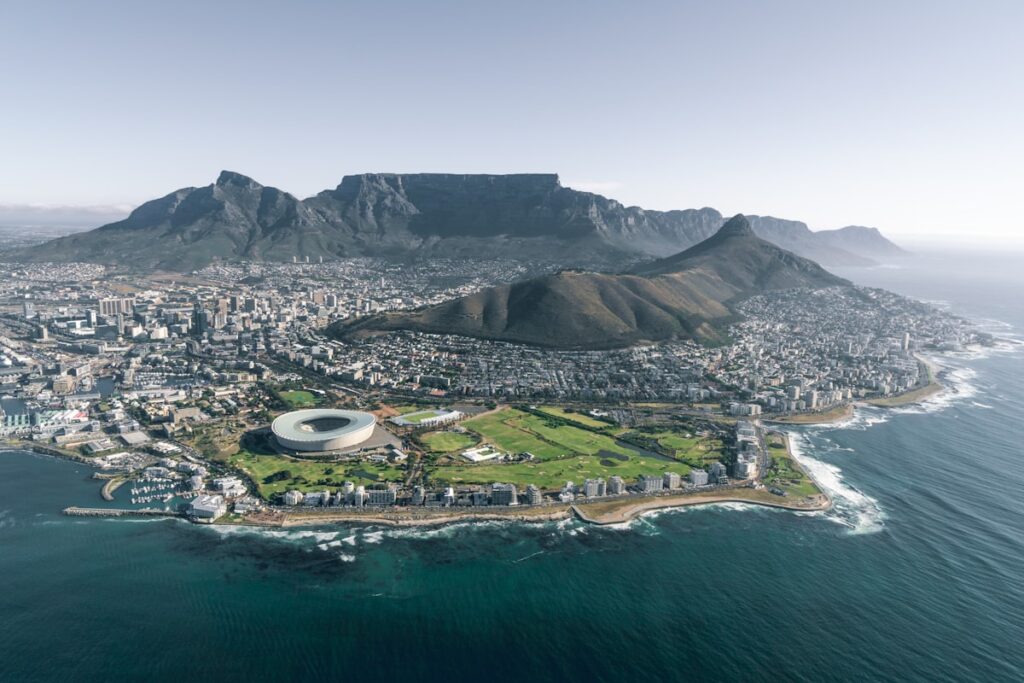
Africa’s cities are growing faster than anything the continent has seen before — and they are running out of space to accommodate it.
The numbers are staggering. Lagos, Nairobi, Kinshasa, and Dar es Salaam are each adding hundreds of thousands of new residents every year. Projections suggest that by 2050, the continent will have added more than a billion people to its urban populations. The infrastructure, the planning, and in many cases the governance structures needed to absorb that growth simply do not exist at the required scale.
The Visible Consequences
Informal settlements are expanding outward from city edges at a pace that municipality planning departments cannot track. Roads designed for a fraction of today’s traffic are crumbling under volumes they were never meant to carry. Property prices in central districts are reaching levels that price out the middle classes who are supposed to anchor the economic transition — pushing workers further and further from their places of employment and creating spiralling commute times that eat into productivity.
In many African cities, the pressure is not just demographic but also geographic. Buildable land is often constrained by water bodies, forest reserves, or terrain that limits expansion. Nairobi is hemmed in by the Athi River to the east and the Nairobi National Park to the south. Kinshasa sits on a plateau above a river system that makes large-scale flooding a recurring risk. These physical constraints mean that cities cannot simply sprawl outward the way American or European cities did during their own periods of rapid growth.
Going Vertical by Necessity
African cities are going vertical — not by design, but by necessity. Middle-class residential towers are rising in districts that were previously low-rise commercial areas. Mixed-use developments combining retail, offices, and housing are replacing single-purpose zoning. The planning frameworks that govern these transformations are, in many cases, struggling to keep up. Permit backlogs mean that construction happens outside approved parameters. Building code enforcement is inconsistent at best.
The Kigali Exception
There are exceptions — cities that have managed their growth with more foresight. Kigali’s urban management has been widely praised for maintaining aesthetic standards while accommodating rapid population growth. The Rwandan capital’s enforced building guidelines have created a cityscape that is functionally and visually coherent by continental standards. But Kigali is small and compact. Applying its lessons to Lagos, a city of more than twenty million people, is a fundamentally different challenge.
The Price of Inaction
What Africa’s urban crisis demands is not just investment but strategic clarity. Cities need to expand deliberately, not just in response to the pressure of the moment. Land governance systems that are currently ambiguous or archaic need to be reformed so that land can be assembled for infrastructure development without decades of legal disputes.
The cost of inaction is measured not just in congestion and cramped housing, but in the economic opportunity that Africa is leaving on the table. Cities are meant to be engines of growth. When they are dysfunctional — when businesses cannot access the labour they need, when logistics networks are crippled by congestion — the whole economy suffers. Africa’s demographic dividend only becomes an asset if the cities that house that growing population are capable of absorbing them productively.