Africa at the World Cup: Why Talent Alone Hasn’t Been Enough
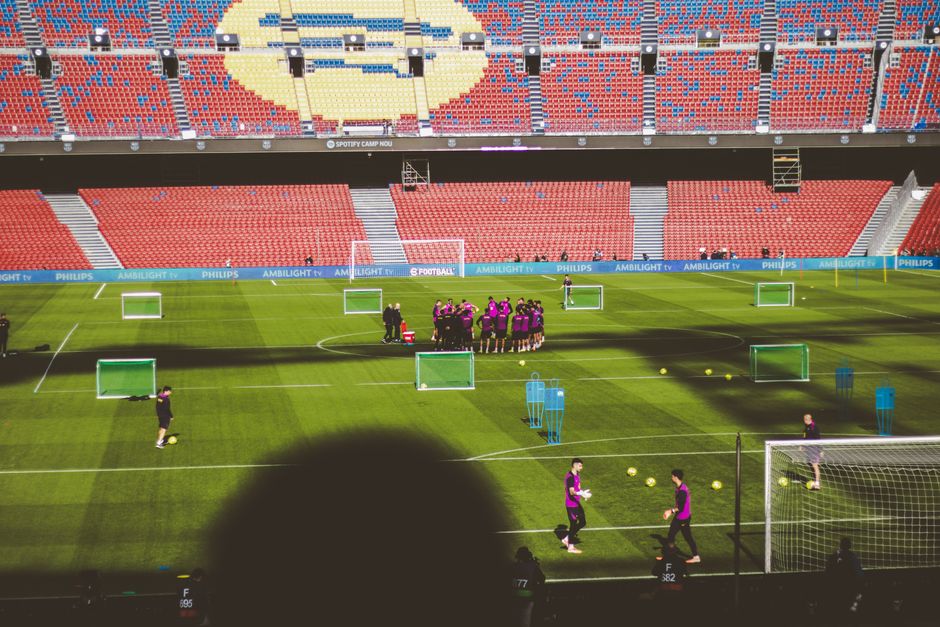
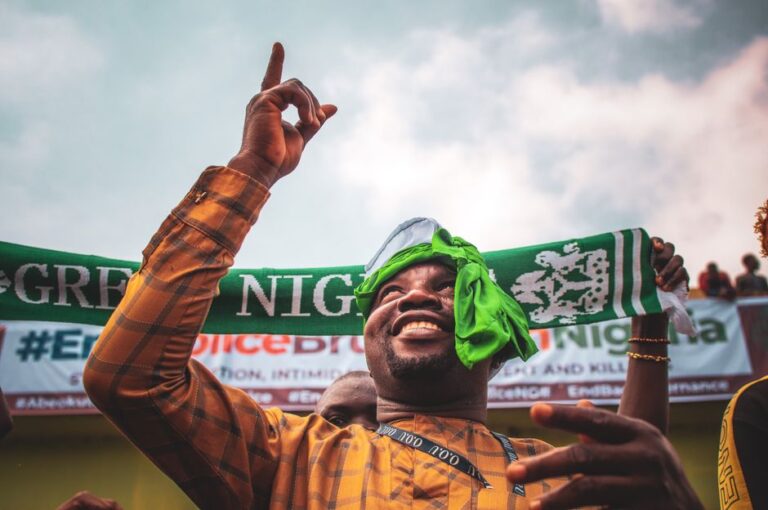
Every four years, the FIFA World Cup becomes a stage where Africa’s footballing promise is placed under global scrutiny. From the bustling neighborhoods of Lagos and the townships outside Johannesburg to the coastal pitches of Dakar and the dusty grounds of Casablanca, millions of young Africans watch the tournament with a familiar hope: that one day they too will represent their nations at football’s highest level. The continent’s passion for the game is beyond question. What remains in doubt, however, is whether the structures surrounding the sport allow that passion to translate into consistent results on the world stage.
A History of Near Misses
African teams have produced some of the most memorable moments in World Cup history — moments that hint at a depth of talent capable of competing with the best. Yet the continent’s overall record at the tournament has rarely reflected the quality of its individual players. Several African nations have reached the quarterfinals, and a few have come agonizingly close to going further, only to be undone by narrow defeats, controversial refereeing decisions, or critical lapses in concentration. The pattern has fueled a long-running debate: if African talent is clearly present, why does it so often fall short when the stakes are highest?
The Pipeline Problem
Football analysts and former players have repeatedly pointed to weaknesses in the structures that surround the game across much of the continent. Youth academies, where they exist, are often underfunded and reliant on the dedication of individual coaches rather than institutional support. Grassroots facilities — from proper pitches and training equipment to basic medical and sports science resources — remain unevenly distributed, particularly in rural areas where much of the raw talent is found. The pathway from a local playground to a professional academy is rarely linear, and many promising players are lost along the way to poverty, lack of opportunity, or inadequate guidance.
Governance and Federation Challenges
Beyond the pitch, governance issues within several national football federations have long been cited as a barrier to progress. Questions over administrative transparency, political interference, and the professional management of leagues have contributed to instability in some of the continent’s most football-mad countries. Coaching education, while improving in certain regions, has not kept pace with the global evolution of the game. Many African coaches enter the professional ranks with limited access to advanced tactical training, sports science, or video analysis tools that have become standard elsewhere.
The European Migration Effect
Another structural reality shaping African football is the migration of talent to European leagues, which begins at ever-younger ages. While this migration has given rise to globally recognized stars and elevated the profile of African players, it has also created a cycle in which domestic leagues struggle to retain their best players and the developmental benefits of having elite talent on the continent are reduced. National teams often assemble their squads only in the weeks before major tournaments, with limited time to build tactical cohesion or develop a distinct playing identity.
Looking Ahead
There are signs of progress. Investment in youth academies is growing in several countries, and a new generation of African coaches is gaining experience at the highest levels of the European game. Regional competitions and improved broadcasting deals have begun to strengthen domestic leagues in some markets. Still, observers argue that meaningful change will require sustained institutional reform, greater investment in grassroots infrastructure, and a long-term commitment to developing players within the continent rather than simply exporting them. Until those systemic gaps are addressed, Africa’s World Cup story is likely to remain one of dazzling individual talent overshadowed by collective underachievement.
Source: AllAfrica — read the original report.