Nigeria’s palm oil producers squeezed as cheaper imports hit margins
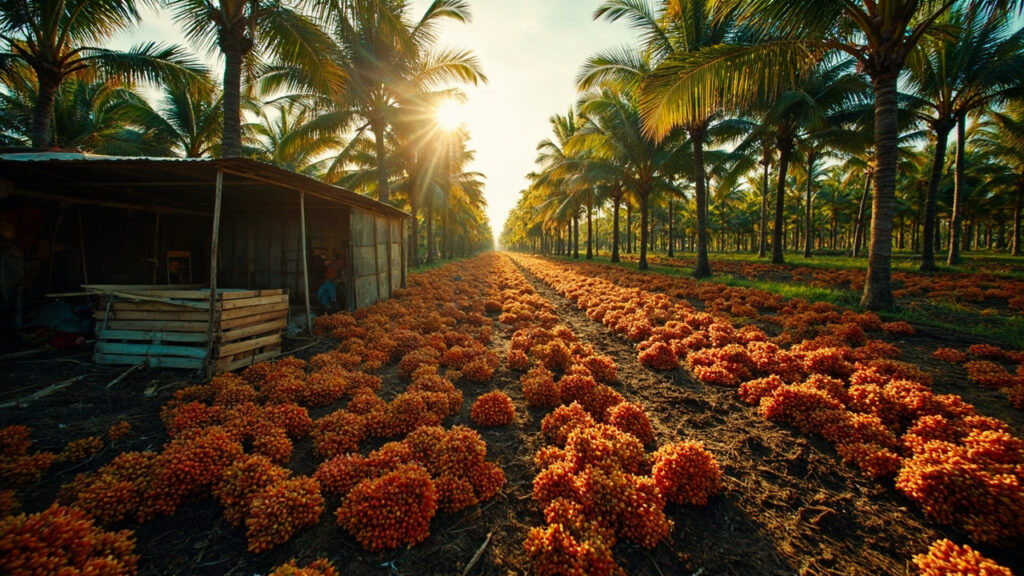
Nigeria’s leading palm oil producers are reporting a sharp decline in profits as cheaper imported palm oil continues to flood the domestic market, according to Business News Nigeria. The squeeze on margins reflects a long-running challenge for a sector that was once the backbone of the country’s agricultural exports.
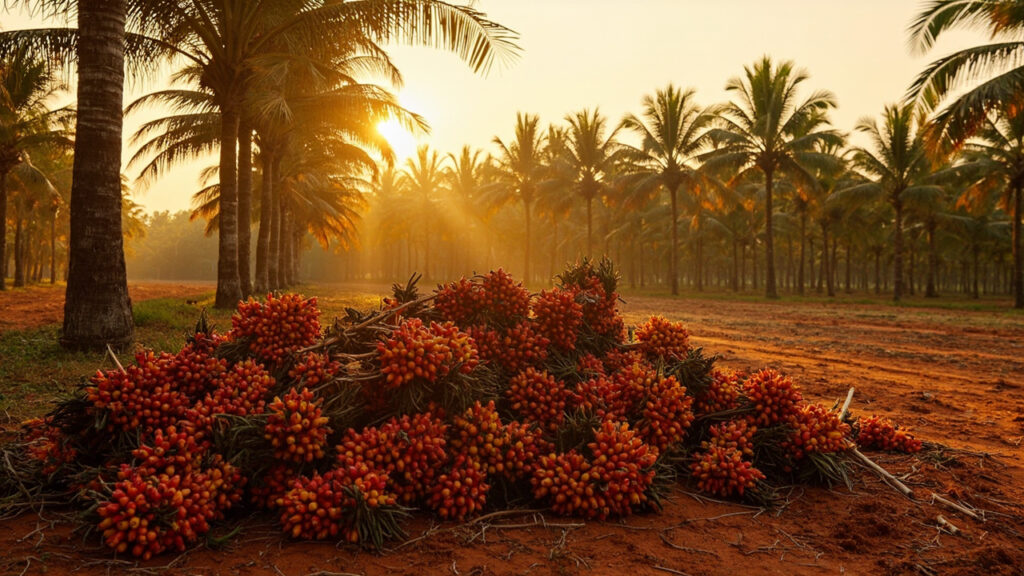
Before independence, Nigeria was the world’s largest producer and exporter of palm oil, a position it held until the 1960s. Decades later, the expansion of plantations in Southeast Asia, particularly in Malaysia and Indonesia, saw both nations overtake Nigeria. The country has since become a net importer of the very commodity that remains central to West African cooking.
Industry analysts have long pointed to underinvestment in processing infrastructure, ageing plantation stock and inconsistent government policy as factors weighing on domestic output. The result has been a persistent supply gap that imports, sometimes routed through neighbouring West African countries, have moved in to fill. According to Business News Nigeria, listed Nigerian palm oil firms have seen earnings pressured by the spread between the cost of imported crude palm oil and the price they can command locally, with currency movements compounding the squeeze on both producers and consumers.
Successive Nigerian governments have introduced measures aimed at reviving the sector, including tariffs on refined palm oil imports and incentives for plantation rehabilitation. Critics, however, argue that the policy framework has been uneven, with repeated adjustments to import duties creating uncertainty for both processors and the smallholder farmers who supply fresh fruit bunches to industrial mills.
The downturn comes at a sensitive moment for Nigeria’s broader economy, where inflationary pressure and a weakening naira are already testing household budgets. With palm oil a staple ingredient in soups, stews and street-food frying across the country, any sustained rise in retail prices tends to feed directly into food inflation. For now, domestic producers are pinning their hopes on improved yields from replanting programmes and on a more stable policy environment to restore profitability in the years ahead.
Sources
This report was written from coverage published by the following news organisations. Follow the links for the original reporting.
- Business News Nigeria — Nigeria’s top palm oil makers’ profits fall as cheaper imports bite