World Weather Body Warns of Strong El Niño in Kenya

The World Meteorological Organization (WMO) has issued a warning that a strong El Niño weather pattern is likely to affect Kenya in the coming months, according to a report carried by The Kenya Times.
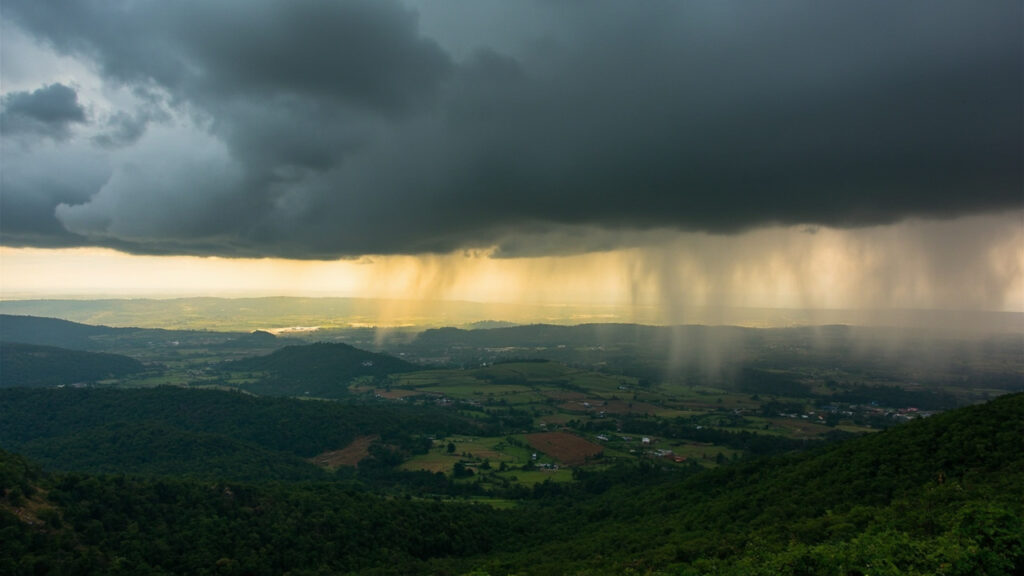
El Niño is a recurring climate phenomenon driven by the warming of surface waters in the central and eastern Pacific Ocean. Its effects ripple across the globe, disrupting rainfall patterns and temperature norms far from the tropics. For East Africa, and Kenya in particular, an El Niño episode is typically associated with wetter-than-average conditions during the October-to-December short rains season, raising the risk of flooding in lowland areas and landslides in highland regions.
Kenya has experienced several severe El Niño events in past decades. The 1997-1998 episode remains the most damaging on record, causing widespread flooding, the displacement of communities, and serious damage to infrastructure and farmland across the country. More recent El Niño years have also produced heavier-than-usual rainfall, though the intensity has varied. Each event has underscored how exposed parts of the country remain to extreme weather.
The WMO, a specialised agency of the United Nations based in Geneva, regularly monitors climate indicators and issues global seasonal forecasts. Its warnings are used by national meteorological services and disaster management agencies to prepare for potential impacts. In Kenya, the Kenya Meteorological Department works alongside international partners to track evolving conditions and advise the public.
A confirmed El Niño would prompt renewed attention to flood preparedness, food security, and the management of dams and rivers. Authorities typically urge residents in flood-prone zones to move to higher ground and call on farmers to adjust planting cycles in anticipation of unusual rainfall. The exact strength and duration of the developing El Niño have not yet been confirmed, and meteorologists continue to monitor Pacific Ocean conditions.
Sources
This report was written from coverage published by the following news organisations. Follow the links for the original reporting.
- The Kenya Times — World Weather Body Warns of Strong El Niño in Kenya