South Africa’s migrant policy contradicts its African trade ambitions

The Africa Report has framed South Africa’s record on African migration as a “$30bn contradiction,” arguing that the country cannot simultaneously export goods worth tens of billions of dollars across the continent while tolerating violence against African migrants on its own soil.
The publication’s commentary describes the hostility directed at African migrants in South Africa as “morally indefensible” and “intellectually lazy,” part of a long-running debate over xenophobia in the country.
South Africa, the continent’s most industrialized economy, has long attracted migrants from across sub-Saharan Africa. Citizens of neighbouring states such as Zimbabwe, Mozambique, and Lesotho, alongside nationals from countries including the Democratic Republic of the Congo, Nigeria, and Somalia, have settled in South African cities in search of economic opportunities.
Periodic outbreaks of xenophobic violence in South African townships and urban areas have repeatedly drawn condemnation from governments across the continent, from the African Union, and from civil society organisations. The episodes have also fuelled domestic debate about post-apartheid inequality, unemployment, and the country’s obligations to fellow Africans.
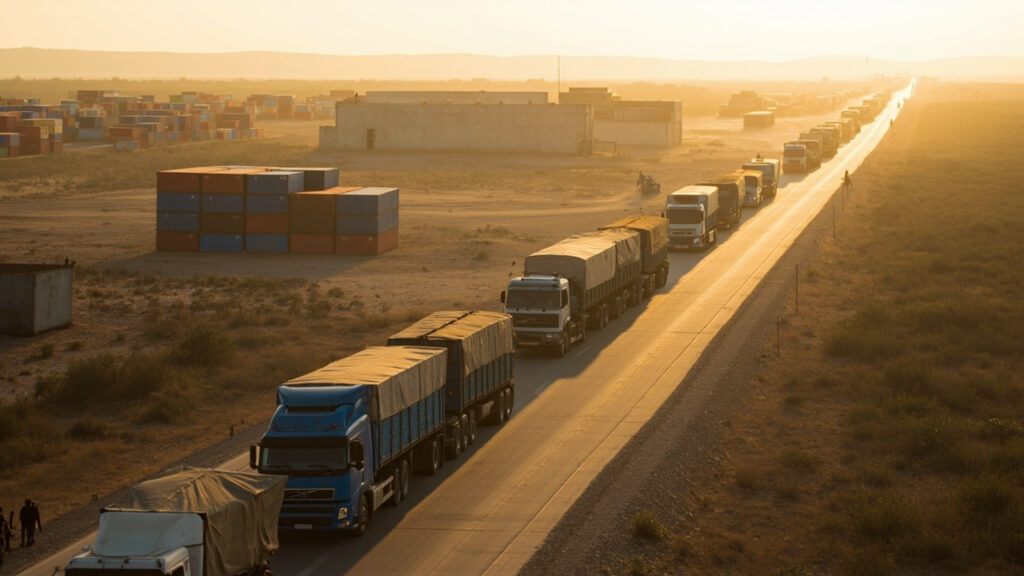
At the same time, South African companies in retail, telecommunications, banking, and mining operate extensively across the continent. The economic interdependence is significant: South African supply chains stretch into most neighbouring economies, and trade flows connect South African cities to commercial hubs from Lagos to Nairobi.
The African Continental Free Trade Area, which entered into force in 2021, was designed in part to deepen commercial and labour mobility across the continent. South Africa was among the early signatories.
The Africa Report’s commentary highlights the tension between this economic footprint and the treatment of African migrants in South Africa, arguing that the situation undermines the rhetoric of continental integration and African solidarity that South Africa has publicly championed.
Sources
This report was written from coverage published by the following news organisations. Follow the links for the original reporting.