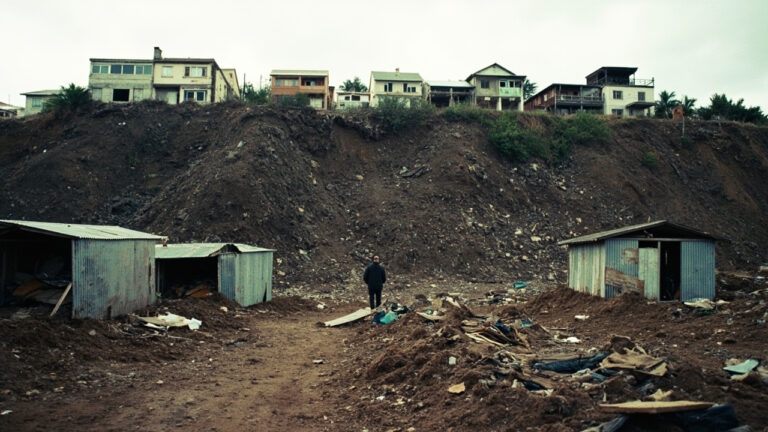
Sudan farmers squeezed as distant Middle East war lifts fuel and fertilizer costs

Sudanese farmers are facing a fresh squeeze on their livelihoods as the war in Iran drives up the cost of fuel and fertilizer, according to Africanews. The price shock, felt thousands of kilometres from the battlefield, is landing on a country already enduring what aid agencies have described as one of the world’s worst humanitarian emergencies.
A backbone of the economy under pressure
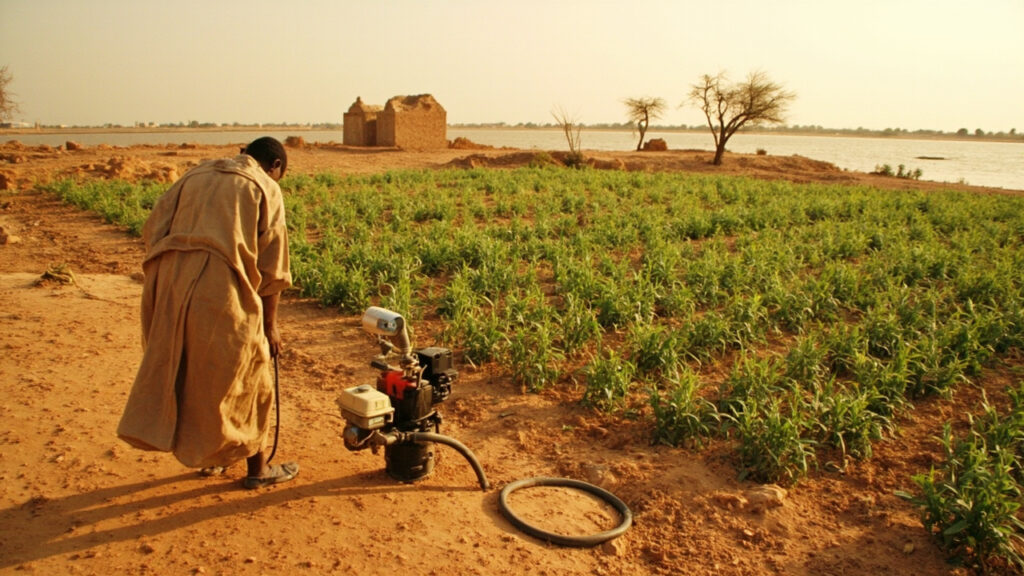
Agriculture has long been a backbone of the Sudanese economy, with the majority of the population relying on farming for food and income. The country’s riverain stretches along the Nile and its rain-fed southern belt produce sorghum, millet, sesame and groundnuts that supply both domestic markets and export channels.
The fighting in the Middle East, however, is reshaping the global energy and fertilizer markets on which Sudanese farmers depend. Diesel powers the pumps, tractors and irrigation systems that bring crops to harvest, while nitrogen-based fertilizers — of which Iran is a major global producer and exporter — feed the soil. As those prices climb, the input costs facing smallholders rise with them.
A country already in crisis
The economic pressure arrives at a particularly difficult moment for Sudan. Since the outbreak of internal war between the Sudanese Armed Forces and the paramilitary Rapid Support Forces in April 2023, large parts of the country have seen commerce disrupted, harvests reduced and millions displaced from their land. International humanitarian organisations have repeatedly warned of acute food insecurity across multiple regions, including famine conditions in parts of Darfur.
As Africanews has reported, the war’s secondary effects on shipping through the Red Sea and on global oil markets have compounded these existing difficulties. Sudan’s own role as a former oil exporter has been heavily diminished since production collapsed following internal fighting, leaving the country more exposed to international price swings than at almost any point in its recent history.
What rising costs mean on the ground

For farmers, even modest increases in fuel and fertilizer prices can change the mathematics of a season. Planting less, switching to cheaper seed varieties or skipping fertilizer altogether can all translate into lower yields at a time when food supplies are already stretched. Traders, transporters and consumers in Sudan’s towns and cities are also exposed to the same cost pressures, with the price of bread and other staples closely watched as a barometer of household welfare.
Aid agencies have pointed to the cascading effect of distant conflicts on fragile food systems, noting that the countries least responsible for global instability are often the first to bear its cost in their markets and on their plates.
Looking ahead
With the conflict in Iran showing no clear sign of resolution, fuel and fertilizer markets are expected to remain volatile in the near term. For Sudanese farmers preparing their fields, the implication is a season of difficult choices — between planting, fertilising and harvesting at a scale they can no longer sustain without external support. The coming harvests will offer one of the first measurable indications of how far a war on the other side of the region has reached into Sudan’s fields.
Sources
This report was written from coverage published by the following news organisations. Follow the links for the original reporting.