Liberia’s Ma Juah Health Center Brings Essential Care to Rural Margibi County
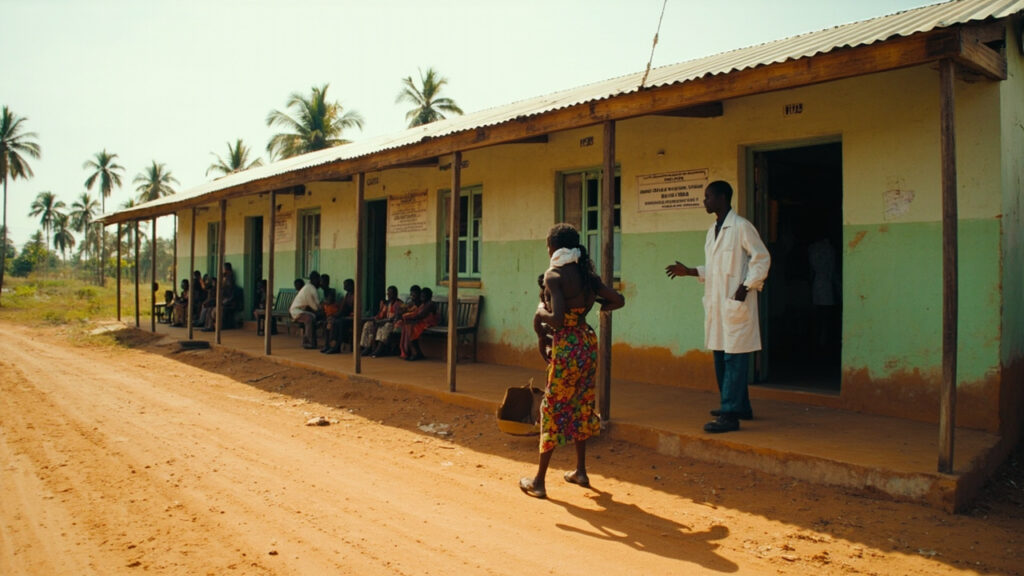
For hundreds of residents from more than thirty communities along the Roberts International Airport (RIA) Highway in Margibi County, a routine medical check-up is often a luxury rather than a necessity, as the Liberian Observer reported. The Ma Juah Health Center represents one of the most tangible efforts to narrow that gap between rural households and basic clinical care.

Liberia’s healthcare system has long been under-resourced, a challenge compounded by the civil wars of 1989 to 2003 that destroyed much of the country’s medical infrastructure. The 2014–2016 West African Ebola outbreak, which killed more than 4,800 people, exposed the fragility of rural clinics and the shortage of trained health workers. Since then, the government, working with international partners including the World Health Organization and UNICEF, has sought to rebuild a network of community health centers that bring essential services closer to where people live.
The rural access challenge
For villages clustered along the RIA Highway — the main road linking Monrovia to Liberia’s principal international airport — the nearest hospital is often hours away by motorbike or shared taxi, and roads become difficult to navigate during the rainy season. Community-level facilities staffed by nurses, midwives and community health workers are designed to ease that burden by handling routine consultations, vaccinations, antenatal visits and basic emergency care.
A wider push for primary care
The expansion of facilities such as Ma Juah fits within a broader national strategy to strengthen primary healthcare, particularly maternal and child services, in counties outside Monrovia. While staffing gaps, drug shortages and limited laboratory capacity remain, community health centers have become a focal point for donor support and government investment.
For the communities served by Ma Juah, the practical effect is straightforward: the distance between home and a trained health worker has grown shorter, and a routine check-up is becoming less of a luxury.
Sources
This report was written from coverage published by the following news organisations. Follow the links for the original reporting.