Pesticide-sprayed tomatoes suspected in deaths of 15 elephants in southern Kenya
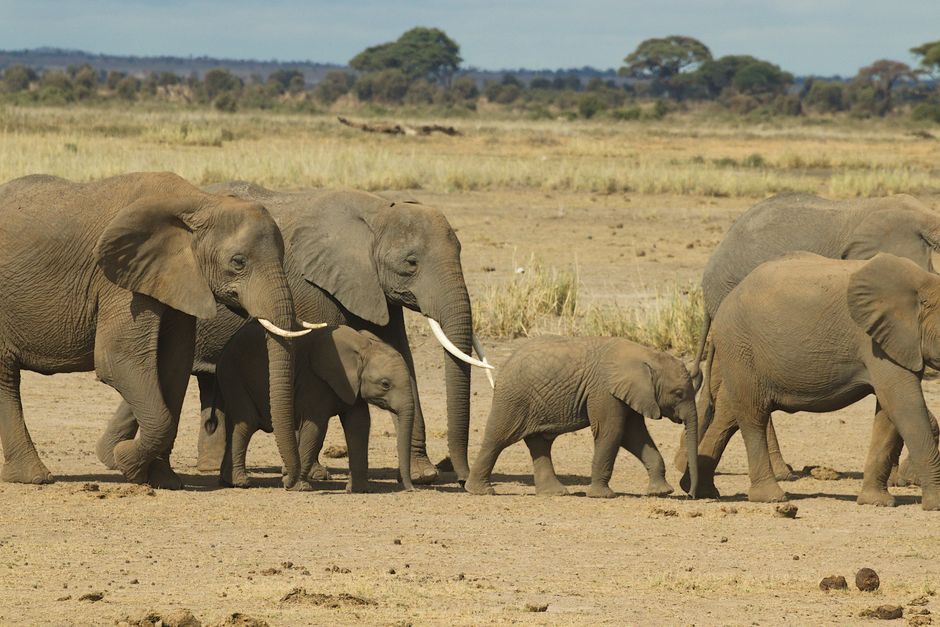
Fifteen elephants have been found dead in a southern Kenyan conservancy, in what officials describe as the largest single wildlife mortality event in the area in decades. Early investigations point to pesticide contamination rather than poaching as the likely cause, raising fresh concerns over the intersection of agriculture and wildlife conservation in the region.
According to conservation authorities monitoring the case, the elephants were found in and around a community conservancy known for hosting large herds. Rangers and veterinarians who examined the carcasses reported no signs of bullets, snares or other indicators of foul play. Instead, the working hypothesis centres on tomatoes that may have been treated with agricultural chemicals and discarded near a route the elephants frequently use.
How pesticide poisoning affects elephants
Elephants are particularly vulnerable to toxin ingestion because of their size, their tendency to raid farms and rubbish sites, and their habit of consuming large quantities of food and water in a single sitting. When an animal of that mass ingests even modest quantities of a potent organophosphate or carbamate pesticide, the consequences can be swift and fatal. Symptoms typically include tremors, excessive salivation, convulsions and respiratory failure, often leading to death within hours.
Wildlife veterinarians in Kenya have previously documented cases in which vultures, hyenas and smaller mammals have died after scavenging on chemically treated crops or livestock carcasses. The current incident, however, stands out for the number of elephants killed in a single event and for the suspicion that farm produce — rather than a predator-control campaign — was the source.
Community conservancies and the human-wildlife boundary
The area where the deaths occurred lies within a community conservancy model that has become a cornerstone of wildlife management in southern Kenya. Such conservancies are designed to balance the needs of local pastoralist and farming communities with the protection of migratory species, including elephants that move between protected areas in search of food and water. The shared landscape, while economically valuable, regularly brings wildlife into contact with cultivated fields and discarded agricultural waste.
Conservation groups working in the region have long warned that the misuse or careless disposal of agricultural chemicals poses a growing threat to wildlife, particularly in areas where formal regulation of pesticides is difficult to enforce. Calls have grown for tighter controls on the sale of certain compounds and for community awareness campaigns about the dangers of leaving treated produce within reach of animals.
Investigation continues
Samples collected from the dead elephants have been sent for laboratory analysis to confirm the presence and identity of any toxic substances. Wildlife officials have also appealed to farmers in the surrounding areas to refrain from dumping crop waste in open spaces and to ensure that any chemicals used on their fields are stored securely. Rangers have stepped up patrols in the conservancy to monitor remaining herds and to deter any potential retaliatory action by affected communities.
The deaths come at a sensitive time for elephant conservation in Kenya, which has previously been hailed as a success story for the species after years of anti-poaching efforts. While Kenya’s overall elephant population has shown signs of recovery in recent national surveys, localised losses of this scale underscore how vulnerable individual herds remain to threats beyond poaching — including those arising from the everyday activities of the communities living alongside them.
Source: BBC News — read the original report.