DRC Health Workers Describe Hardship and Unpaid Wages as Ebola Outbreak Resurges

Health workers on the front lines of the Democratic Republic of the Congo’s latest Ebola outbreak say they are confronting a deepening crisis marked by unpaid wages, persistent danger of infection and, in some cases, violent hostility from the communities they are trying to protect. Their accounts, gathered from responders in affected areas, paint a picture of a fragile response stretched thin by overlapping challenges.
Unpaid salaries and dwindling morale
For many of the medical staff and community health volunteers involved in outbreak response, the struggle is not only clinical but financial. Several workers have reported going months without receiving the salaries or stipends they were promised when they signed up to join the response effort. The resulting economic pressure, they say, has made it difficult to continue showing up to high-risk postings where the threat of contracting the virus is a daily concern. The combination of delayed pay and dangerous working conditions has eroded morale at a moment when sustained vigilance is most needed.
Risk of infection in the line of duty
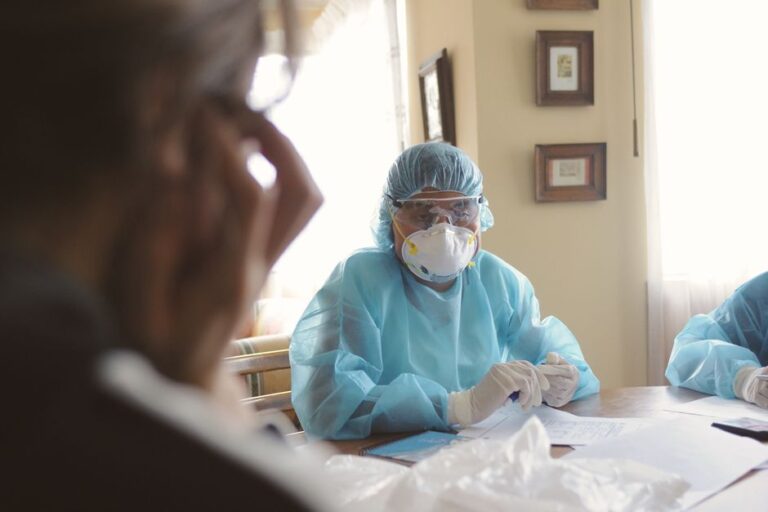
Ebola, a severe viral hemorrhagic fever, remains one of the deadliest infectious diseases known, and frontline responders face repeated exposure as they triage patients, collect samples and manage safe burials. Even with protective protocols and training, the risk of accidental infection is never fully eliminated, particularly in settings where resources are limited. Health workers interviewed for recent reporting described the emotional toll of working in personal protective equipment for long hours, knowing that a single lapse could be fatal.
Community mistrust and violent confrontations
Beyond the biological threat, responders say they have also faced anger from local populations who are wary of outsiders, skeptical of medical interventions or devastated by the loss of loved ones. Incidents in which health teams have been confronted, chased away or physically attacked have been reported in several outbreak zones. Such episodes not only endanger staff but also disrupt critical activities like contact tracing, vaccination drives and the safe handling of the dead, all of which are considered essential to containing the virus.
A strained humanitarian response
The renewed outbreak adds to a difficult wider humanitarian picture in eastern DRC, where armed conflict, mass displacement and limited infrastructure complicate the delivery of health services. International agencies and local authorities have struggled to mount the kind of coordinated response that helped bring previous Ebola epidemics under control. Analysts warn that without swift action to address both the material needs of frontline workers and the trust deficit with affected communities, efforts to stamp out the outbreak risk falling short.
As the situation develops, the voices of the health workers themselves are likely to remain central to understanding the human cost of the response, and to shaping the kind of support that could make their work both safer and more sustainable.
Source: Al Jazeera — read the original report.