Jailed Tunisian opposition leader Ghannouchi faints in prison amid heatwave
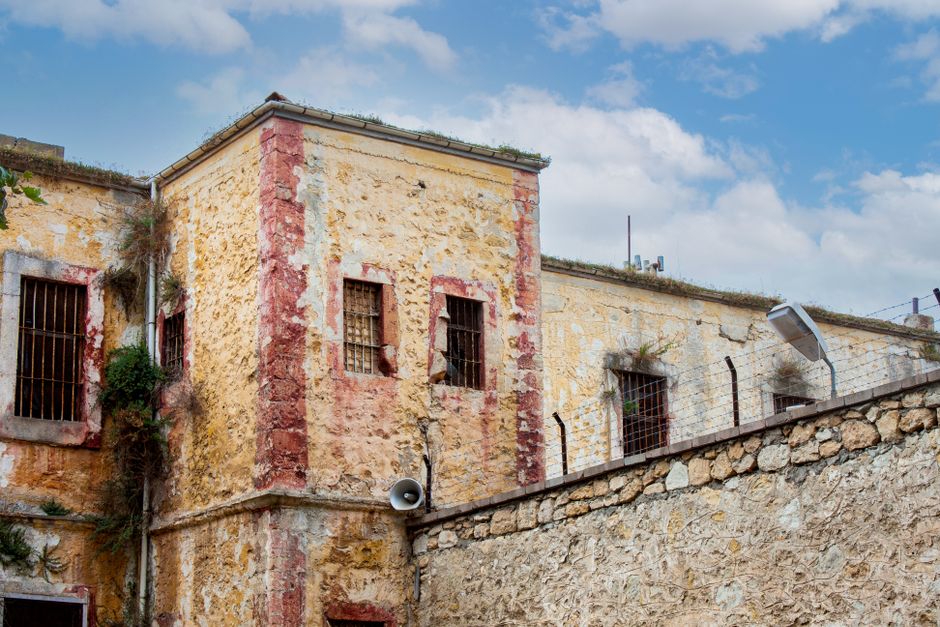
Rached Ghannouchi, the jailed head of Tunisia’s Ennahda movement, reportedly fainted inside his prison cell this week as a severe heatwave continued to grip much of North Africa. The incident has drawn fresh attention to conditions faced by political detainees in the country and to the broader vulnerability of inmates during periods of extreme temperatures.
The incident
According to accounts that emerged from inside the facility, Ghannouchi lost consciousness because of the heat. The episode was witnessed by the daughter of Ahmed Nejib Chebbi, another well-known political figure held in detention, who reportedly raised the alarm after seeing her fellow inmate collapse. No official statement on the opposition leader’s medical condition was immediately available.
Background on the detainees
Ghannouchi, a long-time figure in Tunisian politics and the president of the Ennahda movement, has been held in prison in the context of a broader crackdown on opposition figures since 2023. Chebbi, a former leftist activist and one of the country’s most recognised opposition voices, has also been detained in recent years. Both men are among several political leaders whose imprisonment has drawn criticism from human rights organisations and foreign governments.
Concerns over prison conditions
The reported fainting comes as countries across the Mediterranean and North Africa experience unusually high summer temperatures, with heatwaves becoming more frequent and intense. Prisons in the region are often criticised for overcrowding and for inadequate ventilation and cooling, conditions that medical experts say can pose serious risks to older detainees and those with underlying health conditions. Rights groups have repeatedly called on Tunisian authorities to ensure that prisoners receive adequate medical care and are held in conditions that meet basic humanitarian standards.
Political context
Tunisia has been accused by international watchdogs of steadily narrowing political space since President Kais Saied’s moves to consolidate power. The detention of senior opposition figures, including Ghannouchi, has become a focal point for criticism from organisations monitoring democratic backsliding in the country. Calls for the release of political prisoners have come from a range of diplomatic and civil society actors in recent years.
The reported incident is likely to intensify those calls. Advocacy groups are urging Tunisian authorities to provide transparent information about the health and treatment of detainees, particularly during extreme weather events, and to ensure that humanitarian standards are upheld inside the country’s prisons.
Source: Al Jazeera — read the original report.