Madagascar: A Crucible of Biodiversity and a Conservation Crossroads
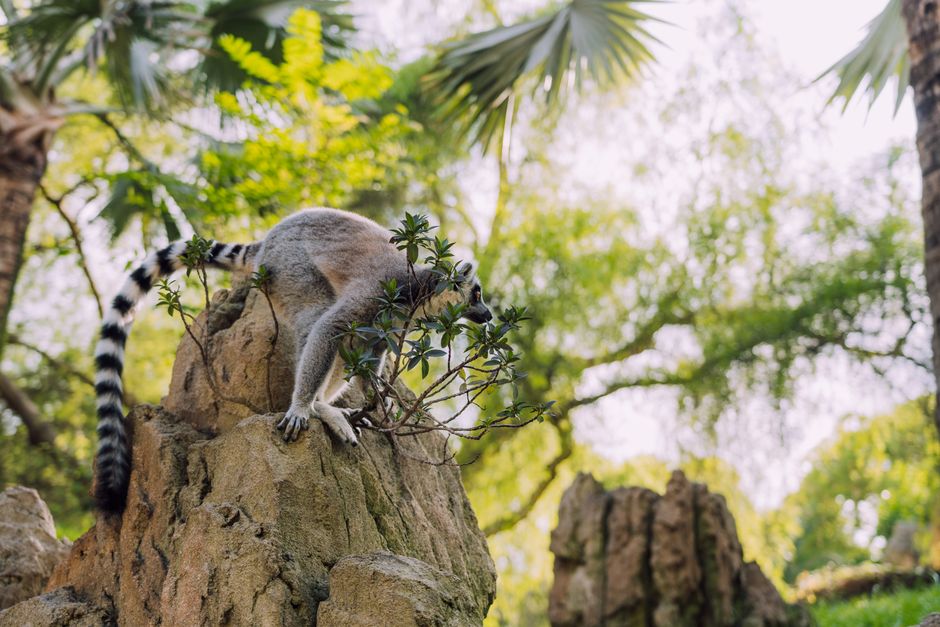
Madagascar, the large island nation off the southeastern coast of Africa, stands as one of the planet’s most significant reservoirs of life, hosting a proportion of global biodiversity found almost nowhere else on Earth. Its separation from the African continent for more than 150 million years has produced an evolutionary laboratory whose forests, rivers, and coastlines harbour an extraordinary range of species found only within its borders.
An Island of Endemic Species
The island is estimated to be home to thousands of plant and animal species found nowhere else, including the iconic lemurs, a diverse group of primates that have become emblematic of Madagascar’s natural heritage. Beyond lemurs, the country supports unique populations of reptiles, amphibians, birds, and insects, many of which have evolved in isolation and play critical roles in the functioning of local ecosystems. The lush rainforests of the east, the spiny forests of the south, and the dry deciduous woodlands of the west each contribute to a mosaic of habitats that sustain this remarkable variety of life.
Pressures on a Fragile Environment
Despite its ecological wealth, Madagascar faces serious environmental pressures. Deforestation driven by slash-and-burn agriculture, charcoal production, and the expansion of mining activities has reduced forest cover significantly over recent decades. Habitat loss, climate change, and unregulated wildlife trade continue to threaten many endemic species, some of which are already classified as critically endangered. These challenges are compounded by widespread poverty, which often places short-term economic needs in direct conflict with long-term environmental goals.
An Opportunity for Global Leadership
Conservation advocates have argued that Madagascar possesses a rare opportunity to position itself as a global leader in the protection of biodiversity. By strengthening protected areas, investing in sustainable land-use practices, and developing eco-tourism, the country could transform its natural capital into a foundation for both economic development and ecological preservation. International partnerships and funding mechanisms have already supported important initiatives, but observers stress that sustained political will and local community engagement will be essential to ensure long-term success.
The Path Forward
As global attention turns increasingly toward the protection of ecosystems under mounting environmental strain, Madagascar’s choices carry implications that extend far beyond its own shores. The species and habitats found on the island represent an irreplaceable part of the natural world, and their survival will depend on a combination of national commitment and international cooperation. The opportunity to lead in conservation, observers note, is significant, and the cost of inaction would be felt across generations.
Source: AllAfrica — read the original report.