Ghanaian Political Figure Sentenced to 20 Years in Prison for Illegal Mining
A prominent Ghanaian political figure has been sentenced to 20 years in prison for his involvement in illegal mining, a verdict that has stirred strong reactions across the West African nation. Bernard Antwi Boasiako, widely known by his political alias “Chairman Wontumi,” was also fined more than $10,000 (£7,450) in addition to the lengthy prison term.
Reaction to the Verdict
The ruling has triggered widespread shock and anger, particularly among supporters of the politician, who has held significant influence within Ghana’s political landscape. Critics of illegal mining have, however, welcomed the court’s decision as a signal that no individual — regardless of political standing — is beyond the reach of the law. Public debate has intensified on social media and in local communities, where the case has come to symbolise broader frustrations with impunity linked to environmental destruction.
The Issue of Galamsey
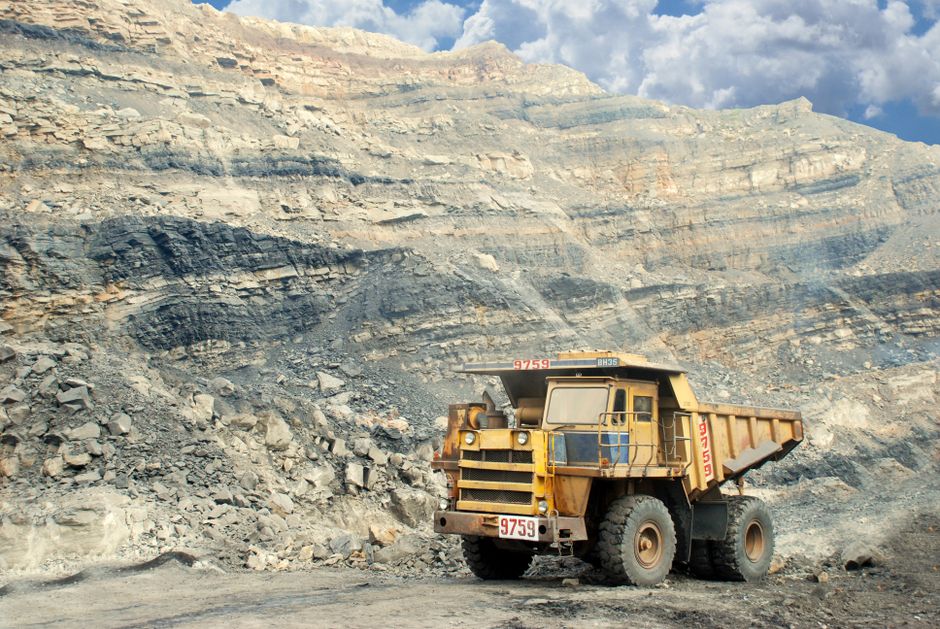
Illegal mining, commonly referred to in Ghana as “galamsey,” has long been a source of national concern. The practice involves unlicensed extraction of gold and other minerals, often carried out in riverbeds, forest reserves, and protected areas. Environmental experts and civil society groups have repeatedly warned that galamsey contributes to the pollution of major rivers, the degradation of forests, and the destruction of farmlands, posing serious threats to public health and biodiversity.
Successive Ghanaian governments have pledged to crack down on the practice, deploying security forces and dismantling illegal mining sites. Despite these efforts, the persistence of galamsey has been attributed in part to the involvement of politically connected individuals who allegedly protect or finance unlicensed operations.
Broader Implications
Analysts suggest that the high-profile conviction could mark a turning point in Ghana’s efforts to combat illegal mining, particularly if it is seen as part of a wider, impartial application of the law. Legal observers have also pointed to the case as a test of judicial independence, given the political profile of the accused. Whether the sentence is successfully enforced or becomes the subject of appeal remains to be seen, but the ruling has already sparked a national conversation about accountability, environmental stewardship, and the influence of money in politics.
As Ghana continues to grapple with the environmental and social costs of unregulated mining, the court’s decision is likely to remain a focal point in the country’s ongoing debate over how best to balance economic activity with the protection of natural resources.
Source: BBC News — read the original report.
More From Africa

Traffic officers arrested in Nigeria over alleged bribery attempt targeting anti-corruption chief
Nigeria’s recurring boat disasters highlight chronic safety failures on inland waterways