South Africa Rolls Out Shingrix Shingles Vaccine Amid Questions Over Possible Brain-Health Benefits
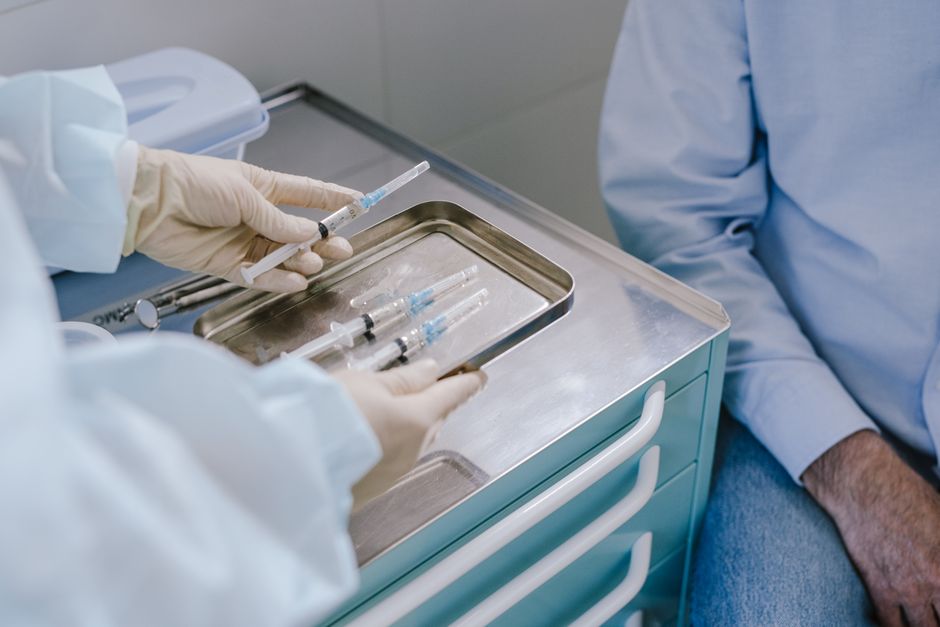
South Africa has introduced Shingrix, a recombinant shingles vaccine, expanding access to a shot that has been available in wealthier markets for years and prompting renewed attention to emerging research suggesting it could help protect against dementia in older adults.
A vaccine against a familiar — and painful — threat
Shingles, caused by the reactivation of the varicella-zoster virus that also produces chickenpox, tends to strike people over 50, when immunity carried over from childhood begins to wane. The condition is marked by a blistering rash and, in many cases, lingering nerve pain that can last for months. Health authorities recommend vaccination as the most reliable way to reduce both the risk of developing shingles and the severity of complications.
Shingrix has been shown in clinical trials to be highly effective at preventing shingles and the nerve pain that can follow, and is now considered the preferred option in many countries that previously used an older live-attenuated vaccine. The South African launch brings the country in line with global practice, though uptake will depend heavily on price and supply.
The dementia question
Beyond its intended use, scientists have spent several years examining whether shingles vaccination might also lower the risk of dementia. Several large observational studies have reported lower rates of dementia diagnoses among people who received a shingles vaccine compared with those who did not, and researchers have proposed several biological explanations, including reduced inflammation and fewer episodes of viral reactivation in the nervous system.
The findings are promising but not conclusive. Most of the evidence so far comes from studies that compare groups of vaccinated and unvaccinated people rather than from randomised controlled trials designed specifically to test whether the vaccine prevents cognitive decline. Researchers caution that healthier, wealthier individuals are generally more likely to get vaccinated, which could partly explain the apparent benefit. Clinical trials designed to answer the dementia question more directly are ongoing.
Cost and access
The vaccine’s price tag is widely regarded as its biggest barrier. Shingles vaccines tend to be considerably more expensive than routine immunisations, and in South Africa, where private healthcare is concentrated among a relatively small share of the population, access will largely depend on medical aid coverage and out-of-pocket spending. Public sector rollout at scale would require budgetary decisions that have not yet been announced.
Advocates argue that even a modest reduction in dementia cases could ease a growing burden on families and health systems, since cognitive decline is among the most resource-intensive conditions to manage in ageing populations. Sceptics counter that any potential brain-health benefit remains unproven and should not be used to justify public spending on the vaccine until stronger evidence emerges.
What patients should know
For older South Africans weighing whether to be vaccinated, the clearest message from clinicians is that the protection against shingles itself is well established. Anyone who has had chickenpox remains at risk, and the risk rises sharply with age. Medical professionals generally recommend that eligible adults discuss the vaccine with their doctor, particularly those with chronic conditions that increase the likelihood of severe complications.
Whether Shingrix will one day be recommended as much for the brain as for the skin remains an open question — but its arrival in South Africa has at least put that conversation on the table.
Source: AllAfrica — read the original report.