DRC Scales Up Ebola Treatment Capacity in Ituri Province as Outbreak Spreads
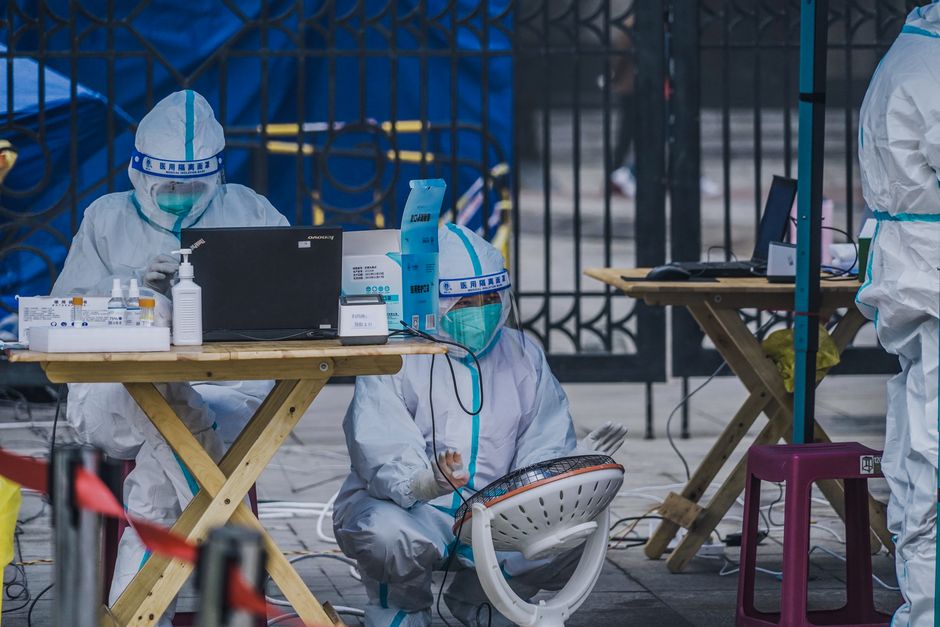
Health authorities in the Democratic Republic of the Congo are expanding treatment capacity in Ituri province as they work to contain an Ebola outbreak caused by the Bundibugyo virus. Patient care infrastructure has been significantly reinforced in recent weeks to respond to the evolving demands of the epidemic, according to reports from the affected region.
Strengthening Treatment Infrastructure
Medical teams operating in the affected areas have moved to adapt existing facilities to accommodate a growing number of patients. The shift reflects the challenges health workers face when responding to viral hemorrhagic fever outbreaks in remote or resource-limited settings, where rapid scale-up of clinical services can be a matter of life and death. Ebola treatment centers typically require strict infection prevention protocols, isolated patient wards, and trained personnel equipped with appropriate protective gear.
About the Bundibugyo Virus
The Bundibugyo strain of the Ebola virus was first identified in Uganda in 2007 and has since caused several outbreaks in Central Africa. While it belongs to the same family of filoviruses as the more widely known Zaire ebolavirus, the Bundibugyo strain has historically shown distinct epidemiological characteristics, including different case fatality rates and transmission patterns. Outbreaks in the DRC have periodically tested the country’s preparedness and the capacity of its public health system to mount a coordinated response.
Regional and International Response
Ebola outbreaks in the DRC have frequently drawn on support from international organizations, including the World Health Organization, Médecins Sans Frontières, and various United Nations agencies. These partnerships typically provide critical technical expertise, laboratory capacity for diagnostic confirmation, and supplies necessary for safe patient care. Community engagement has also emerged as a central pillar of effective responses, helping to address public mistrust and encourage early reporting of suspected cases.
Ongoing Challenges
Containing Ebola outbreaks in the DRC has often been complicated by factors including population movement across borders, limited access to affected communities, and the strain placed on local health systems that must simultaneously address other endemic diseases such as malaria and cholera. Continued vigilance and adaptive case management remain essential as authorities work to bring the current outbreak under control.
Health officials have stressed the importance of early detection, contact tracing, and vaccination campaigns in limiting the spread of the virus. As treatment facilities in Ituri continue to adjust to the demands of the evolving outbreak, the response serves as another test of the region’s capacity to confront one of the world’s most dangerous pathogens.
Source: Africanews — read the original report.