Enrollment Crisis Threatens Closure of Thousands of Rural Primary Schools in Kenya
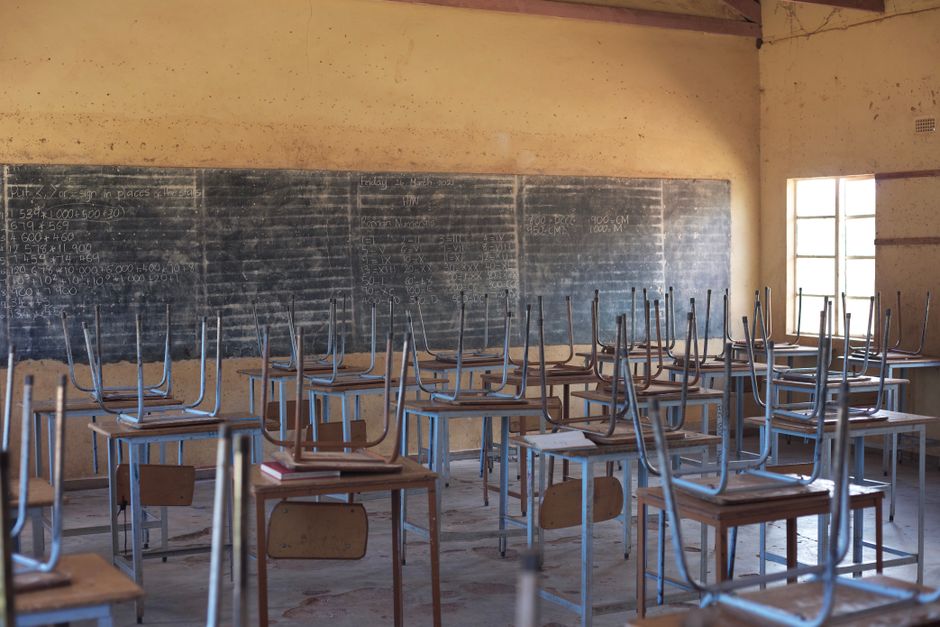
More than 2,000 primary schools across rural Kenya are facing the prospect of closure as enrollment figures continue to decline, leaving education officials grappling with the future of basic schooling in some of the country’s most sparsely populated areas. In certain communities, the number of pupils now falls below the number of livestock kept by nearby families, underscoring the scale of the demographic shift reshaping the countryside.
A Shrinking Rural Population
The trend reflects long-standing patterns of rural-to-urban migration, as families move in search of economic opportunities in cities such as Nairobi, Mombasa and Kisumu. Pastoralist and farming communities have been particularly affected, with younger generations often relocating to urban centres or seeking work in other regions. As households shrink and disperse, the cohort of children entering the school system in many rural counties has dwindled significantly.
Impact on Communities
School closures carry consequences that extend beyond the education sector. In many rural Kenyan villages, the local primary school functions as a community anchor, hosting meetings, health outreach programmes and civic activities. The loss of a school can accelerate outmigration, weaken local governance structures and place additional pressure on families who must travel longer distances to find alternative classrooms for their children.
Government Response
Kenya’s Ministry of Education has acknowledged the challenges facing under-enrolled institutions and has previously outlined policies aimed at consolidating small schools while ensuring access to learning. Discussions have included measures such as merging schools, deploying teachers more flexibly across institutions, and investing in early childhood centres to attract younger learners. Yet implementation has often been complicated by logistical hurdles, funding constraints and the geographic isolation of the affected communities.
Broader Questions for the Education System
The current wave of potential closures has reopened a wider debate about how Kenya can balance universal access to primary education with the realities of demographic change. Policymakers, educators and parents alike face difficult choices about whether to preserve small schools at significant cost or to redirect resources toward fewer, better-equipped institutions. The outcome of these decisions is likely to shape the educational landscape of rural Kenya for years to come.
For families in the affected areas, the immediate concern remains ensuring that children are not denied the right to education even as the schools closest to home come under threat.
Source: BBC News — read the original report.