Algeria begins vote count after parliamentary polls marked by low turnout and boycott calls
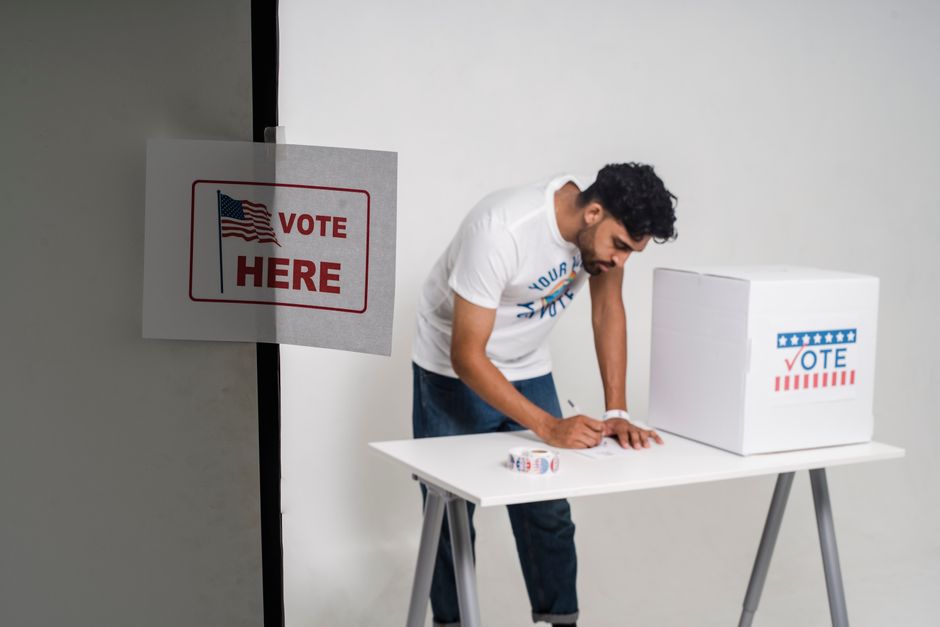
Algerian authorities have begun counting ballots following parliamentary elections held across the country, with early indications pointing to low voter turnout amid widespread public frustration over economic conditions and the disqualification of several opposition figures from the race.
A muted electoral atmosphere
The vote, which took place against a backdrop of mounting cost-of-living concerns, unfolded in a largely subdued atmosphere. Long queues were rare at many polling stations, and preliminary reports suggested that turnout figures could fall well below those recorded in previous legislative contests. Disillusionment with the political class and concerns over the cost of living have weighed heavily on public sentiment in recent months.
Exclusion of critical voices
Observers noted that the electoral process had been shaped in part by the rejection of candidacy files belonging to figures known for their criticism of the government. The decisions, taken by the country’s electoral commission ahead of polling day, drew condemnation from civil society groups and parts of the political opposition, who argued that the exclusions narrowed the democratic space available to voters.
Dominant parties watch closely
The ruling establishment, anchored by long-established parties, was widely expected to retain its parliamentary majority, even as the shape of the new legislature remained uncertain. Attention now turns to whether the authorities will respond to the signals sent by low participation and to the cost-of-living concerns that animated much of the pre-election discourse.
What happens next
Final results are expected in the days following the close of polls, with the electoral authority tasked with publishing official turnout figures alongside seat allocations. The composition of the next parliament will be closely watched both domestically and abroad, as analysts assess whether the legislature will be positioned to address the structural economic challenges facing the country or whether political tensions will continue to simmer beneath the surface.
Source: Africanews — read the original report.
More From Politics & Governance
U.S. House Passes Bill Linking Nigerian Foreign Aid to Protection of Christian Communities

Ethiopia Launches National Dialogue Conference in Addis Ababa