DR Congo Ebola outbreak surpasses 400 deaths as virus reaches Kisangani
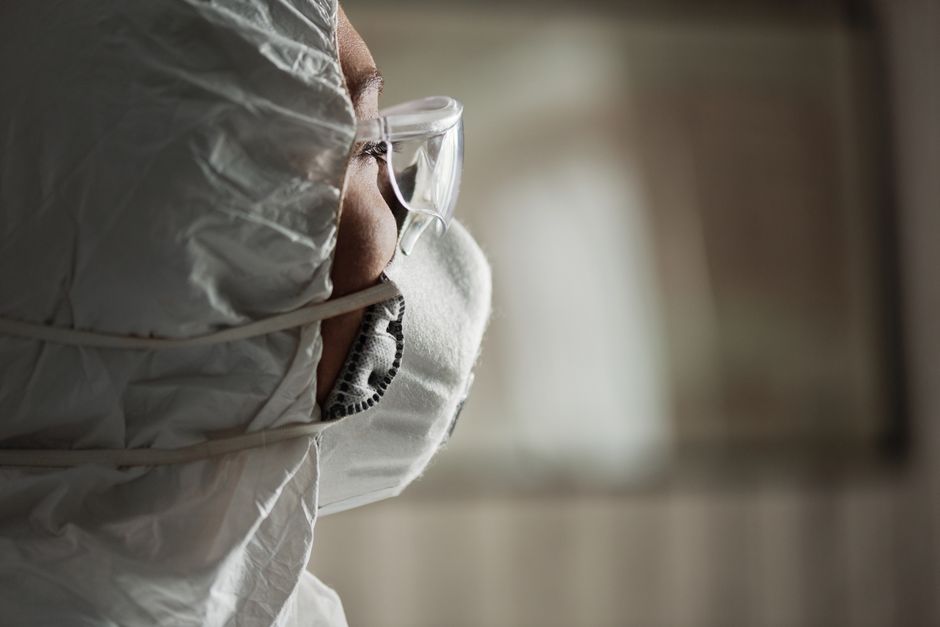
An Ebola outbreak in the Democratic Republic of Congo has killed more than 400 people, health authorities have confirmed, amid growing concern that the virus has reached Kisangani, one of the country’s major cities. The confirmation of a first case in Kisangani, hundreds of kilometres from the epidemic’s epicentre in the northeast, marks a significant escalation in a crisis that shows no sign of slowing.
An epidemic that keeps spreading
Since the outbreak was officially declared, the virus has moved steadily through communities in northeastern DRC, complicating the work of health teams tasked with identifying cases, tracing contacts and conducting safe burials. Authorities have struggled to contain transmission across a vast and often insecure region, where infrastructure is limited and humanitarian access can be difficult.
Kisangani case raises the stakes
The detection of an Ebola case in Kisangani — a large urban centre on the Congo River — has heightened concerns that the virus could travel further along the country’s busy trade and transport networks. Urban settings present distinct challenges for containment, given higher population density and the complexity of tracing contacts across a sprawling city.
A familiar and formidable enemy
Ebola virus disease, a severe haemorrhagic fever first identified in what is now DR Congo in 1976, has triggered multiple outbreaks in the country over the decades. International health partners have supported the response with medical teams, supplies and the use of vaccines developed in recent years. Yet each new outbreak tests the limits of the country’s health system, already strained by years of conflict and humanitarian crisis in the east.
What lies ahead
Containing the outbreak will require sustained coordination between national authorities, international organisations and local communities, particularly in areas where access remains challenging. The arrival of the virus in Kisangani is likely to intensify that response, as health workers race to identify contacts, isolate suspected cases and reassure a population that has grown accustomed to emergency after emergency.
Source: FRANCE 24 — read the original report.