Algerians vote in parliamentary elections amid expected low turnout, seven years after Hirak protests
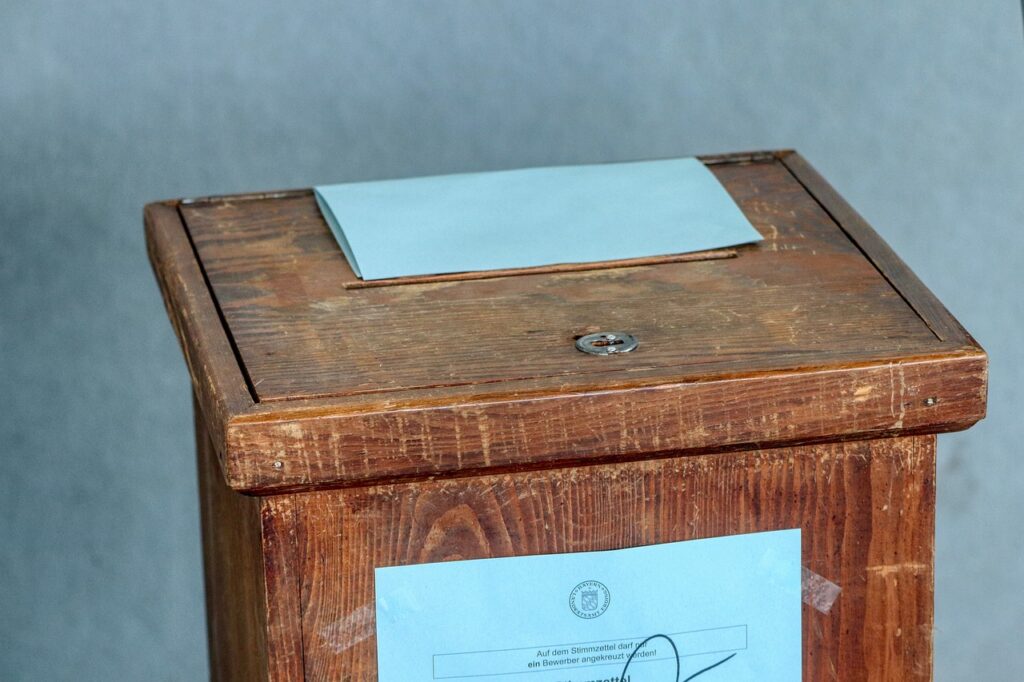
Algerians are going to the polls on July 2 to elect a new parliament, seven years after the pro-democracy Hirak movement upended the country’s political landscape. While no major opposition party has called for an organized boycott this time, analysts and observers expect turnout to remain depressed as voters continue to express frustration with the political class.
A legacy of protest and disillusionment
The Hirak protests, which erupted in 2019, brought millions of Algerians into the streets demanding sweeping political change. The movement forced longtime president Abdelaziz Bouteflika from power and reshaped public debate around governance, corruption and accountability. Yet in the parliamentary elections that followed, only about 23 percent of voters cast ballots, with many abstaining deliberately to signal their discontent with the political offer on offer and several opposition parties opting to boycott the vote altogether.
A quieter campaign trail
Heading into this latest vote, the campaign has played out largely without the mass mobilization that defined previous cycles. Participation from opposition movements has been uneven, but unlike the previous election, there has been no widely coordinated call to stay away from the polls. Still, observers in Algiers say cynicism runs deep among ordinary voters, particularly younger Algerians who came of age during the Hirak and remain skeptical that the ballot box can deliver meaningful change.
What the vote could signal
Low turnout would not necessarily invalidate the election, but it would underscore the persistent gap between citizens and the institutions that emerged from the Hirak era. Analysts say the result will be closely watched as an indicator of public engagement with the formal political process, particularly among the youth and civil society movements that drove the 2019 protests. Reporting from Algiers suggests that even in neighborhoods once at the heart of the Hirak, many residents remain unmoved by the campaign.
Whatever the outcome, the ballot is unlikely to resolve the deeper tensions that have defined Algerian politics since 2019. With the same underlying grievances over economic opportunity, governance and political freedom still largely unaddressed, voter apathy may once again speak louder than any result.
Source: FRANCE 24 — read the original report.