Flooding in Accra kills 13 as authorities warn of further storms
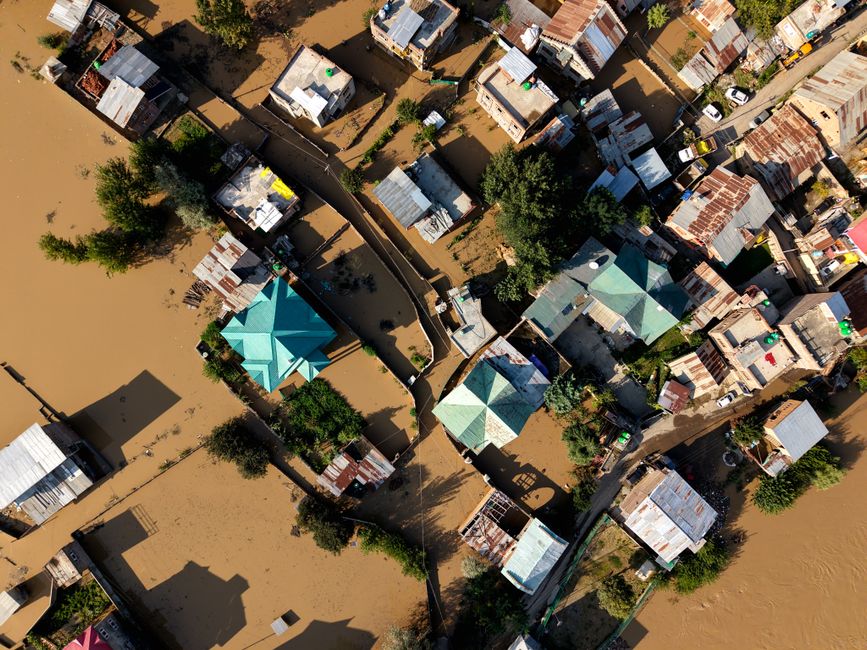
At least 13 people have died in Accra after heavy rains triggered severe flooding across the Ghanaian capital, with meteorologists warning that another storm system is expected to hit the city in the coming days. Emergency services have urged residents in low-lying neighbourhoods to relocate to higher ground or remain indoors until the weather improves.
Impact across the capital
The flooding swept through several densely populated districts of Accra, submerging homes, blocking major roads and disrupting power and water supplies in parts of the city. Local media reported that victims included people trapped by rising waters and others struck by collapsing structures. Images circulating on social media showed vehicles stranded on inundated streets and residents wading through waist-deep water as they attempted to salvage belongings from their homes.
Warnings of more rainfall
The Ghana Meteorological Agency has forecast additional downpours, raising concerns that already saturated ground and overflowing drainage systems will be unable to cope with further rainfall. Disaster response officials have been placed on alert, and authorities are coordinating with community leaders to identify safe relocation sites for displaced families.
A recurring crisis
Accra, home to several million people, is widely recognised as one of the West African cities most exposed to urban flooding, particularly during the annual rainy season. Years of rapid population growth, unplanned settlement expansion and inadequate drainage infrastructure have repeatedly left the capital vulnerable when heavy storms strike. Climate researchers have also linked the intensifying rainfall patterns to broader shifts in weather across the Gulf of Guinea region.
Calls for longer-term solutions
Civic groups and urban planners have long called for investment in modern drainage networks, improved early-warning systems and stricter enforcement of building regulations in flood-prone areas. The latest disaster is likely to renew debate over how the government balances the urgent humanitarian response with the structural changes needed to reduce the loss of life in future flooding events.
Rescue operations were continuing as authorities prepared for the next wave of rainfall, with officials warning residents to remain vigilant and avoid travel unless absolutely necessary.
Source: BBC News — read the original report.