FAO’s Blue Transformation Strategy Places Africa at the Heart of Global Aquatic Food Future
The Food and Agriculture Organization of the United Nations (FAO) is positioning Africa at the centre of its “Blue Transformation” agenda, a strategic framework that recognises water-based food systems as essential to addressing global hunger and malnutrition in the decades ahead. The initiative reflects a broader international shift toward harnessing the potential of oceans, rivers, and lakes to meet rising demand for protein and nutritious food.
Aquatic foods — including fish, shellfish, and aquatic plants — already supply a significant share of animal protein consumed worldwide, and demand is expected to climb as populations expand and pressure on land-based agriculture intensifies. The FAO has framed its Blue Transformation approach as a response to these pressures, calling on governments, development partners, and the private sector to invest in sustainable fisheries, expanded aquaculture, and improved governance of aquatic resources.
Why Africa matters
For Africa, the implications are considerable. The continent is home to vast inland water systems, thousands of kilometres of coastline along the Atlantic and Indian Oceans, and some of the world’s fastest-growing populations. Yet a large share of its fisheries and aquaculture potential remains underdeveloped, leaving millions of tonnes of potential food production unrealised each year. Development analysts note that closing this gap could meaningfully reshape nutrition outcomes and rural employment across many countries.
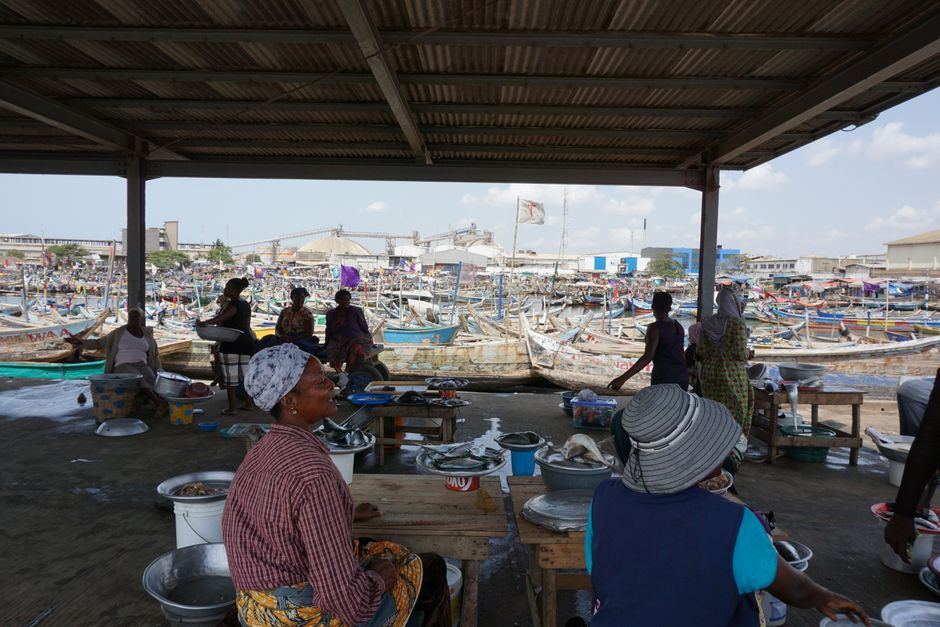
Small-scale fisheries remain the backbone of the sector across most of the continent, providing income and food security for millions of households. Strengthening these communities — through better access to finance, improved infrastructure, and modernised value chains — is widely seen as central to translating the Blue Transformation vision into tangible results.
Aquaculture as a growth frontier
Aquaculture, the farming of fish and other aquatic species, is widely regarded as the area with the greatest room for expansion in Africa. Although the continent currently contributes only a small share of global aquaculture output, several governments have begun investing in hatcheries, feed production, and smallholder farming models aimed at boosting domestic supply and reducing reliance on imports.
The FAO has encouraged African countries to adopt integrated policy frameworks that link aquaculture development with environmental protection, trade policy, and rural development planning. The organisation has also highlighted the importance of regional cooperation, particularly around shared water bodies and marine ecosystems that cross national borders.
Sustainability and climate pressures
The strategy is set against a backdrop of mounting environmental strain. African water resources face growing pressure from climate change, pollution, overfishing, and competing demands from agriculture, energy production, and urban development. Building resilient aquatic food systems will therefore require stronger governance, better data collection, and significant investment in research and infrastructure, according to the FAO.
Progress across the continent has been uneven. Some countries have made advances in regulating artisanal fisheries, expanding aquaculture training programmes, and protecting marine habitats, while others continue to grapple with limited institutional capacity, weak enforcement, and inadequate financing. International donors and development banks are expected to play a supporting role, though their engagement has varied.
A broader food security conversation
The Blue Transformation framing also reflects a wider evolution in how international organisations approach food security. Traditional strategies have focused predominantly on terrestrial agriculture — staple crops and livestock — but attention is increasingly turning to aquatic systems as climate change disrupts farming in many regions. Aquatic foods are often promoted as a relatively efficient source of protein, vitamins, and minerals, with a smaller environmental footprint than many forms of livestock production.
Whether the strategy delivers on its ambitions will depend on sustained political commitment, adequate financing, and the ability to balance economic development with environmental stewardship. What is clear, according to the FAO, is that any meaningful conversation about Africa’s future food security must increasingly take place around water.
Source: AllAfrica.