Renewed protests in Lagos as Makoko residents resist fresh evictions
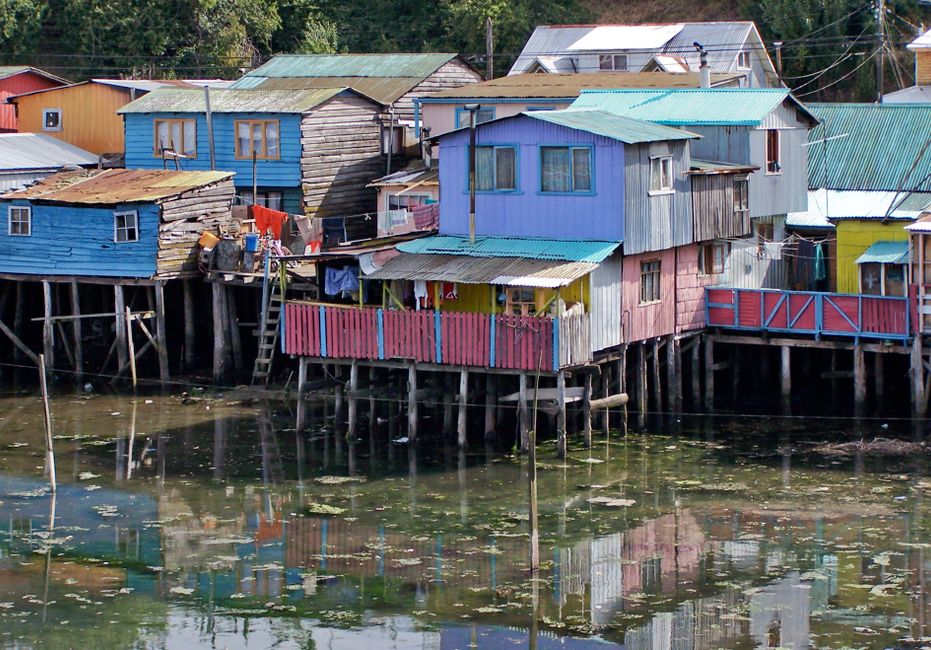
Residents of Makoko, one of Lagos’s most visible waterfront communities, have staged renewed protests against what they describe as another wave of evictions threatening homes built on stilts above the lagoon. Demonstrators say the latest round of displacement has added urgency to long-standing grievances about land tenure, lack of consultation, and the absence of alternative housing for those pushed out.
A community shaped by water
Makoko, often described as the “Venice of Africa,” has for generations drawn fisherfolk and traders who built their homes on the waterways of the Lagos Lagoon. The settlement, which sits within Africa’s most populous city, has long occupied an ambiguous legal status, with residents holding customary claims to the water rather than formal title deeds. That ambiguity, community leaders argue, has repeatedly left them exposed to demolition drives.
A recurring pattern of displacement
Across Lagos, waterfront communities say evictions have become a familiar cycle. When residents are removed, the cleared land is often redeveloped, and critics contend it is eventually sold to private investors rather than used for public housing. Locals interviewed in past reporting have described being given little notice before bulldozers arrived, and few have been offered resettlement options. The pattern has drawn criticism from housing rights groups who argue that the lack of due process falls short of international standards on adequate housing.
Demands for dialogue and recognition
Protesters are calling on Lagos State authorities to halt the demolitions and enter into structured negotiations with community representatives. They are also pressing for the formal recognition of Makoko’s role in the city’s cultural and economic life, noting that generations of residents have contributed to Lagos’s fishing economy and urban identity. Advocacy organisations have echoed those demands, urging the government to explore upgrading and in-situ development rather than wholesale removal.
A wider question for African megacities
The standoff in Makoko reflects a broader tension playing out across fast-growing African capitals, where informal settlements sit on land that has become increasingly valuable. How cities balance the rights of long-established communities against the pressures of urban development, flooding, and infrastructure expansion is emerging as a defining question for the continent’s urban future. For now, the residents of Makoko say they are not preparing to leave quietly.
Source: FRANCE 24 — read the original report.