Zanu PF Spokesperson Says Zimbabwe’s Economy Can Absorb Citizens Returning from South Africa
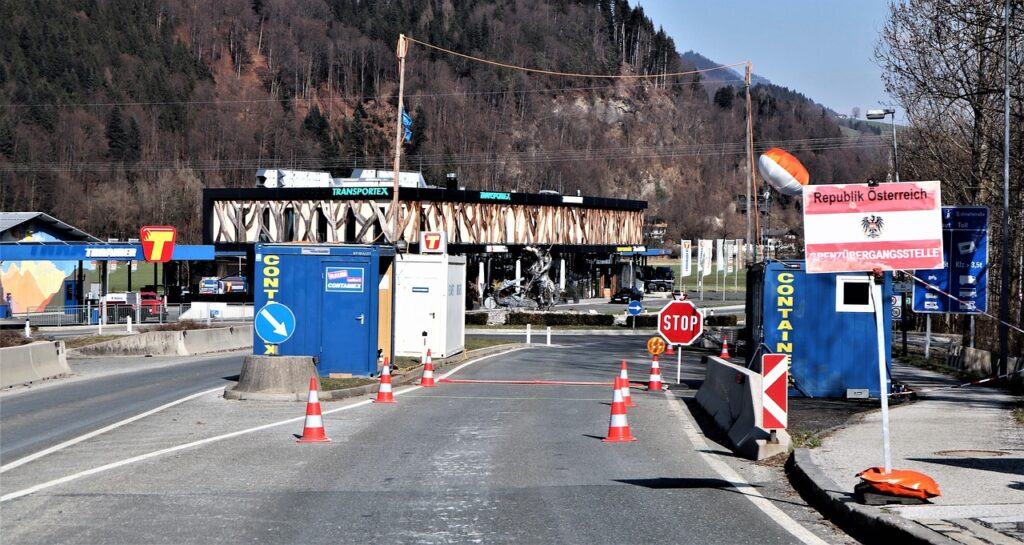
Zimbabwe’s ruling party has asserted that the country’s economy is in a strong enough position to accommodate citizens who are facing deportation or pressure to leave neighbouring South Africa, where many Zimbabweans have lived for years, often without legal status.
Speaking on behalf of the governing party, Zanu PF spokesperson Christopher Mutsvangwa said the economy is “doing very well” and is capable of absorbing nationals being “hounded out” of South Africa for being in the country illegally. His remarks come amid a renewed focus on immigration enforcement in South Africa, where the government has periodically pledged to address the large population of undocumented foreign nationals.
Long History of Cross-Border Migration
Migration between Zimbabwe and South Africa has been a defining feature of the two countries’ relations for more than two decades. Economic challenges in Zimbabwe, including periods of hyperinflation, high unemployment and currency instability, have driven significant emigration, with South Africa emerging as the primary destination for Zimbabweans seeking work and better living conditions. Many of those who crossed the border did so without obtaining the required permits, making them vulnerable to arrest and deportation.
South Africa’s Immigration Stance
South African authorities have, in recent years, intensified operations targeting undocumented immigrants, citing pressure on public services and high unemployment among citizens. The South African government has stressed that anyone found in the country illegally is subject to deportation under national immigration law. Zimbabwean nationals make up one of the largest groups of foreign-born residents in South Africa, a situation rooted in the economic crisis that gripped Zimbabwe in the late 2000s.
Economic Conditions in Zimbabwe
Mutsvangwa’s assessment of the economy contrasts with the experiences of many ordinary Zimbabweans, who continue to face high unemployment and limited access to foreign currency. However, the government has pointed to a period of relative stability since the introduction of a new local currency structure and the end of hyperinflation as evidence of recovery. Whether the formal economy can provide sufficient employment and social services for large numbers of returning migrants remains a matter of debate among economists and observers.
Implications for Regional Migration
Any large-scale return of Zimbabwean nationals from South Africa would have significant implications for both countries. For Zimbabwe, it could place additional strain on an economy already under pressure, even as officials project confidence in its capacity to grow. For South Africa, the issue continues to sit at the intersection of immigration policy, labour market demands and diplomatic relations with its northern neighbour. The comments from Mutsvangwa are likely to fuel an ongoing debate about the economic realities on both sides of the Limpopo River.
Source: New Zimbabwe / AllAfrica — read the original report.