Brussels rally urges EU to restrict trade with Israeli settlements ahead of summit
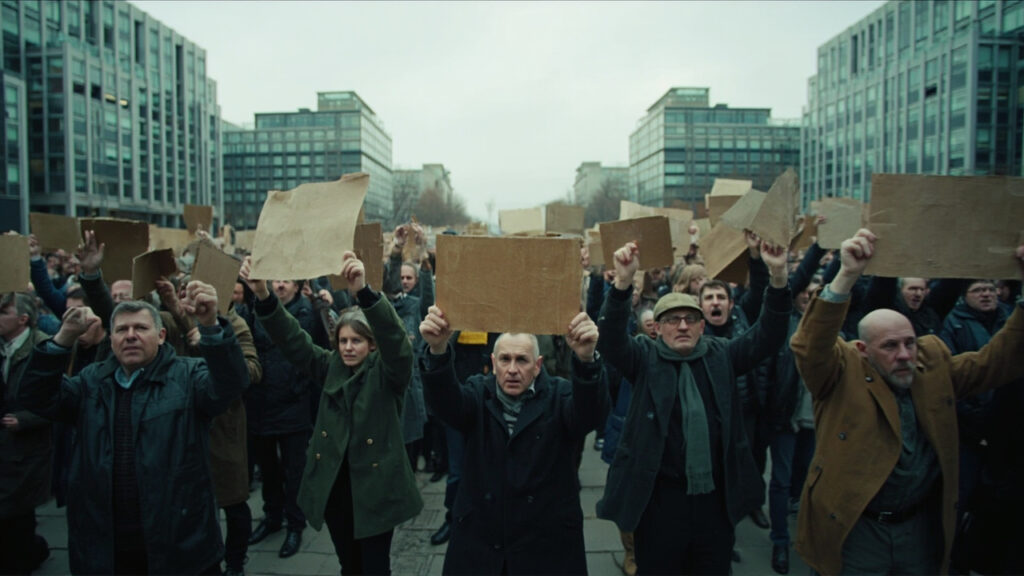
Hundreds of demonstrators gathered in central Brussels this week ahead of a European Union summit, urging member states to impose sanctions on Israel and to prohibit the import of goods produced in Israeli settlements. The protest, held on 17 June, reflected mounting European public pressure on EU leaders to take a firmer stance over settlement enterprise in occupied Palestinian territory.
A call for economic measures
Protesters carried banners and chanted slogans demanding that Brussels end trade relations with settlement producers, arguing that economic measures remain one of the few concrete levers available to European policymakers. Organisers called for an immediate ban on settlement goods entering the EU single market and for targeted financial measures against entities linked to construction activity in the occupied territories.
The rally came as EU heads of state and government prepared to meet at a summit where broader geopolitical issues were expected to dominate the agenda. Demonstrators sought to ensure that the long-running debate over how the bloc differentiates between Israel and the settlements would not be overlooked.
Long-standing European debate
EU institutions have for years maintained a policy of distinguishing between Israel and the territories occupied since 1967, requiring that settlement products be clearly labelled when exported to the European market. Member states have repeatedly expressed differing views on how far the bloc should go in restricting economic ties, and proposals for binding measures have stalled amid disagreements over scope and legal basis.
Advocacy groups argue that the existing framework has not prevented the continued expansion of settlement activity and that stronger action is needed. Critics of a harder line, however, have warned that sweeping sanctions could complicate the bloc’s diplomatic role and affect relations with broader Middle Eastern partners.
Public pressure on policymakers
The Brussels mobilisation was part of a wider wave of European civil society activism in recent years, with demonstrations staged in several European capitals calling for accountability over settlement expansion and the broader conflict. Participants in Wednesday’s protest framed their demands as a response to what they described as an insufficient response from European institutions to continued settlement building.
EU summits have occasionally produced statements expressing concern over settlement activity, but member states have so far refrained from imposing the kind of comprehensive trade restrictions demanded by Wednesday’s demonstrators. Whether the latest public push will translate into policy changes remains to be seen as leaders gather for their scheduled discussions.
Source: Africanews — read the original report.