Bleaching and Decline: How Dying Coral Reefs Threaten Africa’s Coastal Livelihoods
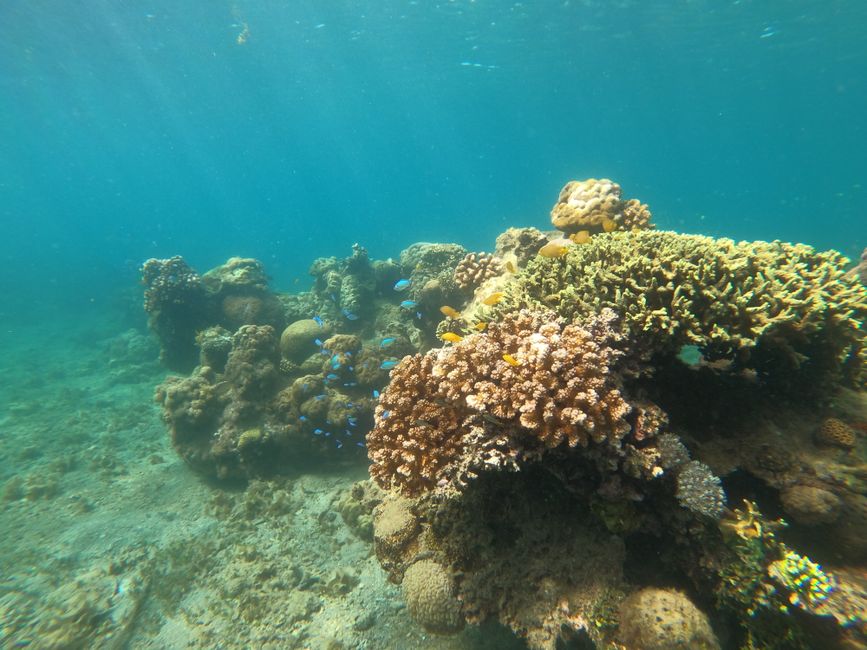
Along the East African coast, the vibrant ecosystems that have long sustained marine life and local economies are under mounting pressure. Coral reefs stretching from Kenya to Tanzania and beyond are showing signs of stress that scientists and local communities alike have warned about for years. The decline of these underwater habitats is no longer a distant environmental concern — it is reshaping daily life for the people who depend on them.
The Living Infrastructure of the Coast
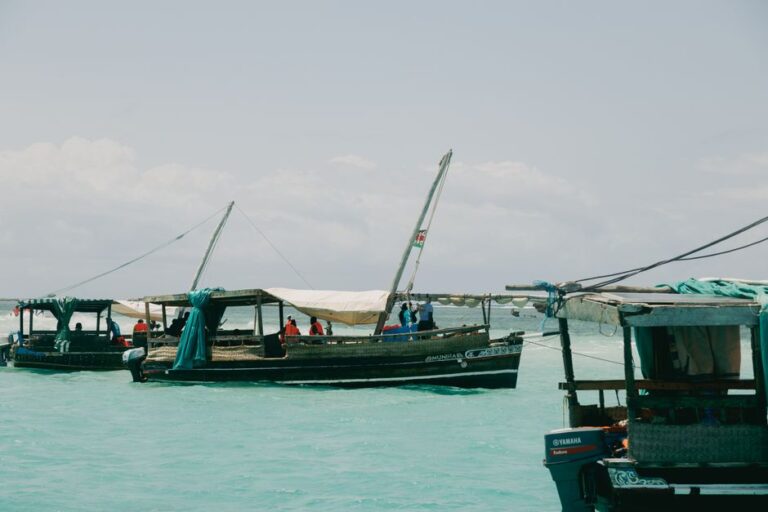
Coral reefs are often described as the rainforests of the sea, and for good reason. They occupy a small fraction of the ocean floor yet support an outsized share of marine biodiversity. Along the Kenyan coast, the reefs fringing Mombasa and the surrounding Kilifi region have historically provided spawning grounds for fish, natural breakwaters against storm surges, and a draw for divers and tourists from around the world. Local fishermen have relied on reef-adjacent waters for generations, while hoteliers and tour operators have built businesses around the promise of healthy, colorful marine landscapes.
A Slow-Moving Crisis
The pressures facing these ecosystems are layered. Rising sea temperatures linked to global climate patterns have triggered repeated coral bleaching events, in which stressed corals expel the symbiotic algae that give them color and nourishment. When bleaching is prolonged, corals can starve and die, leaving behind skeletal structures that slowly crumble. In addition, pollution from coastal development, untreated sewage, agricultural runoff, and overfishing has further weakened reef resilience. Plastic debris and sedimentation from land-based activities smother delicate polyps, while destructive fishing practices can strip reefs of the biological balance they need to recover.
Communities on the Front Line
The consequences of reef loss are felt most acutely in the communities built around them. In neighborhoods stretching along the Mombasa coastline, fishermen have reported changing catch patterns, with some species becoming harder to find in traditional fishing grounds. Tourism operators have also noted the impact of bleached or dead reefs on the diving and snorkeling experience, which in turn affects employment in coastal towns where hospitality is a major employer. Beyond economics, the protective function of reefs has become harder to ignore. Healthy reefs absorb a significant share of wave energy before it reaches the shore; without them, coastal infrastructure, homes, and beaches face greater exposure to erosion and storm damage.
Conservation and the Path Forward
Responses have come from a mix of government agencies, marine researchers, NGOs, and local community groups. Marine protected areas along the Kenyan coast have been expanded and reorganized in recent years, with co-management arrangements that involve fishing communities in monitoring and enforcement. Pilot projects focused on coral restoration, including efforts to grow heat-tolerant coral fragments and transplant them onto degraded sections of reef, are underway in several locations. Education campaigns in coastal schools and among fishing cooperatives aim to reduce destructive practices and build broader awareness of the link between reef health and human well-being.
None of these efforts will reverse decades of damage on their own, and the long-term survival of Africa’s coral reefs remains closely tied to global action on climate change. But in places like Mombasa, where the sea is both a livelihood and an identity, the work of protecting what remains is increasingly seen not as an environmental luxury but as a practical necessity for the coastal communities whose futures depend on it.
Source: AllAfrica — read the original report.