Africa’s Ocean Future Demands Action Beyond Pledges
A Continent Turned Toward the Sea
For decades, Africa’s relationship with the ocean has been defined largely by what flows outward: fish catches, shipping lanes, and offshore energy reserves. Today, a shift is underway, one that reframes the continent’s coastline not merely as a resource frontier but as a living system that sustains millions of livelihoods, regulates climate patterns, and holds untapped potential for economic renewal.
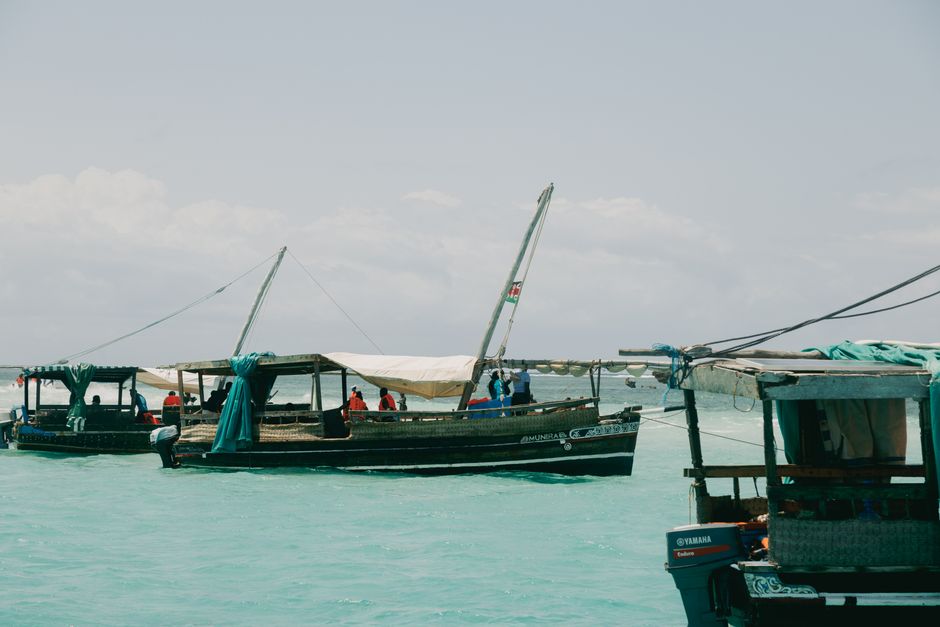
Along the Indian Ocean seaboard, communities have long understood what policymakers are only beginning to articulate. In coastal Kenya, the rhythms of daily life are still shaped by tidal cycles, seasonal winds, and the behaviour of fish stocks that stretch from Lamu to the Tanzanian border. Small-scale fisheries support an estimated population comparable to the formal workforce of several mid-sized African economies, according to regional development assessments.
The Promise of the Blue Economy
The term “blue economy” has gained traction across the African Union and among individual states seeking to diversify away from land-based extraction. Coastal nations are pursuing strategies that link marine protection to job creation, tourism revenue, and food security. Aquaculture, sustainable shipping, and marine biotechnology are among the sectors being explored.
Yet the gap between ambition and implementation remains wide. Many national ocean policies are still in draft form, and enforcement of existing marine protected areas is uneven. Researchers and practitioners have warned that without sustained investment, regulatory clarity, and meaningful engagement with coastal communities, the blue economy risks becoming another phrase that gathers dust on conference declarations.
Communities at the Centre
Perhaps the most important lesson emerging from places like Mombasa and other coastal hubs is that conservation cannot be imposed from above. Fishers, boat operators, and local traders possess generations of knowledge about the waters they depend on. Programmes that pair scientific monitoring with community-led management have shown promising results, including in mangrove restoration and coral reef protection efforts supported by international partners.
Women’s cooperatives in particular have become central actors in small-scale fisheries governance, often filling the administrative and financial gaps left by under-resourced state agencies. Their inclusion is increasingly viewed not as a token gesture but as a practical necessity for any policy that aims to endure.
Toward a Credible Path Forward
Africa’s ocean moment will be judged not by the declarations signed at international summits but by the health of its fish stocks, the resilience of its mangroves, and the income of the families who depend on both. Credible progress will require transparent monitoring, predictable funding, and the political will to enforce regulations that sometimes run against powerful commercial interests.
The stakes extend beyond any single coastline. Ocean warming, acidification, and overfishing are reshaping marine systems worldwide, and Africa’s waters are not immune. What the continent does in the coming years, whether it translates its geographic advantage into lasting stewardship or lets the current moment pass, will shape the lives of hundreds of millions for generations to come.
Source: AllAfrica — read the original report.