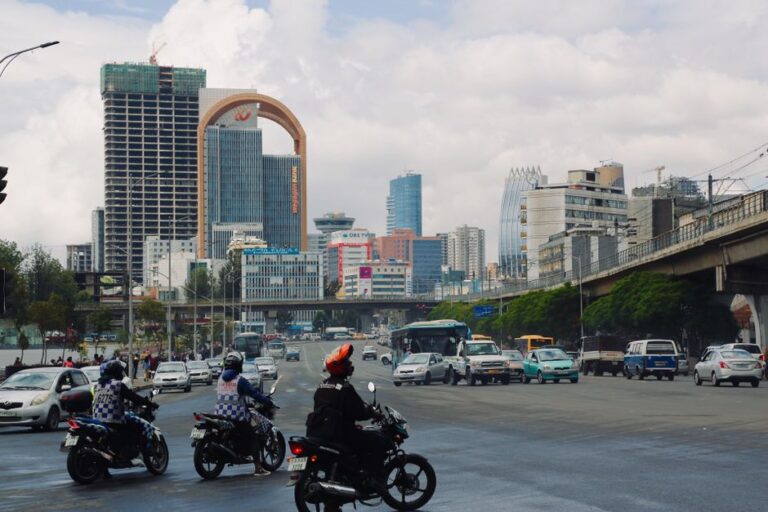
Inside South Africa Food Price Paradox: Why Families in Mthatha Pay More Than Cape Town
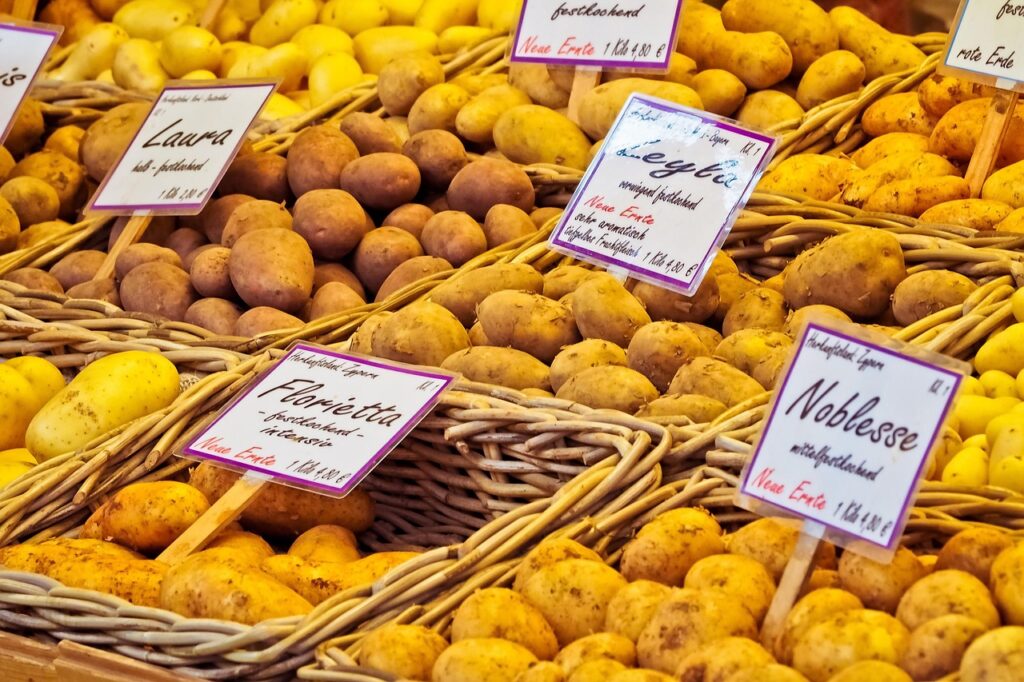
In the Eastern Cape town of Mthatha, a cabbage costs more than it does in the capital. A kilogram of tomatoes — sourced from farms less than 200 kilometres away — carries a price tag that would not look out of place in an upscale supermarket in the southern suburbs of Cape Town, where average incomes are nearly three times higher. This is not a story about scarcity. There is enough food. The problem is structural, and it has been decades in the making.
A new analysis of food pricing data across South Africa major urban centres has laid bare a paradox that has long been observed anecdotally by the people who live it: communities in historically marginalised areas are paying more for basic foodstuffs than their counterparts in wealthier parts of the country. The gap is not minor — in some categories, it exceeds 40 percent. And it persists even when supply chains are functioning normally, which means the explanation lies not in logistics alone but in the relationships between markets, infrastructure, and the way economic power has been spatially organised in South Africa over the course of a century.
The historical roots of the disparity run deep. Under apartheid, food distribution networks were designed to service white urban areas while peripheral communities — townships and rural towns — were left to rely on small traders operating through less efficient supply chains. After 1994, the democratic government invested heavily in expanding road networks and logistics infrastructure in many areas, but the gains were uneven, and in the former homelands of the Eastern Cape and Limpopo, the legacy of that original neglect proved remarkably persistent.
What the data now shows is that a combination of factors has conspired to keep food prices high in exactly the places where household incomes are lowest. Transport costs from the major wholesale markets in Gauteng and the Western Cape are passed on to consumers in the Eastern Cape. The absence of large supermarket chains in many townships means residents rely on independent retailers who cannot achieve the economies of scale that characterise the national chains. And the relative isolation of rural and peri-urban markets means that price comparisons — the mechanism that normally drives convergence — happen slowly and imperfectly.
The cumulative effect is a system that is working as designed, even if nobody intended it to work this way. Food is moving through channels that were shaped by apartheid spatial logic, and even a quarter-century of democratic governance has not been enough to break that pattern. The infrastructure is there, but the distribution system is designed for a different country, said one researcher who has spent years studying food access in the Eastern Cape. Until you change who owns the wholesale infrastructure and how it connects to rural retail, you will keep paying this premium.
For families in Mthatha, the practical consequence is a food budget that consumes a far larger share of household income than it would in a city like Cape Town or Johannesburg. Families that are already stretched by high unemployment and limited social mobility are spending a disproportionate share of what they earn on basic nutrition. The health consequences — particularly for children in the critical developmental window between birth and age five — are well documented and represent a significant public health challenge for the province.
Civil society organisations working on food security in the Eastern Cape say the solution requires more than price monitoring or food parcel distributions. It requires deliberate investment in wholesale infrastructure in underserved areas, support for community-owned retail cooperatives, and a serious reckoning with the spatial legacy of apartheid-era economic policy. Without that, the paradox will persist — and families in Mthatha will keep paying more for food that costs less to produce, simply because of where they happen to live.