Gambia President Barrow Reshapes Military Leadership as Abuse Allegations Simmer
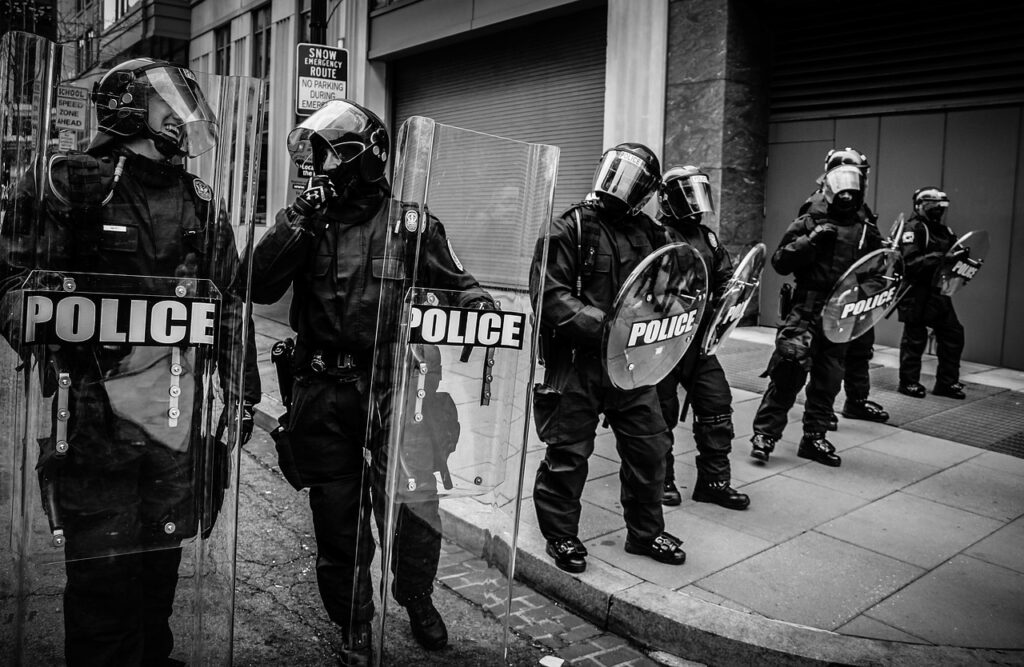
President Adama Barrow of The Gambia has appointed Major General Ousman Gomez as acting army chief, filling a vacancy created by the resignation of the previous chief of defence staff amid ongoing allegations of abuse within the armed forces. The appointment, announced without prior public notice, marks the most significant reshuffle of Gambia military leadership in years and comes at a moment when the country is attempting to balance its democratic transition against persistent concerns about accountability within security institutions.
The outgoing chief of defence staff had faced mounting pressure from civil society organisations and international partners who documented multiple cases of soldiers accused of brutality against civilians, particularly during the period of political tension that preceded Barrow re-election in 2021. Human rights groups say the failure to act on those allegations had undermined confidence in the government stated commitment to reforming the security sector.
Major General Gomez, whose background includes regional peacekeeping experience and training partnerships with Western militaries, is seen as someone who could potentially reset the relationship between the army and the civilian authorities. He takes over at a moment when The Gambia is also navigating a complex regional environment — with neighbours in the Sahel undergoing political upheaval and an influx of returning migrants placing new pressures on coastal communities.
Regional observers note that the timing of the appointment is significant. The resignation of the previous chief came just weeks after a delegation from the Economic Community of West African States pressed Barrow government on the pace of security sector reform. The appointment of Gomez — who has a reputation for operational discipline — may be an attempt to demonstrate responsiveness to those concerns while retaining Barrow own grip on the security architecture.
Community organisations have responded with cautious optimism. Several human rights advocates who track military accountability say the appointment will mean little without an independent oversight mechanism to handle complaints against soldiers. An army chief can change the culture at the top, but if the system for reporting abuses does not change at the bottom, we will be having this conversation again in two years, said one analyst who works closely with victims groups in Banjul.
The appointment also comes against a backdrop of broader engagement between The Gambia and its West African neighbours. President Barrow held closed-door talks with his Senegalese counterpart in Banjul last week, a meeting that observers say was focused on border security, joint maritime patrols, and the shared challenge of managing irregular migration. The new army chief will be expected to engage with those regional partnerships while also addressing domestic expectations.
For now, the immediate question is whether Major General Gomez will move quickly to establish himself as a reformer or settle into the cautious pragmatism that has characterised much of the Barrow era approach to security governance. The next few months — and how the army responds to any new allegations of abuse — will offer the first real evidence of what the change in leadership actually means.