World Bank Warns Iran Conflict Is Forcing More African Nations to Seek Emergency Funding as Fiscal Space Shrivels
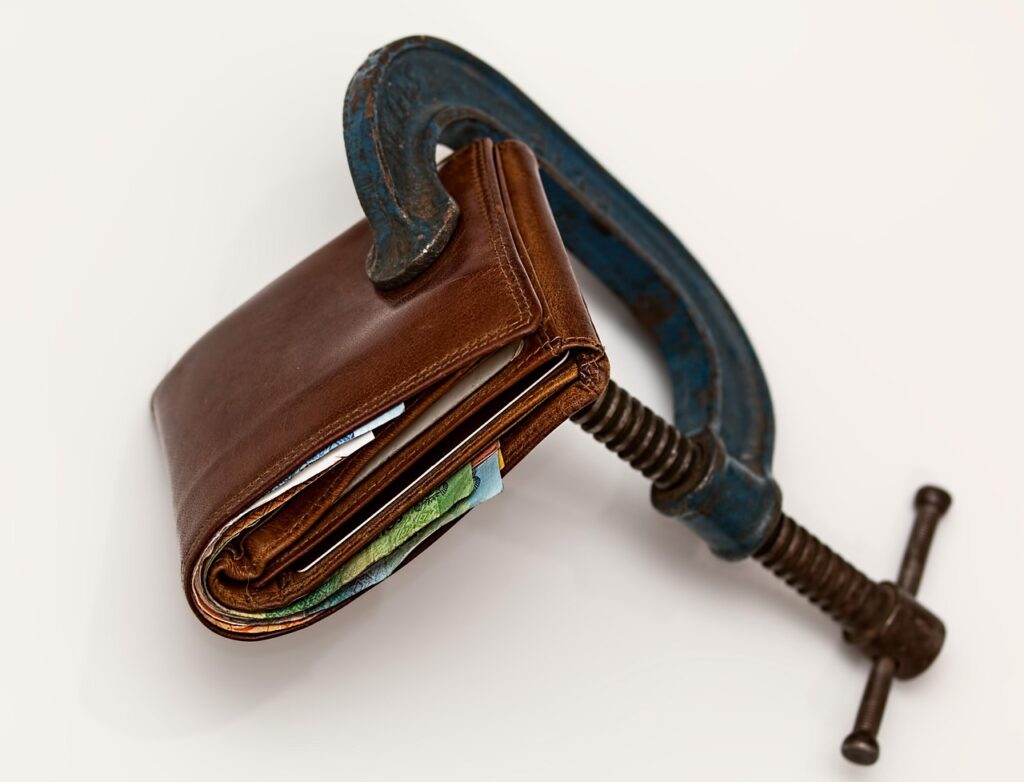
The escalating conflict involving Iran has put more African nations on a path to seeking emergency financing from the World Bank and bilateral creditors, according to a confidential briefing document seen by Reuters and confirmed by three senior African finance ministry officials. The warning marks a significant escalation in the economic toll of the Middle Eastern instability on a continent still recovering from pandemic-era debt burdens.
The briefing, described by one official as stark in its assessment, projects that at least eight African nations will see their import bills rise by more than 15 percent in the second half of 2026 due to oil price volatility triggered by the Iran conflict. Three of those nations — which the document does not name — will likely require emergency balance-of-payments support within the current fiscal year.
We are watching the oil price shock very carefully, said a senior Africa economist at the World Bank who requested anonymity because the document has not been officially released. The margin for buffer is much smaller than people thank. Many governments are one bad quarter away from a debt crisis they cannot finance their way out of.
The estimate follows an earlier World Bank warning that the Iran conflict could subtract between 0.4 and 0.9 percentage points from Africa aggregate GDP growth in 2026. Multiple African economies are already dealing with the fallout from aid freezes imposed by Western governments, currency pressures against the US dollar, and climate-related shocks to agricultural output. The Iran-linked oil shock arrives at the worst possible time.
Among the countries most exposed are Nigeria, which relies on oil revenues for more than half of government budget revenue, and Kenya, where the Finance Bill 2026 has already triggered widespread protests from manufacturers warning of a cost-of-living crisis. Ghana, which is currently negotiating a new IMF programme, could see its debt sustainability calculations fundamentally reworked by a sustained period of elevated oil prices.
The International Monetary Fund separately warned that the Middle East conflict was adding to pre-existing vulnerabilities in emerging markets globally, with sub-Saharan Africa bearing a disproportionate share of the adjustment cost. The IMF internal assessments show that at least six sub-Saharan African nations will see their debt-to-GDP ratios deteriorate by more than five percentage points if oil prices remain above 00 per barrel through the third quarter.
Several African nations have accelerated discussions with the African Development Bank about emergency credit facilities. The AfDB seven billion dollar aviation transformation programme was already structured before the Iran conflict escalated, but sources say the bank is now considering whether to create a contingency facility for nations facing oil import shocks.
Egypt, which has been struggling with a foreign exchange shortage for two years, is considered particularly vulnerable. The country dollar-denominated debt has been under sustained pressure, and an oil price spike driven by Middle East instability could further erode the value of the pound and make import financing significantly more expensive.
China, which has been Africa largest bilateral creditor, has not yet announced any new emergency lending facilities in response to the Iran situation. Chinese loan agreements with African nations — many of them structured in dollars — contain provisions that could make debt service more expensive for borrowers if the dollar strengthens against the yuan.
African finance ministers are expected to raise the fiscal emergency concern at the G20 finance track in Johannesburg later this month. The continent collective voice at the table matters, officials say, because the alternative — a wave of sovereign defaults — would be far more costly for global financial stability than advance action now.
For ordinary Africans, the oil price shock will likely translate into higher transport costs, increased prices for imported food and medicine, and further pressure on already strained household budgets. In Nigeria, where fuel subsidy removal already triggered widespread protests in May, the prospect of further fuel price increases has trade unions warning of a return to street demonstrations.
The World Bank document calls for a coordinated international response and suggests that the G20 new Common Framework for debt treatment — which has so far helped only a handful of African nations — needs to be expanded and accelerated. We cannot afford another year of slow-moving discussion, the document states. The geography of fiscal emergency has changed, and it demands a new sense of urgency.