Malawi Fuel Crisis Brings the Nation to a Standstill as Prices Double Within Six Months
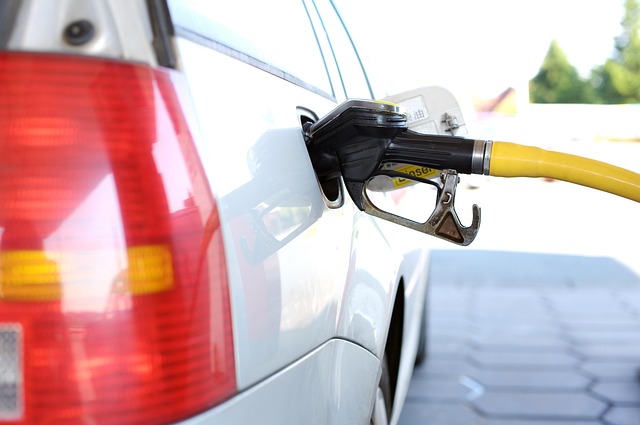
When Elias Phiri drove into a Lilongwe petrol station last Tuesday, he expected to wait twenty minutes. He ended up spending four hours.
“I left home at six in the morning. By the time I got fuel, it was almost ten,” the 44-year-old minibus driver told local media, his voice heavy with exhaustion. “The tank was nearly empty when I arrived. Now it is nearly empty again, and I do not know when I can come back.”
Phiri’s experience is replicated across Malawi on a daily basis. The country is navigating its worst fuel shortage in a decade, one that has doubled pump prices since November and brought the transportation sector to its knees. The crisis has exposed a government struggling to manage its foreign exchange reserves while keeping the economy running.
A Crisis Months in the Making
Malawi’s fuel troubles did not emerge overnight. The country depends almost entirely on imported petroleum products, buying the majority of its diesel and petrol from Tanzania’s Dar es Salaam port. That supply chain, always fragile, began to fray when the Tanzanian kwacha strengthened against the dollar and regional shipping costs climbed steeply. By February, the state-owned Malawi Oil Company was struggling to secure enough foreign exchange to maintain normal import volumes.
The government’s response has been to raise prices, a move that offered short-term relief to importers but hammered ordinary citizens. Diesel now costs roughly twice what it did six months ago. Petrol has followed the same trajectory. For a country where the minimum wage hovers around 150,000 kwacha per month, roughly $80, a full tank of fuel for a family car can consume a significant portion of a worker’s entire monthly salary.
“The price increases are necessary given the exchange rate pressures, but they do not solve the underlying problem,” said Dr. Chimwemwe Kalua, an economist at the University of Malawi. “We are essentially importing our vulnerability. As long as we rely on foreign fuel, we will remain exposed to these shocks.”
Transport Sector at Breaking Point
The impact on transportation has been immediate and brutal. Malawian bus companies, many of which run on thin margins, have raised fares by between 40 and 60 percent in response to fuel cost increases. Commuters who once travelled daily to work now ration their journeys, choosing which days to make the trip and which to skip. In rural areas, where medical clinics depend on fuel to transport vaccines and supplies, the situation has become a public health concern.
The agricultural sector, Malawi’s economic backbone, has suffered accordingly. Fertiliser delivery has been delayed in several districts, and some cooperatives have reported that their members cannot afford to transport produce to market. Harvested maize is rotting beside roads in parts of the Central region because the cost of moving it exceeds the price buyers are willing to pay.
The government has acknowledged the severity of the situation, with the Ministry of Energy announcing emergency measures to prioritise fuel supplies for hospitals, schools, and essential government services. But critics say the measures have been too little and too slow, leaving ordinary people to bear the brunt of a crisis they did nothing to cause.
A Pattern of Vulnerability
Malawi’s fuel crisis reflects a broader pattern across Africa’s import-dependent nations. As global oil prices remain elevated and the dollar strengthens against most African currencies, countries with limited foreign exchange reserves find themselves squeezed between competing demands. Paying for fuel means less money for healthcare, education, and infrastructure. Not paying for fuel means empty pumps and grounded vehicles.
The International Monetary Fund has indicated that several African nations will require emergency financing facilities as the combined pressure of oil import costs and post-pandemic debt servicing stretches their balance sheets. Malawi, whose external debt has risen sharply since 2020, is among the most exposed.
For now, drivers like Elias Phiri are left to navigate a system that seems designed to frustrate. The queue at the petrol station has become a daily fact of life, a place where hours are lost and patience is tested. “We are just surviving,” Phiri said. “Every day is a question of whether we can make it to the next.”