

Africa Rushes to Secure Its Share of the Global Critical Minerals Rush
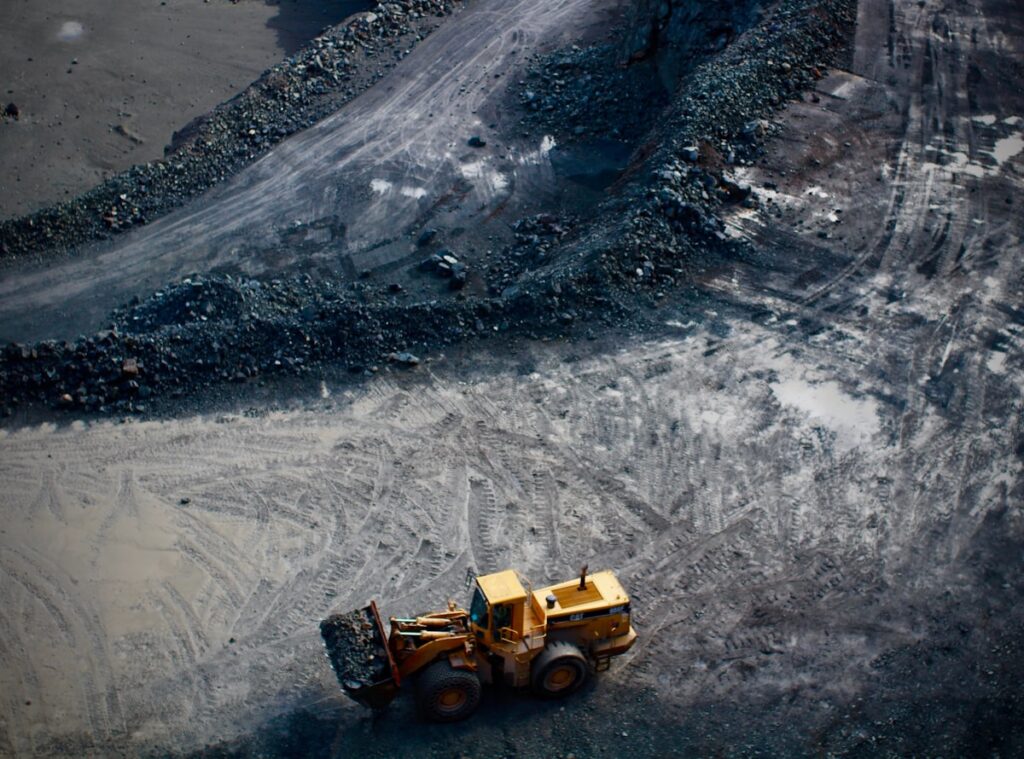
ADDIS ABABA — Africa finds itself at the centre of the most intensive global scramble for natural resources in a century — and this time, the continent’s leaders say they are determined not to repeat the mistakes of the past. Across the continent, governments are rewriting mining laws, demanding local processing, and pushing back against external pressure to open up deposits that were previously treated as fair game for foreign corporations operating with minimal oversight.
The trigger is the global energy transition. As the world rushes to build electric vehicles, grid-scale battery storage, solar panels, and wind turbines, the minerals required for these technologies — cobalt, lithium, manganese, graphite, nickel, and a dozen rarer elements — have become strategic assets of the first order. And the largest known deposits of almost all of them lie beneath African soil.
A landmark report published by African Business magazine in May 2026 laid out the scale of the opportunity with stark clarity: the continent holds 48 percent of global cobalt reserves, 22 percent of graphite, and dominant shares of manganese and rare earth elements essential to modern technology. Yet for decades, African nations captured only a fraction of the value generated by these resources, exporting raw ore while the high-value processing, manufacturing, and technology development happened elsewhere.
That model is now under assault from all sides simultaneously.
New Laws, New Demands
In the Democratic Republic of Congo — which produces more cobalt than any other country on earth — the government of President Félix Tshisekedi has been quietly renegotiating the terms of large-scale mining contracts to ensure greater local revenue retention. In Zambia, President Reuben Phiri has threatened to suspend exports of unprocessed copper ore by 2027 unless smelting capacity is built domestically. In Zimbabwe, a ban on the export of raw lithium has been in effect since early 2025, drawing howls of protest from international mining companies but earning broad popular support at home.
“We are not against investment,” said Dr. Grace Kabwe, Zambia’s Minister of Mines and Minerals Development. “We are against the arrangement where Africa bears the environmental cost of extraction, provides the jobs, and then watches the wealth leave our borders. That equation must change.”
Similar shifts are underway across the continent. In Ghana, the government of President John Dramani Mahama has introduced a new mining code that requires foreign operators to list on the Ghana Stock Exchange within three years of commencing production and to ensure that at least 40 percent of processing is done domestically. In South Africa, the Department of Mineral Resources is working with mining companies on a framework that would see critical mineral value chains developed within the country rather than exported as raw ore.
The Chinese Factor
China remains the dominant player in African mining, controlling large portions of the cobalt and rare earth supply chains through a combination of direct investment, financing agreements, and processing infrastructure. Beijing has been careful to position itself as a long-term partner rather than an extractive power — a narrative that has found purchase in several African capitals partly because Chinese investment comes without the political conditions attached to Western development finance.
But even Chinese partnerships are now subject to scrutiny. In Zambia, opposition politicians have raised questions about the terms of Chinese financing for the Kafue Gorge Hydropower project, arguing that the interest rates and repayment schedules amount to a new form of debt dependency. In Kenya, a parliamentary inquiry is examining the Terms of Reference for a Chinese-backed rare earth mining operation in Kwale County, with particular focus on revenue-sharing arrangements.
The Western Push — and Pushback
The United States has been the most aggressive in seeking bilateral minerals deals. Under the Trump administration’s “America First” trade doctrine, Washington has pursued a string of agreements designed to lock African nations into supply commitments that prioritise US buyers. Critics describe the approach as transactional and coercive.
“The message from Washington has essentially been: sign away your minerals or face consequences,” said Professor Alphonso Kipchoge of the University of Nairobi’s School of International Studies. “That is not partnership. That is a shakedown.”
Several African heads of state pushed back in strong terms at the Africa CEO Forum in Kigali in May 2026. Nigeria’s Bola Ahmed Tinubu used the platform to announce his country’s refusal to sign any minerals agreement that does not include mandatory local processing. Rwanda’s Paul Kagame was more blunt still, telling delegates that Africa would not “trade its dignity for access to markets that are only interested in what we can dig out of the ground.”
Building Something From Something
For all the political momentum, the practical challenges of value addition in African mining are immense. Processing minerals requires energy, capital, technical expertise, and infrastructure — all areas where the continent has historically lagged. Cobalt smelting, for example, demands sophisticated chemical engineering capacity that does not currently exist at scale in the DRC, despite the country producing the majority of the world’s supply.
But progress is being made. The African Development Bank has committed $4 billion to establishing processing hubs across the continent, targeting cobalt, copper, and battery-grade manganese. South Africa’s Mintek, one of the world’s leading mineral processing research institutions, has signed technology transfer agreements with counterpart institutes in Zambia, Zimbabwe, and the DRC. And a new pan-African mining research consortium, headquartered in Addis Ababa, is working to build the human capital needed to keep more of the value chain on the continent.
“Africa does not need permission to benefit from its own resources,” said Dr. Ibrahim Traoré, Acting Director of the African Minerals Development Centre. “What we need is the will to demand fair terms, the knowledge to process our own materials, and the unity to present a common front to external pressure. All three of those things are now coming together in a way I have not seen in my career.”
The global scramble for African minerals is only accelerating. Whether the continent manages to turn that pressure into durable prosperity will depend on decisions being made in boardrooms and government offices right now — in Africa, not abroad.
More From Politics & Governance

Former Senegalese leader Sall’s UN Secretary-General bid falters after straw poll

U.S. Senators Press State Department to Address Ebola’s Toll on Women in East Africa
